What Does Code P1746 Mean?
DTC P1746 indicates an Open Circuit in the electrical system for Pressure Control Solenoid “A”. In modern automatic transmissions, the Powertrain Control Module (PCM) or Transmission Control Module (TCM) utilizes various pressure control solenoids (PCS) to precisely regulate hydraulic line pressure, which is critical for smooth gear engagement, shift quality, and efficient torque converter lock-up. Pressure Control Solenoid “A” is one such solenoid responsible for modulating the hydraulic pressure within the transmission system based on input signals from the PCM/TCM. When the control module detects an unexpected high resistance or an absence of electrical continuity (an open circuit) in the dedicated circuit for this solenoid, it interprets this as a fault, setting the P1746 code. This means the solenoid is not receiving or responding to the electrical commands as expected, thus preventing it from accurately controlling hydraulic pressure.
Common Symptoms
- Malfunction Indicator Lamp (MIL) illumination: The “Check Engine” light will be illuminated on the dashboard.
- Harsh or erratic shifting: The transmission may engage gears abruptly, shift roughly, or experience delayed shifts due to improper line pressure regulation.
- Transmission entering “limp-home” mode: To prevent damage, the transmission may revert to a default safe mode, often limiting available gears (e.g., stuck in 3rd or 4th gear) and reducing overall vehicle performance.
- Reduced fuel economy: Inconsistent shifting and improper torque converter operation can lead to decreased fuel efficiency.
- Possible slipping or flaring between gears: While an open circuit typically leads to a loss of pressure control, in some scenarios, it might manifest as slipping if the default pressure is insufficient or fluctuating.
- Vehicle may not move from a stop: In severe cases where line pressure is critically low or uncontrolled, the transmission may not be able to engage any forward or reverse gears effectively.
What Causes the Code P1746?
- Faulty Pressure Control Solenoid “A”: The solenoid itself may have an internal open circuit, meaning the coil windings have failed or broken, preventing current flow.
- Wiring harness issues: An open circuit (break, fraying, corrosion, or short to ground) in the wiring leading to or from Pressure Control Solenoid “A”, preventing the PCM/TCM from communicating with or powering the solenoid.
- Damaged electrical connector: Loose, corroded, or damaged pins within the electrical connector at the solenoid or along the transmission wiring harness, leading to an intermittent or complete loss of electrical continuity.
- Internal transmission fluid contamination or debris: While less direct, severe fluid contamination can sometimes cause solenoid malfunction, though an open circuit is more often electrical.
- Failed Transmission Control Module (TCM) or Powertrain Control Module (PCM): Although less common, an internal fault within the control module itself could prevent it from correctly supplying power or monitoring the solenoid circuit.
How to Diagnose and Troubleshoot
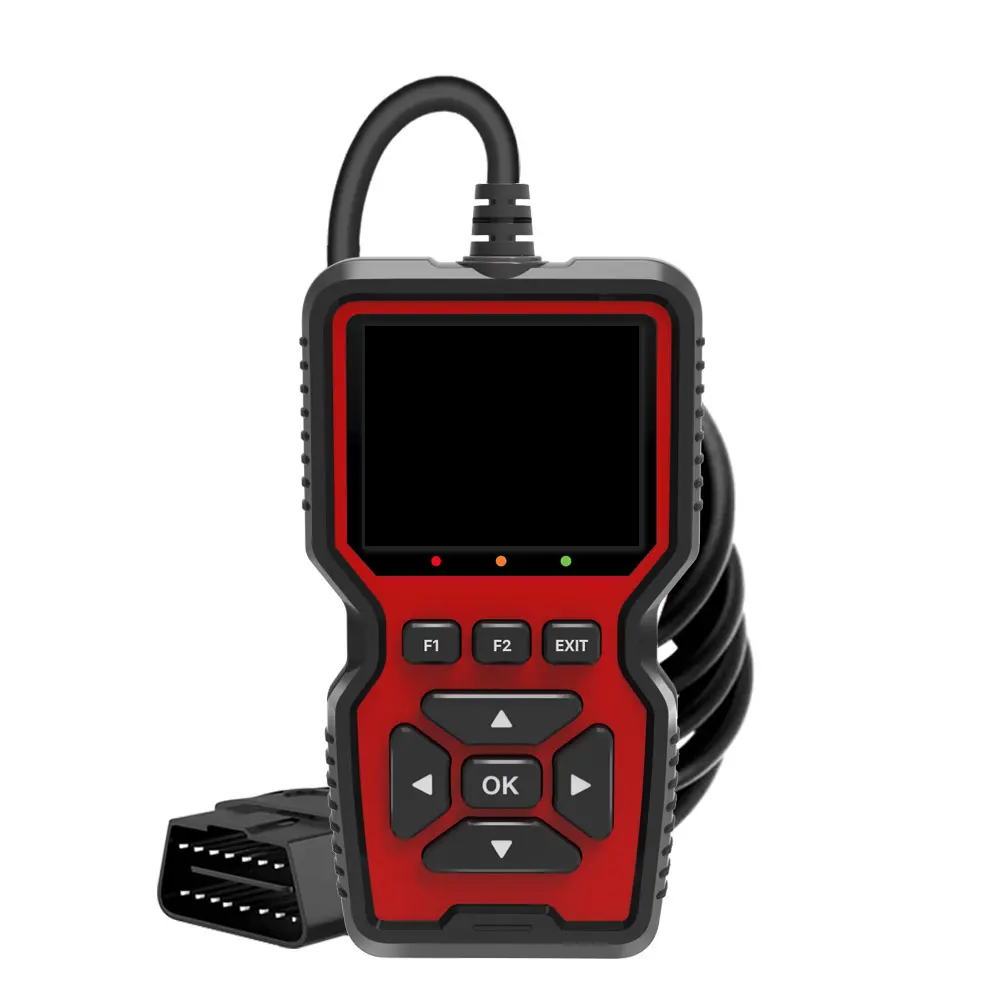
Diagnosis of P1746 requires a systematic approach, often involving a digital multimeter (DMM) and a capable OBD-II scanner.
- Retrieve and Document Freeze Frame Data: Use an OBD-II scanner to confirm P1746 and record all associated freeze frame data. This data provides a snapshot of operating conditions (engine RPM, vehicle speed, transmission temperature, gear position, etc.) at the moment the fault occurred, which can be invaluable for replication or contextual understanding.
- Visual Inspection of Wiring and Connectors:
- Begin by visually inspecting the entire wiring harness leading to the transmission, paying close attention to the area around the transmission housing. Look for any signs of chafing, cuts, corrosion, or pinch points that could cause an open circuit.
- Locate the electrical connector for Pressure Control Solenoid “A” (which often requires dropping the transmission oil pan for internal solenoids). Inspect the connector for damage, corrosion, or loose terminals. Ensure it is securely seated.
- Check for any signs of transmission fluid leaks, which can contaminate electrical connections and accelerate corrosion.
- Resistance Test of Pressure Control Solenoid “A”:
- With the vehicle safely raised and the transmission pan (if necessary) removed, disconnect the electrical connector from Pressure Control Solenoid “A”.
- Using a DMM set to ohms (Ω), measure the resistance across the two terminals of the solenoid itself.
- Compare this reading to the manufacturer’s specifications for your specific vehicle and transmission model (refer to a service manual). A typical range might be 5-20 ohms, but this varies. An open circuit will be indicated by an “OL” (over limit) or infinite resistance reading on the DMM. If infinite resistance is measured, the solenoid is faulty.
- Continuity Test of Solenoid Circuit Wiring:
- If the solenoid tests good, the next step is to check the wiring harness. This typically involves disconnecting both the solenoid connector and the appropriate PCM/TCM connector (consult a wiring diagram for pin-out).
- Using the DMM, check for continuity (resistance) between the corresponding terminals of the solenoid harness connector and the PCM/TCM harness connector. You should measure very low resistance (close to 0 ohms). An “OL” reading indicates an open circuit in the wiring.
- While performing continuity checks, also check for shorts to ground (between each wire and chassis ground) and shorts to power (between each wire and a known B+ source, if applicable).
- Power and Ground Supply Check (if applicable): For externally mounted solenoids, or if the internal wiring can be safely back-probed, verify proper voltage and ground supply at the solenoid connector when commanded on by the control module (this may require a scan tool with bi-directional control or a oscilloscope).
Recommended Repairs and Solutions
- Replace Pressure Control Solenoid “A”: If the resistance test indicates an open circuit within the solenoid (infinite resistance), it must be replaced. This typically involves dropping the transmission oil pan, draining the fluid, and potentially removing the valve body to access the solenoid. Always use an OEM or reputable aftermarket replacement part.
- Repair or Replace Wiring Harness: If an open circuit is identified in the wiring harness, carefully repair the damaged section using proper soldering techniques, heat-shrink tubing, and secure routing. If the damage is extensive or in a difficult-to-access area, replacing the entire sub-harness may be the most reliable solution.
- Clean or Replace Electrical Connectors: If corrosion or damage is found on the solenoid or harness connectors, clean the terminals thoroughly using specialized electrical contact cleaner and a small brush. If the connector housing or pins are severely damaged, replace the connector. Ensure all connections are tight and secure after cleaning or replacement.
- Transmission Fluid and Filter Service: Whenever the transmission oil pan is dropped for solenoid replacement or wiring repair, it is critical to perform a full transmission fluid and filter service. Use the manufacturer-specified transmission fluid type and a new pan gasket.
- PCM/TCM Replacement (Rare): Only consider replacing the PCM or TCM after thoroughly ruling out the solenoid, wiring, and connectors. Module failure is a less common cause for an open circuit code. If deemed necessary, the new module will require programming to the vehicle.
- Clear DTCs and Test Drive: After performing any repairs, clear the P1746 code from the PCM/TCM memory using an OBD-II scanner. Then, perform an extended test drive under varying driving conditions to confirm the repair and ensure proper transmission operation without the code returning. Monitor transmission live data for solenoid operation if the scanner allows.