What Does Code P1747 Mean?
DTC P1747 indicates that the Powertrain Control Module (PCM) or Transmission Control Module (TCM), which are often integrated, has detected a short circuit in the electrical circuit for the Pressure Control Solenoid “A”. This solenoid, frequently referred to as the Line Pressure Control (LPC) solenoid, is a crucial component within the automatic transmission’s hydraulic control system. Its primary function is to regulate the transmission’s main line pressure, which is essential for proper engagement of clutch packs and bands, smooth gear changes, and overall transmission efficiency. The PCM/TCM continuously monitors the resistance and current draw of the LPC solenoid circuit. When it detects an abnormally low resistance value, a significant increase in current draw, or a direct short to ground or battery voltage within this circuit, it interprets this as a fault and sets code P1747. A short circuit prevents the PCM/TCM from effectively controlling the solenoid, leading to erratic or maximum line pressure, which directly impacts transmission operation and integrity.
Common Symptoms
- Harsh or erratic gear shifts: Due to uncontrolled line pressure, shifts can become abrupt or inconsistent.
- Transmission slipping: Inadequate or incorrect line pressure can lead to clutch pack slippage, especially during acceleration or gear transitions.
- Delayed engagement into Drive or Reverse: The transmission may hesitate to engage a gear from neutral.
- Transmission “limp mode” activation: The PCM/TCM may default to a protective mode, typically locking the transmission in a single gear (e.g., 2nd or 3rd) to prevent further damage.
- Illuminated Check Engine Light (MIL): The primary indicator for any OBD-II related fault.
- Reduced fuel economy: Inefficient transmission operation and potential slipping can increase fuel consumption.
- Overheating transmission: Prolonged slipping can generate excessive heat within the transmission, leading to higher fluid temperatures.
What Causes the Code P1747?
- Internal transmission wiring harness short: Damage to the wiring leading to the Pressure Control Solenoid “A” within the transmission case, often due to insulation wear, chafing, or heat degradation.
- Faulty Pressure Control Solenoid “A”: An internal short circuit within the solenoid itself, causing it to draw excessive current or have near-zero resistance.
- External transmission wiring harness short: Damage to the vehicle’s wiring harness connecting the PCM/TCM to the transmission’s external electrical connector. This can be caused by chafing against engine components, heat exposure, rodent damage, or impact.
- Shorted transmission control module (TCM/PCM): A rare but possible internal failure of the PCM/TCM’s driver circuit for the Pressure Control Solenoid “A”, leading to a persistent short condition.
- Damaged or contaminated electrical connector: Corrosion, bent pins, or foreign material within the transmission’s multi-pin connector or the solenoid’s direct connector can create a short.
How to Diagnose and Troubleshoot
A systematic approach is critical for accurately diagnosing P1747:
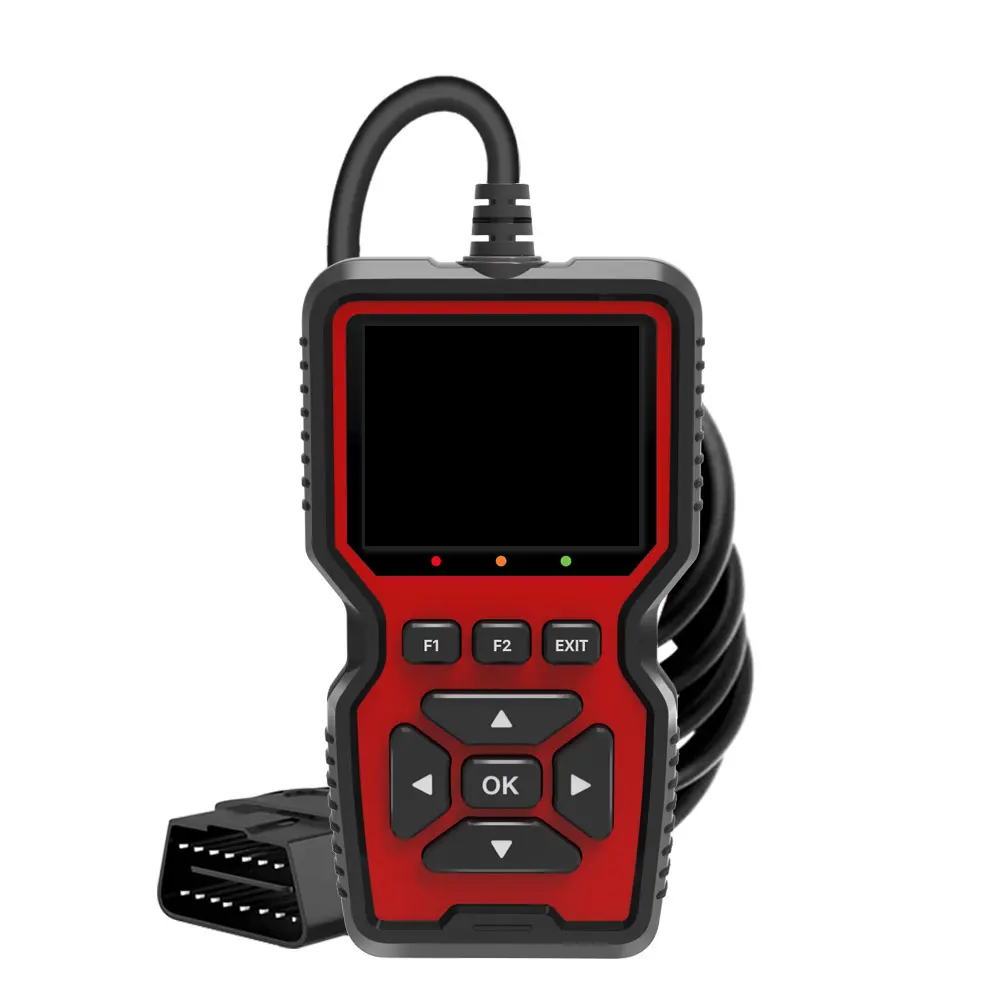
- Verify DTC and Freeze Frame Data: Connect an OBD-II scanner to confirm P1747 is present. Review freeze frame data to understand operating conditions (engine RPM, vehicle speed, transmission fluid temperature, load) when the fault occurred. This can provide valuable context.
- Visual Inspection of External Wiring: Carefully inspect the external transmission wiring harness from the PCM/TCM connector to the transmission case. Look for any signs of chafing, pinching, melting, rodent damage, or loose/corroded connectors. Ensure the main transmission connector is securely seated and free of contamination.
- Resistance Test of Pressure Control Solenoid “A” (via external connector):
- Locate and disconnect the main transmission electrical connector.
- Consult the vehicle’s service manual or wiring diagram to identify the specific pins corresponding to the Pressure Control Solenoid “A”.
- Using a Digital Multimeter (DMM) set to ohms, measure the resistance across these two pins (if it’s a two-wire solenoid) or between the control wire and the ground wire/pin for the solenoid.
- Compare the measured resistance to manufacturer specifications. Typical resistance values for LPC solenoids range from 0.5 to 5.0 ohms. A reading significantly lower than specified (e.g., near 0 ohms) indicates a short circuit, potentially within the solenoid or the internal harness.
- Also, measure resistance between each identified solenoid pin and chassis ground. Any low resistance reading (ideally should be infinite or very high) indicates a short to ground.
- Continuity Test of External Harness: With the transmission connector still disconnected, test for continuity between the identified solenoid control wire at the PCM/TCM connector and the transmission connector. Also, test for continuity between the control wire and known good chassis ground, and between the control wire and a fused B+ (battery voltage) source. Any continuity to ground or B+ indicates a short in the external harness.
- Internal Solenoid Isolation Test: If the external harness checks out, and resistance measurements taken through the external connector are out of spec, the issue is likely internal.
- Safely raise the vehicle and support it.
- Drain the transmission fluid and remove the transmission oil pan.
- Locate the Pressure Control Solenoid “A” on the valve body. Disconnect its electrical connector from the internal harness.
- Measure the resistance of the solenoid directly using the DMM across its terminals. Again, compare to manufacturer specifications. A shorted solenoid will exhibit abnormally low resistance.
- Additionally, test for continuity between the solenoid’s terminals and its metal housing. Any continuity indicates an internal short to the solenoid body.
- PCM/TCM Output Test (less common for short circuit): While P1747 specifically points to a short, if all other components test good, carefully consider a PCM/TCM internal fault. This typically requires specialized diagnostic equipment and deep knowledge of the specific module’s architecture. However, direct shorts within the module are rare for this specific DTC.
Recommended Repairs and Solutions
Based on the diagnostic findings, the following repairs are typically recommended:
- Repair or Replace Damaged External Wiring: If the external transmission wiring harness is found to be shorted or damaged, carefully repair the affected section using high-quality, automotive-grade wire and connectors. Ensure proper insulation, strain relief, and protection from heat or abrasion.
- Replace Faulty Pressure Control Solenoid “A”: If direct testing of the solenoid confirms an internal short, replace the solenoid. This often requires dropping the transmission pan and potentially removing the valve body to access the component. Always use an OEM or reputable aftermarket replacement part to ensure proper operation and longevity.
- Replace Internal Transmission Wiring Harness: If the internal wiring harness within the transmission is found to be shorted or damaged (e.g., insulation breakdown), the entire internal harness assembly should be replaced. These harnesses are often sold as a unit.
- Address Connector Issues: If a corroded or damaged connector is the cause, thoroughly clean the terminals or replace the connector housing and pins as needed. Use dielectric grease to protect against future corrosion.
- Transmission Fluid and Filter Service: Any time the transmission pan is removed for diagnosis or repair, it is critical to replace the transmission filter and refill the transmission with the manufacturer-specified type and quantity of fresh transmission fluid.
- PCM/TCM Replacement: Only consider replacing the PCM or TCM as a last resort, after all other components (solenoid, internal/external wiring) have been thoroughly tested and confirmed to be in good working order. This is typically indicated by a persistent short condition traced back to the module’s driver circuit itself, which is rare for a P1747 short.
- Clear Codes and Test Drive: After performing any repairs, clear all diagnostic trouble codes using an OBD-II scanner. Conduct a thorough test drive under various driving conditions, including stop-and-go traffic and highway speeds, to confirm the repair and ensure the P1747 code does not return. Monitor live data for transmission parameters if available to verify proper solenoid operation.