What Does Code P0746 Mean?
DTC P0746 indicates a detected performance issue or a “Stuck Off” condition for the Pressure Control Solenoid “A” circuit within the automatic transmission. This diagnostic trouble code is set by the Transmission Control Module (TCM), which is often integrated into the Powertrain Control Module (PCM/ECM). The TCM’s primary function regarding transmission hydraulics is to modulate line pressure to ensure smooth, precise gear changes and adequate clamping force for clutch packs. Pressure Control Solenoid “A” (PCS A) is typically a normally open variable bleed solenoid that regulates transmission fluid pressure by controlling the flow of fluid to various hydraulic circuits. The TCM monitors the actual transmission line pressure, often via a pressure sensor, and compares it to a calculated target pressure based on engine load, vehicle speed, and throttle position. When P0746 is set, it means the TCM has detected a significant discrepancy between the commanded pressure from PCS A and the actual hydraulic pressure, or that the solenoid is not responding as expected, leading to excessively low or no pressure output from that circuit, essentially being “stuck off” or performing significantly below specification. This condition directly impacts the hydraulic integrity and operational efficiency of the automatic transmission.
Common Symptoms
- Harsh or Delayed Shifting: The transmission may engage gears with a noticeable jolt or delay due to incorrect line pressure.
- Transmission Slippage: Lack of proper hydraulic pressure can prevent clutch packs from fully engaging, leading to gears slipping under load.
- Transmission Overheating: Slipping clutches generate excessive heat, potentially leading to transmission fluid degradation and component damage.
- Reduced Fuel Economy: Inefficient power transfer due to slippage or prolonged engagement can negatively impact fuel efficiency.
- Vehicle Enters Limp Mode: To prevent further damage, the TCM may command the transmission into a failsafe or limp-home mode, limiting available gears and performance.
- Check Engine Light (CEL) Illumination: The Malfunction Indicator Lamp (MIL) will illuminate to signal a detected powertrain fault.
- Abnormal Transmission Noises: Whining or grinding sounds may be present, particularly during shifting or acceleration, indicating internal hydraulic or mechanical distress.
What Causes the Code P0746?
- Faulty Pressure Control Solenoid “A”: The solenoid itself may be electrically open, shorted, have excessive resistance, or be mechanically stuck in the “off” position due preventing it from modulating pressure correctly.
- Contaminated Transmission Fluid: Sludge, debris, or excessive wear particles in the transmission fluid can clog the solenoid’s orifices, restrict its movement, or cause valves within the valve body to stick.
- Low Transmission Fluid Level: Insufficient fluid can prevent the transmission pump from generating adequate line pressure, leading to the PCS not being able to achieve commanded pressures.
- Internal Transmission Mechanical Failure: Issues within the transmission’s hydraulic circuits, such as a worn or damaged pump, faulty valve body, leaking seals, or a physical blockage, can directly affect line pressure regulation.
- Wiring Harness or Connector Issues: An open circuit, short to ground, or poor connection in the wiring leading to the Pressure Control Solenoid “A” can prevent it from receiving power or control signals from the TCM.
- Faulty Transmission Control Module (TCM/PCM): Although less common, an internal failure of the TCM/PCM’s driver circuit for the solenoid can cause this code to set.
How to Diagnose and Troubleshoot
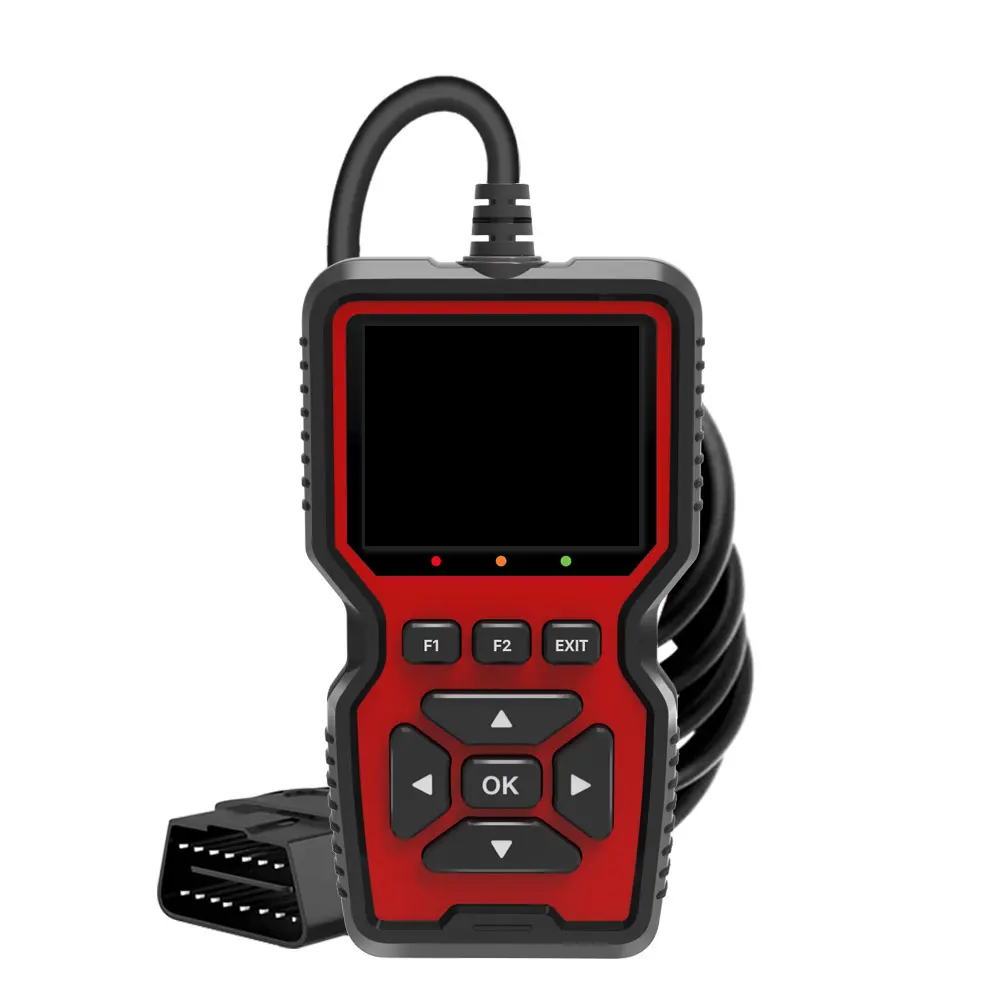
Diagnosing P0746 requires a methodical approach, utilizing an advanced OBD-II scanner, a digital multimeter (DMM), and potentially specialized transmission pressure gauges.
- Initial Scan and Data Analysis: Connect an OBD-II scanner to confirm P0746. Record freeze frame data, which provides operating conditions at the time the fault was set. Check for any other related transmission or powertrain codes that might offer additional diagnostic clues. Clear the code and attempt to reproduce the fault condition.
- Transmission Fluid Inspection: Check the transmission fluid level while the vehicle is on level ground and the transmission is at operating temperature (or as specified by the manufacturer). Note the fluid’s color, odor, and presence of any metallic particles or excessive sludge. Burnt smell or dark fluid indicates overheating and potential internal damage.
- Visual Inspection of Wiring and Connectors: Carefully inspect the wiring harness leading to the transmission and specifically to the Pressure Control Solenoid “A” (if externally accessible). Look for signs of chafing, fraying, corrosion, or damage. Ensure connectors are fully seated and free of contamination.
- Electrical Testing of Pressure Control Solenoid “A” (DMM):
- Solenoid Resistance Check: Disconnect the electrical connector from PCS A. Using a DMM, measure the resistance across the solenoid terminals. Compare this reading to manufacturer specifications. An open circuit (infinite resistance) or a short circuit (near zero resistance) indicates a faulty solenoid. Significant deviation from specification also suggests a problem.
- Power and Ground Circuit Check: With the key on and engine off, check for power supply (B+) at the PCS A connector (refer to wiring diagram for specific pinouts). Check the control circuit for proper grounding or modulated voltage from the TCM when commanded (using an oscilloscope may be beneficial to observe pulse-width modulation signals).
- Continuity Check: With the battery disconnected, perform continuity checks on the wiring between the PCS A connector and the TCM/PCM connector. Look for opens or shorts to ground or other circuits.
- Transmission Line Pressure Test: If equipped with pressure test ports, connect a specialized transmission pressure gauge. Monitor line pressure at idle, in gear, and during commanded shifts (if possible with scanner). Compare actual pressures to manufacturer specifications. A consistently low or absent line pressure despite the TCM commanding it, especially in the circuit controlled by PCS A, strongly points to a hydraulic issue or a stuck/non-functioning solenoid.
- Solenoid Actuator Test (if available with scanner): If your scan tool has bidirectional control capabilities, attempt to command the PCS A on and off. While commanding, observe the change in line pressure (if a gauge is connected) or listen for an audible click from the solenoid. Lack of response or failure to alter pressure indicates a faulty solenoid or hydraulic blockage.
- Valve Body Inspection: If electrical tests confirm the solenoid and wiring are good, and line pressure is incorrect, the issue likely lies within the valve body itself. This usually requires dropping the transmission pan and removing the valve body to inspect for stuck valves, worn bores, or debris.
Recommended Repairs and Solutions
Once the root cause of P0746 has been identified through proper diagnosis, the following repairs are typically recommended:
- Replace Pressure Control Solenoid “A”: If electrical testing confirms the solenoid itself is faulty, replace it. This often requires dropping the transmission pan, filter, and sometimes the entire valve body assembly to access the solenoid. Always use OEM or reputable aftermarket solenoids.
- Transmission Fluid Service: If the fluid is found to be low, dirty, or contaminated, perform a complete transmission fluid and filter change. Ensure the correct type of transmission fluid (e.g., DEXRON, MERCON, ATF+4, etc.) is used according to the manufacturer’s specifications.
- Repair or Replace Wiring/Connectors: If damaged wiring or corroded connectors are found, repair or replace the affected sections of the harness. Ensure all connections are secure and weatherproof.
- Valve Body Replacement or Repair: If internal valve body issues (e.g., stuck valves, excessive wear in solenoid bores, blocked passages) are identified, the valve body may need to be replaced or professionally rebuilt. In some cases, individual valves or sleeves can be replaced.
- Address Internal Transmission Mechanical Issues: If a faulty transmission pump, worn clutch packs, or other severe internal mechanical damage is detected (often indicated by metal debris in the pan), a transmission overhaul or replacement may be necessary. This is typically a more extensive and costly repair.
- TCM/PCM Replacement/Reprogramming: If all other components have been thoroughly tested and verified as functional, and the issue persists, the TCM/PCM may be at fault. This is a rare occurrence and should only be considered after exhausting all other diagnostic avenues. Replacement typically requires programming to the vehicle’s VIN.
Mechanics’ Tips:
- Always maintain a clean workspace when performing any internal transmission work to prevent contamination.
- Use a torque wrench for all fasteners, especially on the transmission pan and valve body, to avoid leaks or damage.
- After any transmission repairs, it is crucial to clear the DTCs, perform a transmission fluid level check, and then conduct a thorough road test to confirm the repair and allow the TCM to relearn its shift parameters. Some transmissions may require specific relearn procedures or drive cycles.
- Consider replacing all accessible solenoids on the valve body as a preventative measure, especially if the transmission pan is already dropped, as they are often subject to similar wear and tear.