What Does Code P0758 Mean?
DTC P0758, which translates to “Shift Solenoid B Electrical” or “2-3 Shift Solenoid Circuit Electrical,” indicates an electrical malfunction within the circuit controlling Shift Solenoid B in an automatic transmission. The Powertrain Control Module (PCM), often integrating the Transmission Control Module (TCM) functions, monitors the electrical characteristics of the solenoid circuits to ensure proper operation. Shift Solenoid B is an electro-hydraulic valve responsible for regulating the flow of transmission fluid to specific clutch packs or bands, thereby facilitating gear shifts, typically the 2-3 upshift or 3-2 downshift depending on the transmission’s design and solenoid logic (normally open or normally closed). The PCM continuously monitors the resistance, current draw, or voltage drop across the solenoid’s circuit. When the PCM detects an electrical reading outside of the manufacturer’s specified operational parameters for a calibrated period – indicating either an open circuit (infinite resistance), a short to ground (abnormally low resistance), or a short to voltage (unexpected voltage presence) – it will set code P0758. This code points specifically to an electrical integrity issue within the solenoid’s circuit, not necessarily a mechanical failure of the solenoid valve itself, though an internal electrical failure of the solenoid would trigger this code.
Common Symptoms
- Illuminated Malfunction Indicator Lamp (MIL) or Check Engine Light
- Harsh or delayed gear shifts, particularly between 2nd and 3rd gears
- Transmission slipping during acceleration or gear changes
- Transmission stuck in a single gear (limp mode), often 2nd or 3rd gear, to prevent further damage
- Inability to engage certain gears, making the vehicle difficult to drive
- Reduced fuel economy due to inefficient gear selection
- Vehicle may fail to move from a stop in extreme cases
What Causes the Code P0758?
- Faulty Shift Solenoid B: The most common cause, where the internal windings of the solenoid have an open circuit, a short circuit, or incorrect resistance.
- Damaged Wiring Harness: Frayed, pinched, corroded, or broken wires within the solenoid’s electrical circuit, leading to an open or short circuit condition.
- Corroded or Loose Electrical Connectors: Poor connection at the solenoid or transmission harness due to corrosion, bent pins, or insufficient terminal tension.
- Short to Ground or Voltage: The solenoid circuit wiring inadvertently contacting a chassis ground or a constant voltage source.
- Faulty Transmission Control Module (TCM) or Powertrain Control Module (PCM): While less common, an internal failure within the control module’s driver circuit for Shift Solenoid B can cause this code.
How to Diagnose and Troubleshoot
A systematic diagnostic approach is crucial for P0758:
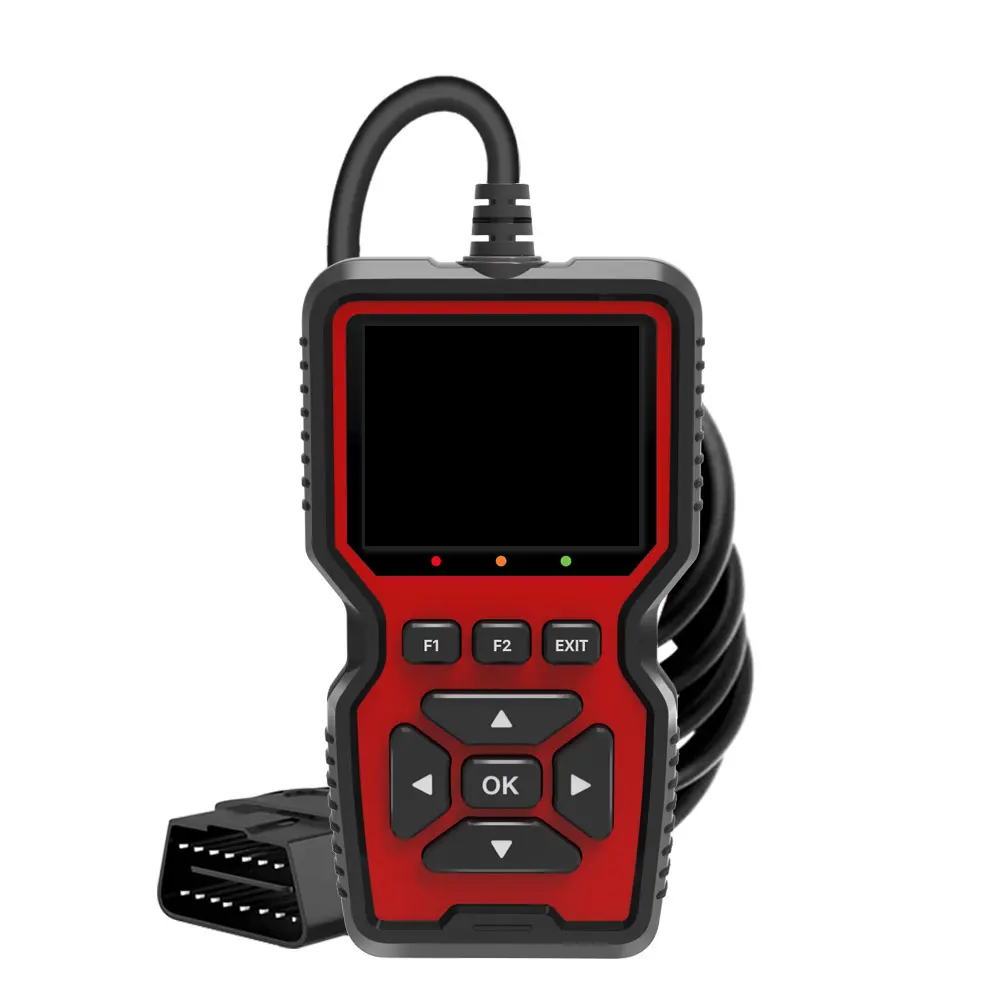
- Retrieve and Verify Codes: Use an OBD-II scanner to confirm P0758. Note any other stored or pending DTCs, as they might provide additional context. Clear the codes and perform a brief road test if possible to see if P0758 immediately returns.
- Visual Inspection:
- Carefully inspect the transmission wiring harness for any visible signs of damage, such as fraying, pinching, chafing, corrosion, or heat damage. Pay particular attention to areas where the harness passes near hot components or sharp edges, and where it connects to the transmission.
- Examine the electrical connectors at the transmission case and at Shift Solenoid B (which often requires dropping the transmission pan and valve body access) for corrosion, bent pins, or loose connections.
- Check the transmission fluid level and condition. While not a direct electrical cause, low or degraded fluid can exacerbate shifting issues.
- Electrical Testing of Shift Solenoid B (Transmission Pan Removal Often Required):
- Locate Shift Solenoid B within the transmission valve body (refer to a vehicle-specific service manual for exact location).
- Disconnect the electrical connector from Shift Solenoid B.
- Using a Digital Multimeter (DMM) set to ohms, measure the resistance across the two terminals of the solenoid itself. Compare this reading to the manufacturer’s specified resistance value (typically 10-25 ohms). An “OL” or infinite reading indicates an open circuit, while a reading significantly lower than specified (e.g., 0-5 ohms) suggests a short circuit within the solenoid.
- If the solenoid resistance is out of specification, the solenoid is faulty.
- Electrical Testing of Wiring Harness:
- With the solenoid connector still disconnected and the ignition OFF, use the DMM to test for continuity in the harness wires leading to Shift Solenoid B. This may involve back-probing the TCM/PCM connector while checking at the solenoid harness connector (consult wiring diagrams for pinouts). An open circuit indicates a break in the wire.
- Test for a short to ground: With the harness disconnected from both the solenoid and the TCM/PCM, set the DMM to ohms and measure resistance between each wire of the solenoid circuit and a known good chassis ground. Any low resistance reading indicates a short to ground.
- Test for a short to voltage: With the ignition ON (engine OFF), set the DMM to DC volts and measure voltage between each wire of the solenoid circuit and a known good chassis ground. Any unexpected voltage presence (e.g., battery voltage) indicates a short to voltage.
- TCM/PCM Driver Circuit Check (Advanced): If the solenoid and wiring harness test good, the issue may lie within the TCM/PCM’s driver circuit. This typically requires specialized diagnostic equipment and in-depth knowledge of control module diagnostics. It’s often diagnosed by process of elimination or by observing specific voltage signals on the command wire from the TCM/PCM while commanding the solenoid ON/OFF with a bidirectional scanner, if supported.
Recommended Repairs and Solutions
- Replace Shift Solenoid B: If the electrical resistance test confirms an internal fault with the solenoid, it must be replaced. This procedure typically involves dropping the transmission pan, draining the fluid, removing the valve body cover (or the entire valve body in some designs) to access and replace the solenoid.
- Mechanic’s Tip: When replacing a single shift solenoid, consider inspecting or testing other accessible solenoids on the valve body for signs of wear or borderline electrical readings. In some cases, replacing all shift solenoids as a set (often available in a kit) can be a preventative measure, especially if the transmission fluid shows signs of contamination or age.
- Mechanic’s Tip: Always use a new transmission pan gasket and ensure the mating surfaces are meticulously clean before reassembly. Refill the transmission with the correct type and quantity of transmission fluid specified by the manufacturer.
- Repair or Replace Wiring Harness: If the visual inspection or electrical tests reveal damaged wiring, repair the affected section of the harness using appropriate automotive-grade wires, connectors, and crimping tools. For extensive or inaccessible damage, replacement of the entire harness section might be necessary.
- Clean or Repair Connectors: If corrosion or poor terminal tension is identified, clean the connector terminals thoroughly with electrical contact cleaner and use a pick or small tool to carefully restore proper tension to female terminals.
- Replace TCM/PCM: This should be a last resort, only after thoroughly ruling out the solenoid and wiring harness as the source of the fault. TCM/PCM replacement often requires programming or “flashing” the new module to the vehicle’s specific VIN and options, which typically requires dealer-level diagnostic equipment or a specialized independent shop.
- Clear Codes and Retest: After any repair, clear the DTCs using an OBD-II scanner and perform an extended road test, including various driving conditions and gear shifts, to confirm the repair and ensure the P0758 code does not return and that the transmission shifts normally.