What Does Code P1157 Mean?
The OBD-II diagnostic trouble code P1157 signifies “Lack Of HO2S22 Switch – Sensor Indicates Lean.” This code specifically refers to a condition detected by the Engine Control Module (ECM) or Powertrain Control Module (PCM) regarding the Heated Oxygen Sensor 2 on Bank 2 (HO2S22). HO2S22 denotes the downstream oxygen sensor located after the catalytic converter on the engine bank that does not contain cylinder #1. The ECM/PCM monitors the voltage output fluctuations of this sensor to assess catalytic converter efficiency and overall emissions control. A “Lack of Switch” indicates that the sensor’s voltage signal is not fluctuating adequately or within expected parameters over a specific period. The additional descriptor, “Sensor Indicates Lean,” specifies that this lack of switching is occurring while the sensor consistently reports a low voltage output (typically below 0.45 volts for a zirconium dioxide sensor), which signifies an excess of oxygen in the exhaust stream, or a lean condition. The ECM/PCM sets P1157 when it observes HO2S22 voltage remaining stagnant at a consistently low level for a predetermined duration, suggesting either a faulty sensor, a problem within its circuit, or a persistent lean exhaust gas condition downstream of the catalyst.
Common Symptoms
- Illumination of the Check Engine Light (MIL) on the dashboard.
- Potential decrease in fuel economy, though this is not always directly noticeable with a downstream sensor issue.
- Possible rough idle or minor drivability issues in some cases, especially if the underlying cause affects overall engine operation.
- No discernible symptoms other than the activated MIL is a common occurrence for downstream oxygen sensor codes.
- Failure to pass an emissions inspection due to the active fault code.
What Causes the Code P1157?
- Faulty HO2S22 Sensor: The most common cause is the oxygen sensor itself being defective, “stuck” in a lean output state, or its internal heater element failing, which prevents the sensor from reaching its optimal operating temperature and producing an accurate, responsive signal.
- Wiring and Connector Issues: An open circuit, short circuit, or high resistance in the HO2S22 signal wire, heater circuit, or ground wire. Damaged, corroded, or loose electrical connector pins can also disrupt the sensor’s signal transmission.
- Exhaust System Leaks: An exhaust leak located downstream of the catalytic converter on Bank 2 can draw in ambient air, leading the oxygen sensor to falsely detect a lean exhaust condition.
- Actual Lean Exhaust Condition: While less common for a “lack of switch” on a downstream sensor, a persistent and severe lean condition in the engine’s combustion process (e.g., significant vacuum leak, low fuel pressure, faulty fuel injectors on Bank 2, or a Mass Air Flow (MAF) sensor issue) could potentially cause the downstream sensor to accurately report a lean condition if the catalyst is overwhelmed or if the lean condition is severe enough to affect post-cat exhaust.
- PCM Failure: Although rare, an internal fault within the ECM/PCM affecting its ability to correctly process the HO2S22 input signal can also lead to this code.
How to Diagnose and Troubleshoot
Diagnosing P1157 requires a systematic approach, combining visual inspection, advanced scan tool capabilities, and precise electrical testing:
- Visual Inspection: Begin by thoroughly inspecting the HO2S22 sensor itself, its wiring harness, and the electrical connector. Look for signs of physical damage, chafing, melted insulation, corrosion, or loose connections. Trace the wiring back to the PCM if possible, checking for any points of contact or damage. Concurrently, inspect the exhaust system on Bank 2, particularly downstream of the catalytic converter, for any signs of leaks (soot stains, cracks, loose flanges) that could allow ambient air intrusion.
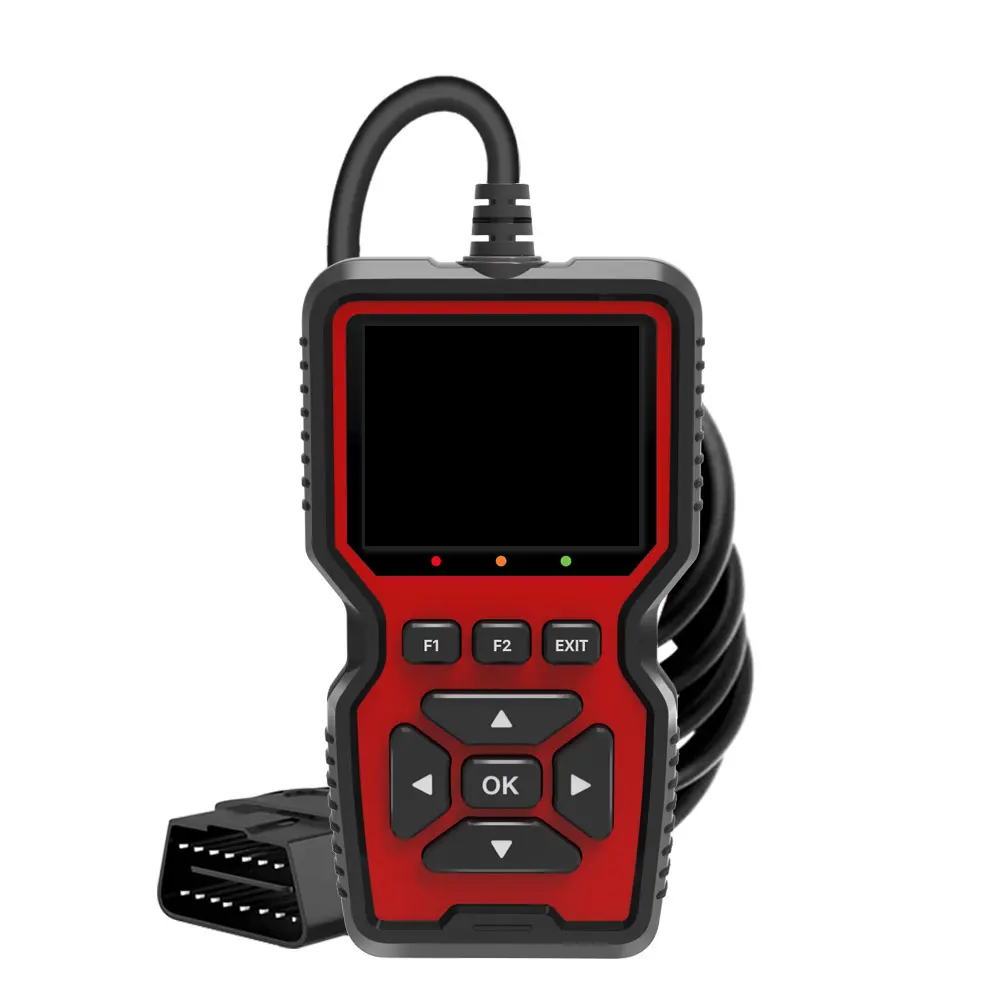
- OBD-II Scan Tool Data Analysis:
- Connect an OBD-II scan tool and monitor live data for HO2S22 voltage. With the engine fully warmed up and running, a normally functioning downstream sensor should exhibit relatively stable voltage, typically hovering between 0.6 to 0.8 volts if the catalytic converter is efficient, with minimal fluctuations compared to upstream sensors. For P1157, you will likely observe the HO2S22 voltage consistently low (e.g., 0.1V – 0.2V) and showing little to no switching activity.
- Compare HO2S22 data with HO2S21 (Bank 2 Sensor 1, upstream). The upstream sensor should cycle rapidly between approximately 0.1V and 0.9V. If HO2S22 is stuck lean and HO2S21 is cycling normally, it points more towards the downstream sensor or exhaust leak.
- Monitor Short Term Fuel Trim (STFT) and Long Term Fuel Trim (LTFT) for Bank 2. While downstream sensors primarily monitor catalyst efficiency, an accurate lean reading (even if the sensor itself is at fault) could indirectly influence fuel trims if the PCM tries to compensate. However, severe fuel trim adaptations are more indicative of upstream O2 sensor or engine performance issues.
- Digital Multimeter (DMM) Testing:
- Heater Circuit Test: Disconnect the HO2S22 electrical connector. Using a DMM, measure the resistance across the two heater wires (typically the same color, often white). Expect a reading of 2-10 ohms. Infinite resistance indicates an open heater element. Then, with the key on and engine off, check for battery voltage (B+) at the harness side of the heater circuit connector (usually one wire from a relay or fuse). Confirm good ground continuity on the other heater wire at the harness side.
- Signal Wire Test: With the HO2S22 connector connected and the engine warm and running, carefully backprobe the signal wire (often black or blue) with your DMM. Observe the voltage. If the sensor is responsive and the engine is running properly, you should see some voltage fluctuations, even if subtle. A consistent low voltage (e.g., below 0.2V) confirms the sensor is indeed reading lean and not switching.
- Reference Voltage and Ground Check (if applicable): Some oxygen sensors utilize a dedicated reference voltage (often 0.45V) provided by the PCM. Verify this reference and the sensor’s ground circuit for continuity back to the PCM.
- Exhaust Leak Detection: If visual inspection is inconclusive, use a smoke machine to pressurize the exhaust system to identify subtle leaks that could be skewing sensor readings. Alternatively, cautiously introduce propane into the intake manifold or around the exhaust system near the sensor. If the HO2S22 voltage temporarily increases significantly in response to the propane, it indicates the sensor is still functional and reacting to a rich condition, suggesting an actual lean condition or exhaust leak is the root cause.
Recommended Repairs and Solutions
Once the diagnostic steps have pinpointed the root cause, the following repairs are typically performed:
- Replace the HO2S22 Sensor: If testing confirms the oxygen sensor itself is faulty (stuck lean, unresponsive, or heater circuit open), replacing it with a new, high-quality OEM or equivalent sensor is the most common and effective solution. Ensure you use the correct sensor type (e.g., zirconium dioxide, wideband) specific to your vehicle’s application.
- Repair Wiring and Connectors: Any identified damage to the HO2S22 wiring harness (cuts, frays, shorts) or corrosion/damage to the electrical connector pins must be meticulously repaired or replaced. Use appropriate automotive-grade wire repair techniques (soldering, heat-shrink tubing) and weather-pack connectors if replacements are necessary.
- Repair Exhaust Leaks: Locate and repair all exhaust leaks on Bank 2 downstream of the catalytic converter. This may involve replacing exhaust gaskets, clamps, or even sections of the exhaust piping that are cracked or rusted through. Ensure proper sealing for all exhaust components.
- Address Underlying Lean Conditions: If diagnostics indicate the HO2S22 is accurately reporting a lean condition, then the focus shifts to resolving the engine’s primary lean issue. This could involve diagnosing and repairing vacuum leaks, testing fuel pressure and injectors, inspecting the MAF sensor, or other components that contribute to a lean air-fuel mixture.
- Clear DTCs and Test Drive: After any repairs, clear the P1157 code from the ECM/PCM memory using a scan tool. Then, perform an extended test drive under various driving conditions, including highway and city driving, to allow the monitors to run. Continuously monitor HO2S22 live data during the test drive to confirm proper operation, responsiveness, and voltage switching within expected parameters.