What Does Code P1776 Mean?
DTC P1776, commonly associated with Nissan vehicles equipped with Continuously Variable Transmissions (CVTs), signifies an “Ignition Retard Request Duration Fault,” though its root cause is primarily a malfunction within the transmission’s hydraulic control system, specifically the Torque Converter Clutch (TCC) solenoid valve circuit or function. The Powertrain Control Module (PCM), often integrated with the Transmission Control Module (TCM), issues ignition retard requests as part of its torque management strategy during crucial transmission events, such as the engagement or disengagement of the torque converter lock-up clutch. This is done to smooth transitions, reduce shock loading, and optimize fuel efficiency by locking the torque converter. When the PCM commands the TCC solenoid to engage or disengage the lock-up clutch, it expects a corresponding hydraulic and mechanical response within a specific timeframe, often accompanied by or initiated with an ignition retard request. If the TCC solenoid fails to operate correctly, or if the hydraulic pressure response is inadequate, the PCM detects that the intended clutch action is not occurring within the expected duration relative to its ignition retard command. This prolonged or ineffective “ignition retard request” condition, where the transmission fails to achieve the desired state, triggers the P1776 code. The primary subsystem affected is the Continuously Variable Transmission (CVT) and its internal hydraulic valve body responsible for torque converter lock-up control.
Common Symptoms
- CVT Shudder or Vibration: Especially noticeable during acceleration or at steady cruising speeds when the torque converter should be locking up.
- Reduced Fuel Economy: The inability of the torque converter to lock up efficiently leads to increased slippage and wasted energy.
- Lack of Power or Poor Acceleration: Slippage in the torque converter prevents full engine power from being transferred to the wheels.
- Engine RPM Fluctuations: Inconsistent engine RPM at steady vehicle speeds due to improper torque converter clutch engagement.
- Transmission Slipping Sensation: A feeling that the transmission is not effectively transferring power, particularly under load.
- Overheating Transmission Warning Light: Prolonged slippage generates excessive heat within the transmission fluid, potentially leading to overheating.
- Activation of Limp Mode: The PCM may put the vehicle into a reduced power “limp mode” to prevent further damage to the transmission.
What Causes the Code P1776?
- Faulty Torque Converter Clutch (TCC) Solenoid Valve: This is the most prevalent cause. The solenoid may be mechanically stuck, have an internal electrical open or short circuit, or its performance may have degraded, preventing proper hydraulic control of the torque converter clutch.
- Contaminated or Incorrect Transmission Fluid: Dirty, old, or incorrect specification CVT fluid can clog hydraulic passages, impede solenoid movement, and lead to poor clutch engagement. Nissan CVTs are highly sensitive to the exact fluid type (e.g., NS-2 or NS-3).
- Internal Transmission Mechanical Failure: Wear within the torque converter clutch itself, damaged valve body passages, or debris obstructing hydraulic circuits can prevent proper clutch engagement even if the solenoid is functioning electrically.
- Wiring Harness or Connector Issues: An open circuit, short to ground, or high resistance in the TCC solenoid’s wiring harness or connector can prevent the PCM from effectively controlling the solenoid.
- PCM/TCM Software Glitch or Failure: In rare instances, a software anomaly or internal failure within the Powertrain/Transmission Control Module could lead to incorrect solenoid commands or misinterpretation of sensor data.
How to Diagnose and Troubleshoot
A systematic diagnostic approach is critical for P1776, as it often involves internal transmission components:
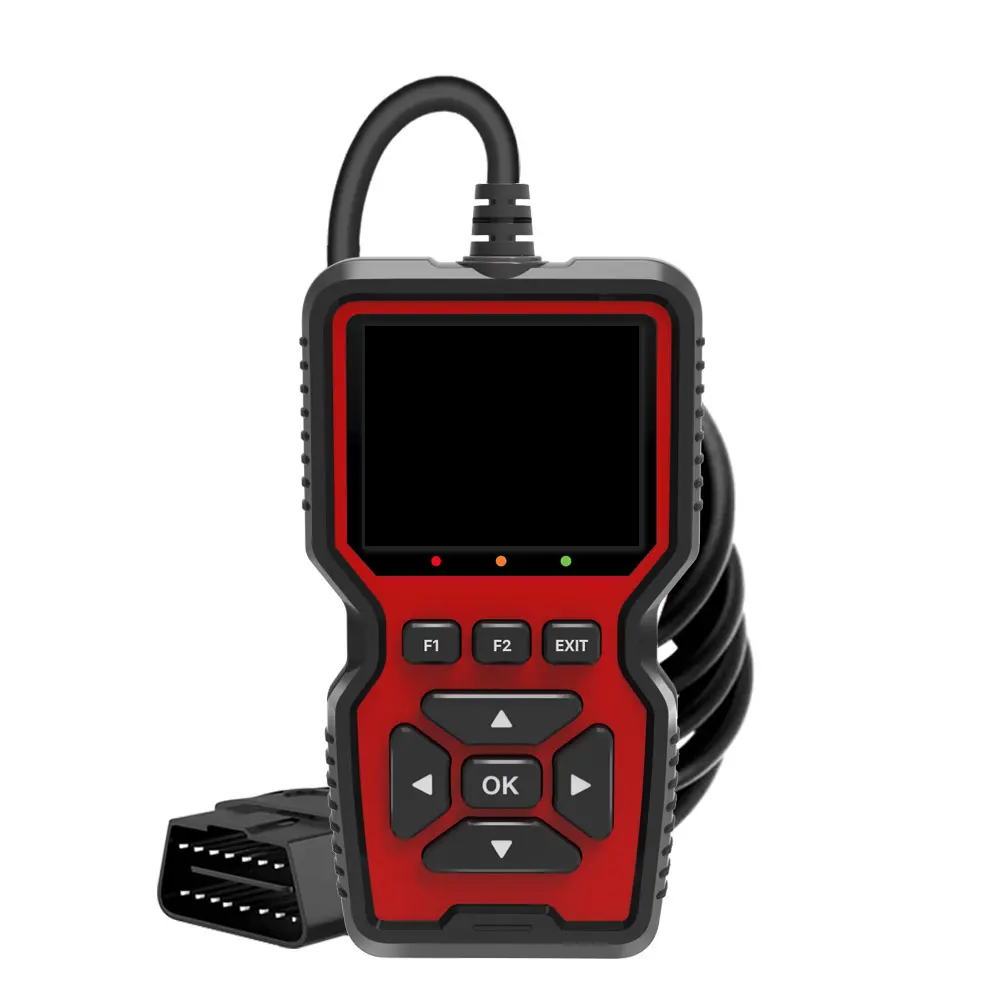
- Verify Code and Freeze Frame Data: Connect an OBD-II scan tool to confirm P1776 and check for any additional DTCs. Critically, analyze the freeze frame data, noting parameters such as engine speed, vehicle speed, transmission fluid temperature, and engine load at the time the code was set. This provides valuable clues regarding the operating conditions when the fault occurred.
- Inspect Transmission Fluid Level and Condition: With the engine at operating temperature (and usually running, depending on vehicle-specific procedures), check the CVT fluid level using the dipstick (if equipped) or inspection plug. Note its color (should be clear, not dark brown or black), smell (burnt odor indicates severe wear), and consistency. Address any discrepancies immediately.
- Perform a Thorough Visual Inspection: Carefully examine the external transmission wiring harness, paying close attention to the TCC solenoid connector (if externally accessible), looking for signs of chafing, corrosion, loose connections, or rodent damage.
- Electrical Test of TCC Solenoid Circuit:
- Disconnect Battery: Always disconnect the negative battery terminal before performing electrical tests on control modules or internal transmission components.
- Locate and Access Solenoid Wires: Using a vehicle-specific wiring diagram, identify the TCC solenoid’s circuit pins at the transmission’s external harness connector or directly at the valve body connector if accessible without dropping the pan.
- Measure Resistance: With a Digital Multimeter (DMM) set to ohms, measure the resistance across the TCC solenoid’s terminals. Compare this reading to manufacturer specifications (typically 1-10 ohms). An open circuit (infinite resistance) or a very low resistance (short) indicates a faulty solenoid coil.
- Check for Shorts to Ground/Power: While disconnected, check resistance between each solenoid wire and chassis ground, and between the wires and battery voltage (if still connected). Infinite resistance is desired.
- Scan Tool Bi-Directional Control & Live Data: If your scan tool supports bi-directional control, attempt to manually command the TCC solenoid ON and OFF while monitoring live data. Observe engine RPM changes (expected to drop slightly when locked) or specialized transmission pressure sensor readings (if available) to confirm solenoid response. Simultaneously, monitor transmission fluid temperature, torque converter slip, and solenoid duty cycle during a road test under conditions similar to the freeze frame data. Look for inconsistent solenoid operation or excessive slip where lock-up should be occurring.
- Pressure Testing (Advanced): For more complex diagnoses, specialized hydraulic pressure gauges can be connected to test ports on the transmission (if available). This allows a technician to verify actual hydraulic pressure output related to TCC engagement, which can pinpoint valve body issues beyond just the solenoid’s electrical function. This often requires dropping the transmission pan.
Recommended Repairs and Solutions
Addressing P1776 typically involves working on the internal components of the CVT. Given the complexity, this often requires specialized tools and expertise:
- Replace Torque Converter Clutch Solenoid: This is the most common and often effective repair. For Nissan CVTs, accessing the TCC solenoid typically requires draining the transmission fluid, dropping the transmission pan, and removing the valve body assembly. It is crucial to use genuine OEM solenoids or high-quality aftermarket equivalents specifically designed for the particular Nissan CVT model (e.g., JF011E, JF015E).
- Transmission Fluid and Filter Service: Always perform a complete CVT fluid exchange and replace the transmission filter (if applicable) when working on internal transmission components. Use only the manufacturer-specified CVT fluid (e.g., Nissan NS-2 or NS-3), as using incorrect fluid can cause severe damage.
- Valve Body Replacement: If the diagnosis indicates multiple faulty solenoids, significant contamination, or wear within the hydraulic passages of the valve body itself, replacement of the entire valve body assembly may be necessary. Ensure proper re-assembly and torque specifications are followed.
- Repair Wiring Harness/Connector: If the initial diagnosis identified damaged wiring or corroded connectors to the TCC solenoid, perform professional repairs using appropriate connectors and heat-shrink tubing to ensure a secure, watertight connection.
- PCM/TCM Reprogramming or Replacement: In rare cases, if all other components have been thoroughly tested and verified as functional, a PCM/TCM software update or unit replacement may be required. This should always be considered a last resort after ruling out all mechanical and electrical issues.
- Torque Converter Replacement: If the torque converter’s internal clutch pack is severely worn or damaged due to prolonged solenoid issues or lack of lubrication, the torque converter itself will need to be replaced. This is a more extensive and costly repair, often requiring transmission removal.
- CVT Overhaul or Replacement: If internal hard parts of the CVT are significantly damaged beyond what a solenoid or valve body replacement can address, a complete transmission overhaul or replacement with a remanufactured unit may be the only viable solution.
After any repairs, clear the DTCs and perform a comprehensive road test to confirm the issue is resolved and the P1776 code does not return. Many CVT repairs, especially solenoid or valve body replacements, require a specific “CVT adaptation” or “relearn” procedure using a factory-level scan tool to calibrate the transmission to its optimal operating parameters.