What Does Code P1173 Mean?
The diagnostic trouble code P1173, defined as a "Rotor Calibration Fault," indicates that the Engine Control Module (ECM), also known as the Powertrain Control Module (PCM), has detected an anomaly in the calibration or operational feedback of a rotating component critical to the fuel injection system’s precise operation. This code is most commonly associated with advanced fuel delivery systems, such as rotary-type diesel injection pumps or high-pressure gasoline direct injection (GDI) pumps, which rely on internal rotating elements for fuel metering, timing, or pressure generation. The ECM continuously monitors various parameters related to fuel delivery, including the rotational position and speed of internal pump components, often through dedicated rotor position sensors or similar inductive/Hall effect sensors. When the ECM detects that the actual rotational position, timing, or output of this rotor deviates significantly from its calibrated, learned, or commanded values – exceeding a predefined threshold for an extended period – it interprets this as a calibration fault. This discrepancy prevents the ECM from accurately controlling fuel delivery, leading to sub-optimal engine performance and potential emissions violations.
Common Symptoms
- Illuminated Malfunction Indicator Lamp (MIL): The "Check Engine" light will be activated.
- Reduced Engine Performance: Noticeable loss of power, poor acceleration, and hesitation during throttle input.
- Rough Idle or Stalling: Inconsistent fuel delivery can cause unstable combustion, leading to an erratic idle or engine shutdown.
- Hard Starting or No Start Condition: If the calibration fault severely impacts fuel delivery or pressure, the engine may struggle to start or fail to start altogether.
- Increased Fuel Consumption: Inaccurate fuel metering may lead to an overly rich or lean condition, impacting fuel economy.
- Visible Smoke from Exhaust (Diesel Engines): Black or white smoke may indicate incorrect fuel-air mixture due to faulty fuel delivery.
What Causes the Code P1173?
- Internal Fault within the Fuel Injection Pump (FIP) or High-Pressure Fuel Pump (HPFP): This is the most common cause, often due to wear in the rotor assembly, failure of internal rotor position sensors, or issues with the fuel metering valve or timing piston within the pump.
- Faulty Fuel Pressure Regulator (FPR) or Fuel Volume Control Valve (FVCV): If these components, often integrated into the pump, have internal rotating elements or linkages that are out of calibration or sticking, they can trigger this code.
- Wiring and Connector Issues: Open circuits, shorts, high resistance, or corroded terminals in the wiring harness connecting the ECM to the fuel pump, FPR, FVCV, or associated sensors (e.g., rotor position sensor).
- Contaminated Fuel System: Fuel contaminated with water, debris, or incorrect fuel type can cause internal wear or sticking within the precision components of the fuel pump, affecting rotor operation.
- Clogged Fuel Filter: A severely restricted fuel filter can starve the high-pressure pump, causing it to operate outside calibrated parameters due to insufficient fuel supply.
- Faulty Engine Control Module (ECM/PCM): Although less common, an internal ECM failure could lead to misinterpretation of sensor signals or incorrect command of the fuel system components, generating a false P1173.
How to Diagnose and Troubleshoot
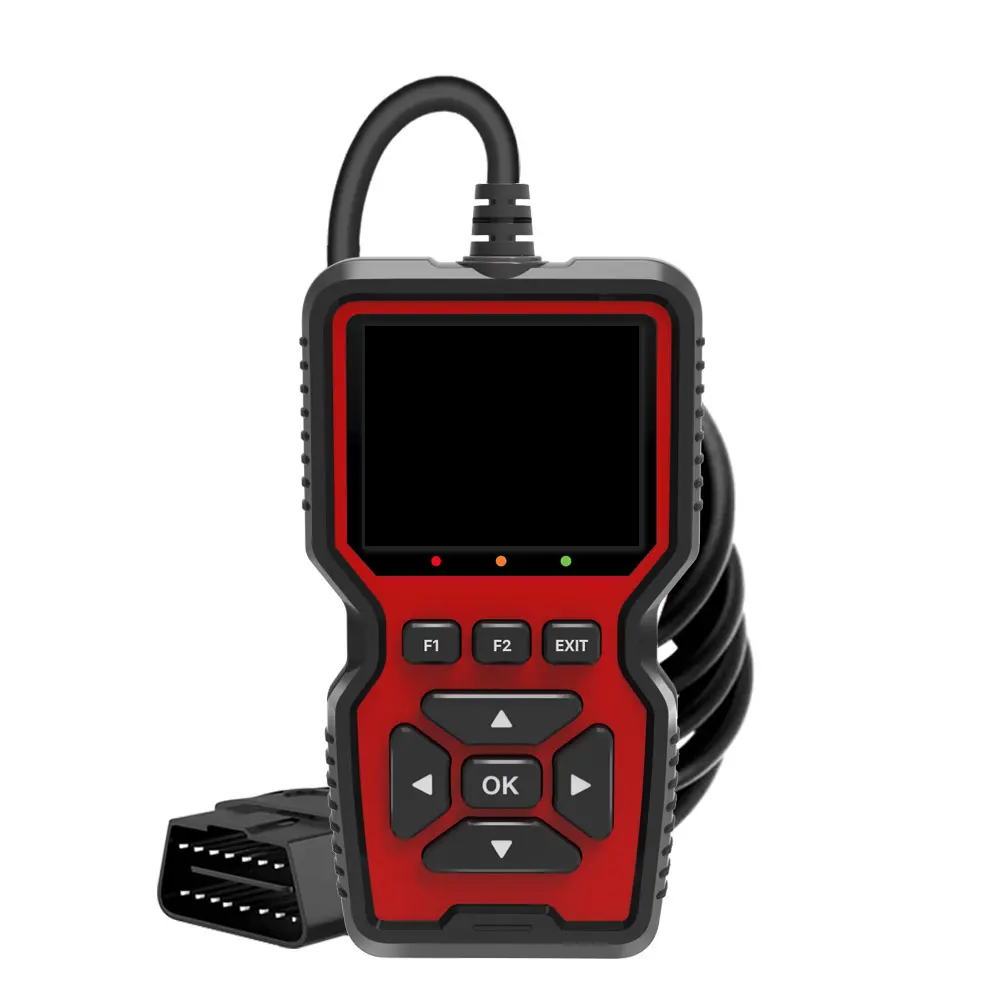
Diagnosing P1173 requires a methodical approach, utilizing an OBD-II scanner, a digital multimeter (DMM), and potentially specialized fuel system tools.
- Verify the Code and Check for Related DTCs: Use an OBD-II scanner to confirm P1173. Note any other pending or stored codes, as they may provide additional clues to the root cause. Monitor live data parameters such as fuel rail pressure (actual vs. desired), fuel volume regulator duty cycle, fuel pressure sensor readings, and fuel trim values. Look for significant discrepancies or erratic behavior in these parameters.
- Visual Inspection: Perform a thorough visual inspection of the entire fuel system wiring harness, focusing on connectors and wires leading to the fuel injection pump (FIP) or high-pressure fuel pump (HPFP), fuel pressure regulator, and any relevant fuel system sensors. Look for signs of chafing, corrosion, cuts, or loose connections. Inspect the fuel lines for kinks or damage.
- Check Fuel Quality and Supply:
- Fuel Sample: Collect a fuel sample to check for contamination (water, debris) or incorrect fuel type.
- Fuel Filter: Determine the age and condition of the fuel filter. A clogged filter can restrict fuel flow and affect pump operation.
- Low-Pressure Fuel Supply: On systems with a separate lift pump, verify adequate low-pressure fuel supply to the FIP/HPFP using a mechanical pressure gauge or by monitoring low-pressure sensor data (if available).
- Electrical System Checks (DMM):
- Power and Ground: With the ignition ON/engine OFF, use a DMM to verify proper voltage supply and ground integrity at the FIP/HPFP connector and any associated fuel system sensors (e.g., rotor position sensor, fuel pressure sensor). Refer to the vehicle’s wiring diagram for correct pinouts and voltage specifications.
- Signal Circuit Integrity: Back-probe connectors to check continuity and resistance on the signal circuits between the FIP/HPFP components and the ECM. Look for opens, shorts to ground, or shorts to voltage. Any resistance exceeding manufacturer specifications indicates a wiring issue.
- Component Resistance: If specified by the manufacturer, measure the internal resistance of the rotor position sensor, FPR, or FVCV (if separately testable) at the component connector. Compare readings to factory specifications.
- Fuel Pressure System Test:
- High-Pressure Test: If equipped, connect a specialized high-pressure fuel gauge to the fuel rail. Compare the actual fuel pressure reading to the desired fuel pressure displayed on the OBD-II scanner’s live data. Significant deviations (e.g., actual pressure consistently much lower than desired) point to a fuel pump or regulator issue.
- Pressure Retention Test: After shutting down the engine, monitor how quickly fuel rail pressure drops. A rapid drop can indicate internal leakage within the FIP/HPFP or injectors, or a faulty pressure regulator.
- Component-Specific Diagnostic (if applicable):
- For some rotary pumps, there might be specific diagnostic procedures for rotor position sensors (e.g., checking waveform patterns with an oscilloscope) or timing piston functionality. Consult the factory service manual.
Recommended Repairs and Solutions
Once the diagnostic steps have pinpointed the cause of P1173, the following repairs or component replacements are typically recommended:
- Repair or Replace Damaged Wiring/Connectors: If the DMM tests confirm an electrical circuit issue, repair any frayed wires, replace corroded terminals, or ensure all connectors are securely seated.
- Replace Fuel Filter: If the fuel filter is old, restricted, or suspected of contamination, replace it with a new, OEM-specified filter.
- Replace Fuel Pressure Regulator (FPR) or Fuel Volume Control Valve (FVCV): If diagnostic tests indicate internal sticking, electrical failure, or inconsistent operation of these components, they should be replaced. In many cases, these are integrated into the main fuel pump assembly.
- Replace the Fuel Injection Pump (FIP) or High-Pressure Fuel Pump (HPFP): This is often the most common and significant repair for a "Rotor Calibration Fault." If internal wear, failure of the rotor position sensor, or significant internal leakage within the pump is confirmed, the entire FIP or HPFP assembly typically requires replacement, as internal components are rarely serviceable separately. Ensure proper priming and bleeding of the fuel system after replacement, especially for diesel engines, to avoid airlocks.
- Address Fuel Contamination: If contaminated fuel is found, the fuel tank should be drained and cleaned, and the fuel filter replaced. Inspect the rest of the fuel system for damage caused by contamination.
- ECM/PCM Replacement or Reprogramming: Only consider ECM replacement as a last resort, after thoroughly ruling out all other potential causes. If a known software glitch is identified via Technical Service Bulletins (TSBs), an ECM reflash or reprogramming might be necessary.
Mechanic’s Tips:
- Always relieve fuel system pressure before disconnecting any fuel lines or components to prevent fuel spray and potential fire hazards.
- Use high-quality OEM or reputable aftermarket parts for critical fuel system components to ensure reliability and proper function.
- After replacing any major fuel system component, clear the DTCs from the ECM and perform a comprehensive drive cycle to ensure the repair is successful and the code does not return.
- Consult manufacturer-specific service information and wiring diagrams, as the exact interpretation of P1173 and component locations can vary significantly between different vehicle makes and models.
- For diesel systems, ensure thorough bleeding of air from the fuel lines after any component replacement to prevent hard starting or damage to the injection pump.