What Does Code P1383 Mean?
The diagnostic trouble code (DTC) P1383 signifies a condition where the Engine Control Module (ECM) or Powertrain Control Module (PCM) has detected that the Variable Cam Timing (VCT) or Variable Valve Timing (VVT) system on Bank 1 is “Over-Retarded.” Bank 1 refers to the engine bank that contains cylinder #1. The VCT/VVT system is designed to continuously alter the camshaft’s rotational position relative to the crankshaft, optimizing valve overlap and lift for various engine speeds and loads, thereby improving fuel efficiency, emissions, and power output.
The ECM/PCM monitors the actual camshaft position using the Camshaft Position (CMP) sensor(s) and compares this data to the Crankshaft Position (CKP) sensor. Based on pre-programmed parameters (engine RPM, load, temperature, etc.), the ECM commands a specific camshaft angle by modulating the Oil Control Valve (OCV) or VVT solenoid, which in turn directs oil pressure to the cam phaser. A P1383 code is set when the ECM detects that the actual camshaft position on Bank 1 is consistently or significantly more retarded (later in timing) than the commanded position, or that it is stuck in a retarded position beyond an acceptable calibrated tolerance for a specified period.
Common Symptoms
- Reduced Engine Performance: Noticeable lack of power, slow acceleration, or overall sluggishness.
- Rough Idle or Stalling: Incorrect valve timing can lead to poor combustion at idle, causing the engine to run roughly or stall.
- Increased Fuel Consumption: Inefficient combustion due to improper valve timing can lead to a decrease in fuel economy.
- Check Engine Light (CEL) Illumination: The primary indicator that a fault has been detected within the VCT system.
- Difficulty Starting: In some severe cases, significantly incorrect cam timing can impede engine start-up.
- Engine Knocking or Pinging: Pre-ignition or detonation can occur due to improper valve timing affecting cylinder pressure and temperature.
What Causes the Code P1383?
- Low Engine Oil Level or Pressure: The VCT system is hydraulically actuated; insufficient oil or low oil pressure directly impacts phaser operation.
- Contaminated or Improper Engine Oil: Sludge, debris, or incorrect oil viscosity can clog the OCV/VVT solenoid screens or oil passages within the cam phaser, restricting oil flow and phaser movement.
- Faulty Oil Control Valve (OCV) / VVT Solenoid (Bank 1): The solenoid responsible for directing oil pressure to the cam phaser may be electrically open/shorted, mechanically stuck, or worn, preventing proper cam adjustment.
- Damaged Camshaft Phaser / Actuator (Bank 1): Internal mechanical failure of the phaser unit itself, such as a broken locking pin, worn internal vanes, or seized components, preventing it from achieving or holding the commanded position.
- Wiring and Connector Issues: Damaged, corroded, or loose wiring and connectors affecting the Bank 1 VVT solenoid or the Bank 1 Camshaft Position (CMP) sensor.
- Faulty Camshaft Position (CMP) Sensor (Bank 1): An incorrect or intermittent signal from the CMP sensor can lead the ECM to misinterpret the actual cam position.
- Timing Chain/Belt System Issues: A stretched timing chain/belt, worn tensioner, or jumped timing could indirectly cause the camshaft to be out of its specified relationship with the crankshaft, although often accompanied by other specific timing correlation codes (e.g., P0016, P0017).
- ECM/PCM Malfunction: While less common, a defective ECM/PCM could send incorrect commands to the VCT system or misinterpret sensor inputs.
How to Diagnose and Troubleshoot
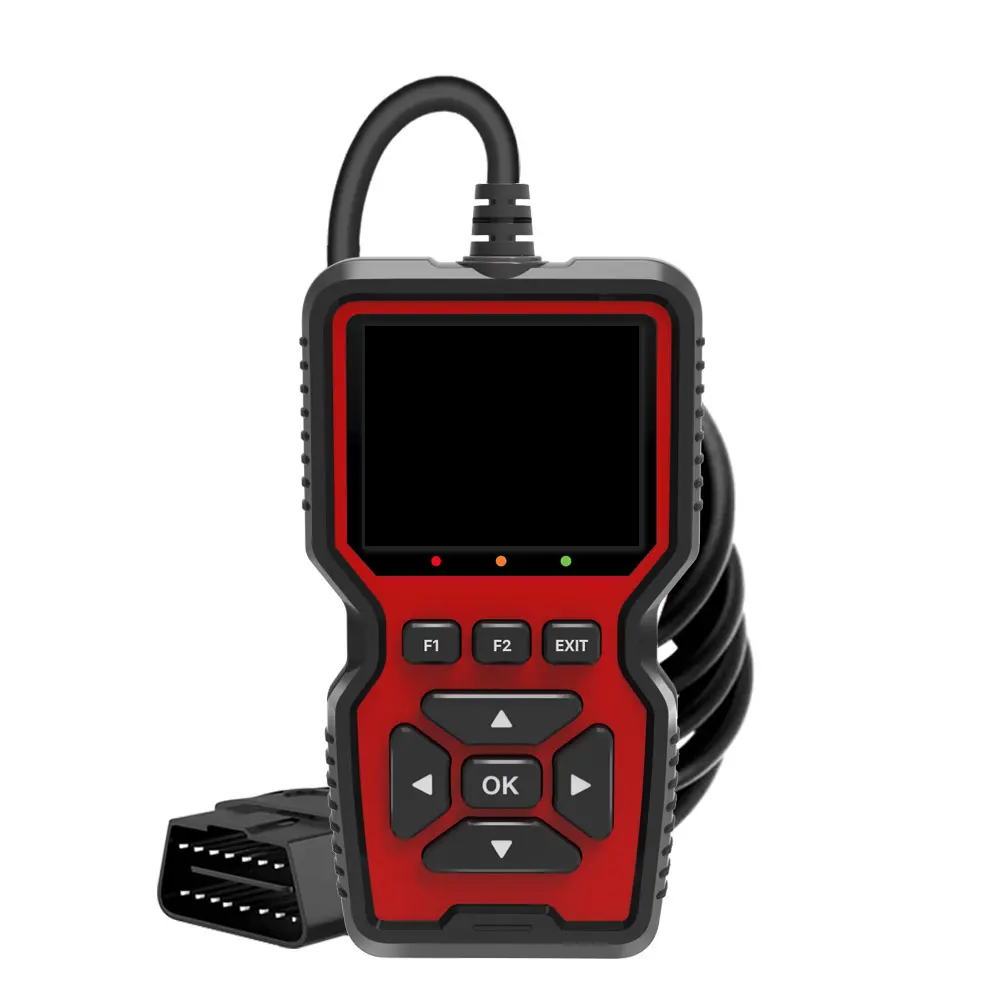
Diagnosing P1383 requires a methodical approach, utilizing a professional-grade OBD-II scanner, a digital multimeter (DMM), and thorough visual inspection.
- Verify the Code and Freeze Frame Data: Connect an OBD-II scanner to confirm P1383. Review the freeze frame data associated with the code. This data provides critical information about engine conditions (RPM, load, coolant temperature, VCT commanded vs. actual angles) at the moment the fault was detected, which can help narrow down the diagnostic path.
- Check Engine Oil Level and Condition: This is a fundamental step. Verify that the engine oil level is correct and that the oil itself is not excessively dirty, sludgy, or diluted. Low oil or contaminated oil is a common cause of VCT system malfunctions. Recommend an oil and filter change if the oil condition is poor.
- Visual Inspection of VVT Components and Wiring:
- Carefully inspect the wiring harness and electrical connector for the Bank 1 VVT solenoid and the Bank 1 CMP sensor. Look for signs of chafing, fraying, corrosion, loose connections, or physical damage.
- Inspect the VVT solenoid for any external oil leaks or signs of physical damage.
- Electrical Testing of the VVT Solenoid (Bank 1):
- Disconnect the electrical connector from the Bank 1 VVT solenoid.
- Using a DMM, measure the resistance across the solenoid’s terminals. Compare the reading to the manufacturer’s specifications (typically 6-15 ohms). An open circuit (infinite resistance) or a short circuit (near zero resistance) indicates an internal solenoid fault.
- With the key on and engine off, measure the voltage supply to the solenoid connector from the ECM/PCM. It should typically be battery voltage.
- Check for continuity between the solenoid’s ground circuit terminal at the connector and chassis ground.
- If your scanner supports bi-directional control, use it to command the VVT solenoid ON and OFF while monitoring the live data for commanded vs. actual cam angle. Listen for an audible click from the solenoid, indicating it is actuating.
- Camshaft Position (CMP) Sensor Verification (Bank 1):
- Inspect the wiring and connector for the Bank 1 CMP sensor.
- Monitor the CMP sensor’s live data stream on the OBD-II scanner. Look for erratic readings, sudden drops, or inconsistencies compared to the CKP sensor reading. While P1383 typically implies the VVT system is not achieving commanded position, an incorrect CMP sensor signal could lead the ECM to misinterpret the actual cam angle.
- Engine Oil Pressure Test: If electrical components test good, perform an engine oil pressure test using a mechanical gauge. Verify that the engine’s oil pressure meets manufacturer specifications at idle and at 2000 RPM. Low overall oil pressure can directly impair VCT operation.
- Mechanical Inspection (Advanced): If all electrical, oil level, and pressure tests are satisfactory, the fault likely lies within the mechanical components of the cam phaser itself, or potentially the timing chain system. This often requires more invasive procedures such as removing the valve cover and/or timing cover to visually inspect the cam phaser, timing chain, tensioner, and guides for wear or damage.
Recommended Repairs and Solutions
Once the root cause of P1383 has been accurately diagnosed, implement the appropriate repair:
- Engine Oil and Filter Service: If low oil level, contaminated oil, or incorrect oil viscosity was identified, perform an immediate engine oil and filter change using the manufacturer-specified oil type and viscosity. This is often the simplest and most cost-effective first step.
- Replace VVT Solenoid (OCV) (Bank 1): If electrical testing or bi-directional control confirms a faulty VVT solenoid, replace it. Always opt for an OEM or high-quality aftermarket solenoid to ensure proper function and longevity.
- Mechanic’s Tip: Before installing a new solenoid, ensure its oil screen is clean and inspect the bore it slides into for any obstructions or damage.
- Repair Wiring and Connectors: If damaged wiring or corroded connectors were identified, repair or replace them using appropriate automotive wiring repair kits and heat-shrink tubing to ensure a robust, weather-sealed connection.
- Replace Camshaft Position (CMP) Sensor (Bank 1): If the CMP sensor was diagnosed as faulty and providing an inaccurate or intermittent signal.
- Replace Camshaft Phaser / Actuator (Bank 1): If the cam phaser is determined to be mechanically stuck, worn, or otherwise defective (often indicated by rattling noises from the timing cover area at idle or cold start, and confirmed by other diagnostic steps). This is a more involved repair, typically requiring specialized timing tools and removal of the timing cover.
- Mechanic’s Tip: When replacing a cam phaser, it is highly recommended to inspect the entire timing chain system (chain, tensioner, guides) for wear, especially on high-mileage engines. Replacing related components while the timing cover is already off can prevent future, more costly repairs.
- Address Low Oil Pressure: If a general low engine oil pressure condition was diagnosed, this may necessitate further investigation into the oil pump, oil pickup tube, or internal engine wear to restore proper oil pressure.
- ECM/PCM Reprogramming or Replacement: This should be considered only as a last resort after all other components have been thoroughly tested and verified to be functioning correctly. Ensure any replacement ECM/PCM is properly programmed to the vehicle’s specific VIN and options.