What Does Code P0438 Mean?
DTC P0438 indicates that the Engine Control Module (ECM), also known as the Powertrain Control Module (PCM), has detected an abnormally high voltage input from the Catalyst Temperature Sensor on Bank 2. The catalyst temperature sensor is a critical component within the exhaust system, typically a Negative Temperature Coefficient (NTC) thermistor, whose primary function is to monitor the temperature of the catalytic converter. This sensor provides feedback to the ECM/PCM, allowing it to protect the catalytic converter from overheating, which can lead to permanent damage and reduced emissions efficiency. Additionally, the ECM/PCM utilizes this data to optimize catalyst operation and fuel trimming strategies.
The “High Input” condition signifies that the voltage signal from the sensor to the ECM/PCM is exceeding the manufacturer’s specified maximum operating range. In a typical NTC thermistor circuit, where resistance decreases as temperature increases, and the sensor is part of a voltage divider circuit with a pull-up resistor, an open circuit within the sensor or its wiring would cause the signal voltage to rise towards the reference voltage (e.g., 5 volts). This elevated voltage is interpreted by the ECM/PCM as an improbable, extremely high, or even infinite temperature, triggering the P0438 code. The affected subsystem is the emissions control system and, indirectly, engine management, as the ECM/PCM may enter a default “limp home” mode or adjust fuel delivery based on faulty temperature readings. Bank 2 refers to the cylinder bank that does not contain cylinder #1 (e.g., the passenger side on a V-engine in a transversely mounted setup, or the driver’s side on a longitudinally mounted engine).
Common Symptoms
- Check Engine Light (MIL) Illumination: The most common and direct symptom.
- Reduced Engine Performance: While not always immediately noticeable, the ECM/PCM may enter a failsafe mode, affecting engine timing and fuel delivery.
- Increased Fuel Consumption: In some cases, the ECM/PCM may adjust fuel trim to compensate for perceived (but incorrect) catalyst temperature, leading to richer fuel mixtures.
- Failure of Emissions Inspection: The illuminated MIL and potential emissions system malfunction will cause the vehicle to fail mandatory emissions testing.
- No Noticeable Driveability Symptoms: Depending on the vehicle’s make and model, the driver might not experience any noticeable change in how the vehicle performs, as the sensor’s primary role is monitoring.
What Causes the Code P0438?
- Faulty Catalyst Temperature Sensor (Bank 2): The sensor itself has failed internally, often becoming an open circuit or developing a short, causing it to send an erroneously high voltage signal.
- Open Circuit in the Sensor Wiring Harness: A broken or compromised wire in the signal circuit between the catalyst temperature sensor and the ECM/PCM.
- Short to Voltage in the Sensor Wiring Harness: The signal wire from the sensor has chafed and is making contact with a B+ (battery voltage) or another 12-volt supply wire.
- Corroded or Loose Electrical Connectors: Poor connection at either the sensor side or the ECM/PCM side, increasing resistance or creating an intermittent open circuit.
- Faulty Engine Control Module (ECM/PCM): Although rare, an internal fault within the ECM/PCM’s dedicated input circuit for the Bank 2 catalyst temperature sensor can cause this code.
How to Diagnose and Troubleshoot
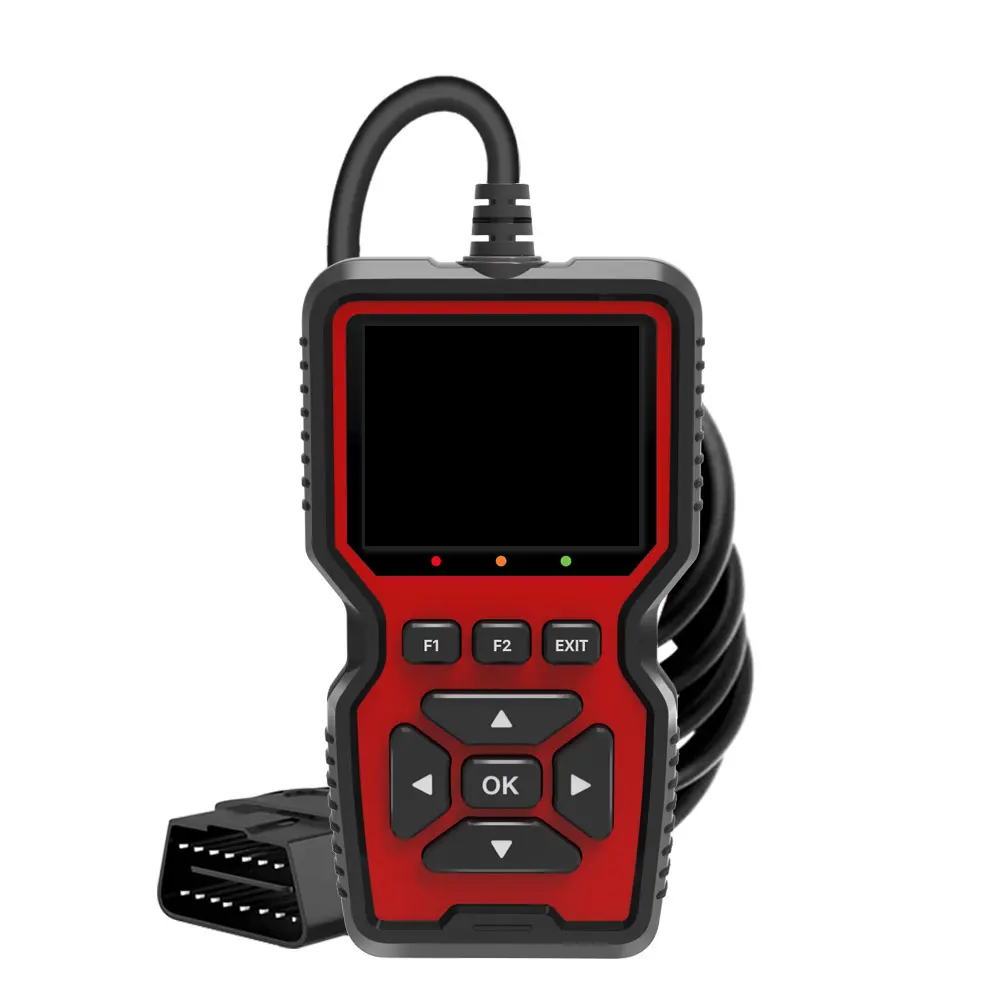
Diagnosing P0438 requires a systematic approach using a Digital Multimeter (DMM), an OBD-II scanner, and careful visual inspection.
- Visual Inspection:
- Begin with a thorough visual inspection of the catalyst temperature sensor on Bank 2 and its associated wiring harness. Look for signs of physical damage, chafing, corrosion, or loose connections. Pay close attention to areas where the harness might contact hot exhaust components or sharp edges.
- Inspect the sensor’s connector for bent pins, corrosion, or contamination.
- OBD-II Scanner Diagnostics:
- Connect an OBD-II scanner and retrieve any pending or stored Diagnostic Trouble Codes (DTCs). Note any related codes that might point to a broader electrical issue.
- Review Freeze Frame Data to understand engine operating conditions (engine RPM, load, coolant temperature, vehicle speed) at the moment the P0438 code was set. This can provide context for the failure.
- Monitor live data for the Catalyst Temperature Sensor Bank 2. Observe its voltage reading. A persistent maximum voltage (e.g., 4.9V or 5V on a 5V reference circuit) or an implausibly high temperature reading (e.g., over 1200°C) when the engine is cold or at operating temperature strongly suggests a fault.
- Compare the Bank 2 sensor reading to the Bank 1 catalyst temperature sensor (if applicable and the vehicle has dual catalytic converters and sensors). Significant discrepancies are a strong indicator of a fault on Bank 2.
- Clear the DTCs and perform a test drive under varying conditions to see if the code immediately returns.
- Digital Multimeter (DMM) Tests:
- Sensor Resistance Test: Disconnect the electrical connector from the Bank 2 catalyst temperature sensor. Using a DMM set to ohms, measure the resistance across the two sensor terminals. Compare this reading to manufacturer specifications, which often provide a resistance-to-temperature chart. An open circuit will display infinite resistance (OL or ‘1’ on most DMMs), which is a common cause for P0438.
- Voltage Check at Harness Connector (Key On, Engine Off – KOEO): With the sensor disconnected, turn the ignition to the KOEO position. Using the DMM, back-probe or carefully check the voltage at the sensor’s harness connector. You should typically find a reference voltage (often 5V or 12V, depending on the sensor type and circuit design) on one wire and a ground on another. A high input on the signal wire when it should be grounded or receiving a lower voltage indicates a short to voltage.
- Continuity Test of Wiring Harness: Turn the ignition off. Disconnect both the sensor connector and the ECM/PCM connector (consult service manual for pinouts). Perform continuity checks on the signal, reference, and ground wires between the sensor connector and the ECM/PCM connector. Any open circuit indicates a broken wire. Also, check for shorts to ground and shorts to B+ on each wire by probing one DMM lead to the wire and the other to chassis ground or a constant 12V source.
Recommended Repairs and Solutions
Based on diagnostic findings, the following repairs are typically recommended:
- Replace the Catalyst Temperature Sensor (Bank 2): This is the most frequent solution if the sensor itself fails the resistance test or shows an erratic/fixed high voltage reading in live data. Ensure the replacement sensor is an OEM equivalent or a high-quality aftermarket part to guarantee proper functionality and longevity.
- Repair or Replace Damaged Wiring Harness: If visual inspection or continuity tests reveal an open circuit or a short to voltage in the wiring, repair the damaged section of the harness. Use appropriate connectors, soldering techniques (if necessary), and heat shrink tubing to ensure durable, weather-resistant repairs. Re-route the wiring to prevent future damage from heat or abrasion.
- Clean and Secure Electrical Connectors: If corrosion or loose connections are found, thoroughly clean the connector terminals using an electrical contact cleaner and a small brush. Apply dielectric grease to protect against future corrosion and ensure a secure connection.
- ECM/PCM Replacement (Rare): Only consider ECM/PCM replacement as a last resort, after all other components and wiring have been meticulously tested and ruled out. ECM/PCM replacement is expensive and typically requires specialized programming and calibration.
After any repair, clear the DTCs using an OBD-II scanner. Perform a comprehensive drive cycle, including varying engine speeds and temperatures, to allow the ECM/PCM to re-run its diagnostic monitors and confirm that the repair has been successful and the P0438 code does not return.