What Does Code P0434 Mean?
The diagnostic trouble code P0434 signifies that the Engine Control Module (ECM) or Powertrain Control Module (PCM) has detected that the temperature of the heated catalytic converter on Bank 2 is operating below its specified operational threshold. This indicates that the catalyst is not reaching its optimal operating temperature within the expected timeframe or is failing to maintain it. The heating element in the catalytic converter is designed to rapidly bring the catalyst to operating temperature during cold start-up, enhancing emissions reduction before the exhaust gases alone can sufficiently heat it. Bank 2 refers to the side of the engine that does not contain cylinder #1, typically the passenger side on transverse engines or the left side on longitudinal engines (for vehicles where cylinder #1 is on the right/driver’s side).
Common Symptoms
- Illuminated Malfunction Indicator Lamp (MIL), commonly known as the “Check Engine” light, on the dashboard.
- Potential failure of emissions inspection due to the inability of the catalyst to achieve optimal efficiency.
- Slightly reduced fuel economy, though this is often a secondary or long-term effect rather than a direct, immediate symptom of just the heater not working.
- No noticeable drivability issues, as this code primarily concerns the efficiency of the catalyst heating system rather than engine performance.
What Causes the Code P0434?
- Faulty Heated Catalyst Temperature Sensor (Bank 2): The sensor itself may be providing an inaccurate low temperature reading, or it could be internally open or shorted.
- Open or Short in the Heated Catalyst Temperature Sensor Circuit (Bank 2): Damaged wiring, corroded connectors, or a compromised harness leading to or from the sensor.
- Failure of the Catalyst Heater Element (Bank 2): The internal electrical heating element designed to warm the catalyst quickly may be faulty, open-circuited, or burned out.
- Problem with the Catalyst Heater Control Module or Relay (Bank 2): The module or relay responsible for supplying power to the heater element may be malfunctioning, preventing the heater from activating or receiving sufficient current.
- ECM/PCM Internal Fault: While less common, an internal failure within the ECM/PCM that affects its ability to monitor the sensor or control the heater circuit can trigger this code.
How to Diagnose and Troubleshoot
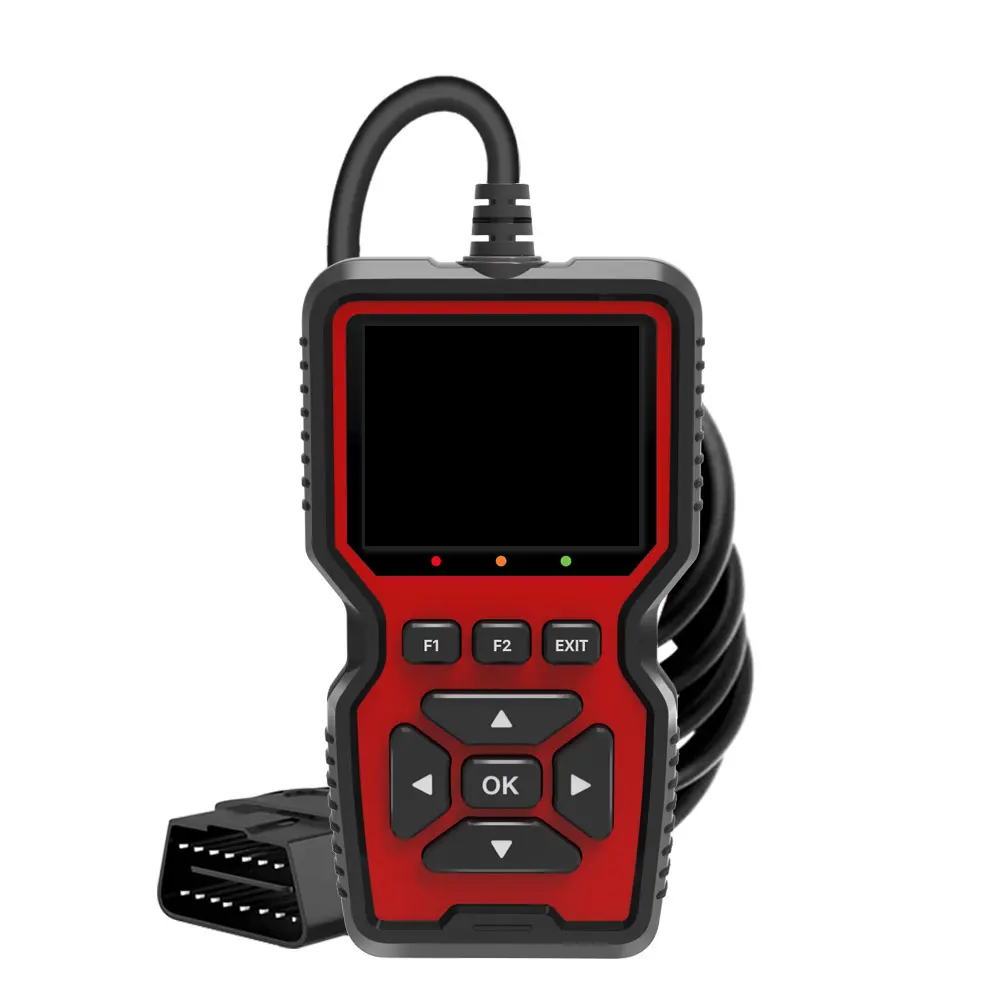
1. Verify and Document Freeze Frame Data: Connect an OBD-II scan tool to confirm the presence of P0434 and record any associated freeze frame data. This provides valuable information about engine operating conditions (engine RPM, coolant temp, vehicle speed) at the moment the code was set, which can aid in diagnosis.
2. Conduct a Thorough Visual Inspection: Carefully examine the wiring harness and electrical connectors for the heated catalyst temperature sensor and the heater element on Bank 2. Look for signs of chafing, fraying, corrosion, melted insulation, or loose connections. Pay close attention to areas where the harness might contact exhaust components.
3. Test Heated Catalyst Temperature Sensor Circuit:
- With the ignition ON and engine OFF, use a Digital Multimeter (DMM) to back-probe the temperature sensor connector. Check for the specified reference voltage (typically 5V) from the ECM/PCM and a good ground signal.
- Measure the resistance of the temperature sensor itself (if accessible and specified by the manufacturer) by disconnecting it. Compare the reading to factory specifications at ambient temperature. An out-of-spec reading indicates a faulty sensor.
- Check for continuity in the sensor’s signal wire back to the ECM/PCM connector to rule out an open circuit.
4. Test Catalyst Heater Element and Circuit:
- Disconnect the electrical connector for the catalyst heater element on Bank 2.
- Using a DMM, measure the resistance across the heater element terminals. An infinite reading (open circuit) or a reading significantly outside of manufacturer specifications indicates a faulty heater element.
- With the engine cold, activate the catalyst heater using a bidirectional scan tool (if available) or during a cold start. Use the DMM to check for battery voltage at the heater element’s power supply terminal and a good ground at the control side. If no voltage is present, diagnose the heater control relay or module and its power supply.
5. Scan Tool Live Data Analysis: Monitor live data for the heated catalyst temperature sensor (if available) on your scan tool. Compare its reading to ambient air temperature when the engine is cold. After engine start-up, observe if the temperature reading increases as expected. If the reading is stuck low, erratic, or shows no change, it confirms a sensor or circuit issue.
Recommended Repairs and Solutions
1. Replace Faulty Heated Catalyst Temperature Sensor: If diagnostic tests confirm that the sensor itself is providing incorrect readings or has an internal fault, replacement is necessary. Ensure the correct sensor for Bank 2 is installed.
2. Repair or Replace Damaged Wiring/Connectors: If the visual inspection or electrical tests reveal damaged wiring, corroded terminals, or loose connectors, these components must be repaired using professional automotive wiring techniques (e.g., solder and heat shrink) or replaced entirely.
3. Replace Faulty Catalyst Heater Element: If the heater element itself is found to be open-circuited or otherwise defective, it must be replaced. Important Note: On many modern vehicles, the catalyst heater element is an integral part of the catalytic converter assembly. In such cases, replacing the heater element often necessitates replacing the entire catalytic converter on Bank 2, which can be a significant expense.
4. Replace Catalyst Heater Control Module or Relay: If diagnostics point to a malfunction in the dedicated control module or relay responsible for powering the catalyst heater, replacement of that specific component is required.
5. ECM/PCM Replacement/Reprogramming: Only consider this as a last resort, after all other components and wiring have been thoroughly tested and confirmed to be functioning correctly. ECM/PCM replacement usually requires specialized programming.
Mechanic’s Tip: Always clear the diagnostic trouble codes after performing repairs and conduct a comprehensive drive cycle to ensure the system monitors complete and the P0434 code does not reappear. Pay close attention to connector seating, especially in areas exposed to heat and moisture.