What Does Code P1534 Mean?
The OBD-II diagnostic trouble code P1534, signifying “Inertia Switch Activated,” indicates that the Powertrain Control Module (PCM), or Engine Control Module (ECM) in some applications, has detected that the Inertia Fuel Shutoff (IFS) switch has tripped. The IFS switch is a critical passive safety device designed to cut electrical power to the fuel pump in the event of a sudden impact, collision, or severe deceleration, thereby preventing fuel leaks and potential fires. When activated, the switch creates an open circuit, interrupting the fuel pump’s power supply. The PCM monitors the state of this switch, often by monitoring the voltage drop across it or the continuity of the fuel pump circuit. Upon detecting the open circuit condition that signifies a tripped switch, the PCM sets code P1534 and illuminates the Malfunction Indicator Lamp (MIL). This action prevents the fuel pump from operating, leading to a no-start or engine stall condition, as fuel delivery to the engine is ceased.
Common Symptoms
- Engine cranks but does not start: This is the most prevalent symptom, as the fuel pump is de-energized, preventing fuel delivery.
- No fuel pump prime audible: When the ignition is cycled to the “ON” position, the characteristic hum of the fuel pump priming will be absent.
- Engine stalls suddenly while driving: If the inertia switch trips due to a jolt or impact while the vehicle is in motion, the engine will immediately lose fuel pressure and stall.
- Malfunction Indicator Lamp (MIL) illuminated: The “Check Engine” light will be illuminated on the dashboard.
What Causes the Code P1534?
- Actual vehicle impact or collision: The primary and intended reason for the inertia switch to activate is a vehicular accident or significant impact.
- Faulty or overly sensitive inertia switch: The internal mechanism of the switch can degrade over time, leading to erroneous tripping due to normal road vibrations, potholes, or minor bumps that would not typically activate it.
- Wiring harness open circuit or short: An interruption (open circuit) in the electrical wiring between the inertia switch and the fuel pump relay or the PCM can mimic a tripped switch. This could be due to chafing, corrosion, or a loose connector.
- Loose or corroded electrical connector: Poor contact at the inertia switch connector or in the fuel pump circuit can cause intermittent or constant activation readings.
- Internal PCM fault: While less common, a rare internal defect within the PCM could misinterpret the signal from the inertia switch, though this would typically be accompanied by other diagnostic trouble codes.
How to Diagnose and Troubleshoot
Diagnosing P1534 requires a systematic approach, focusing on the inertia switch and its associated circuitry.
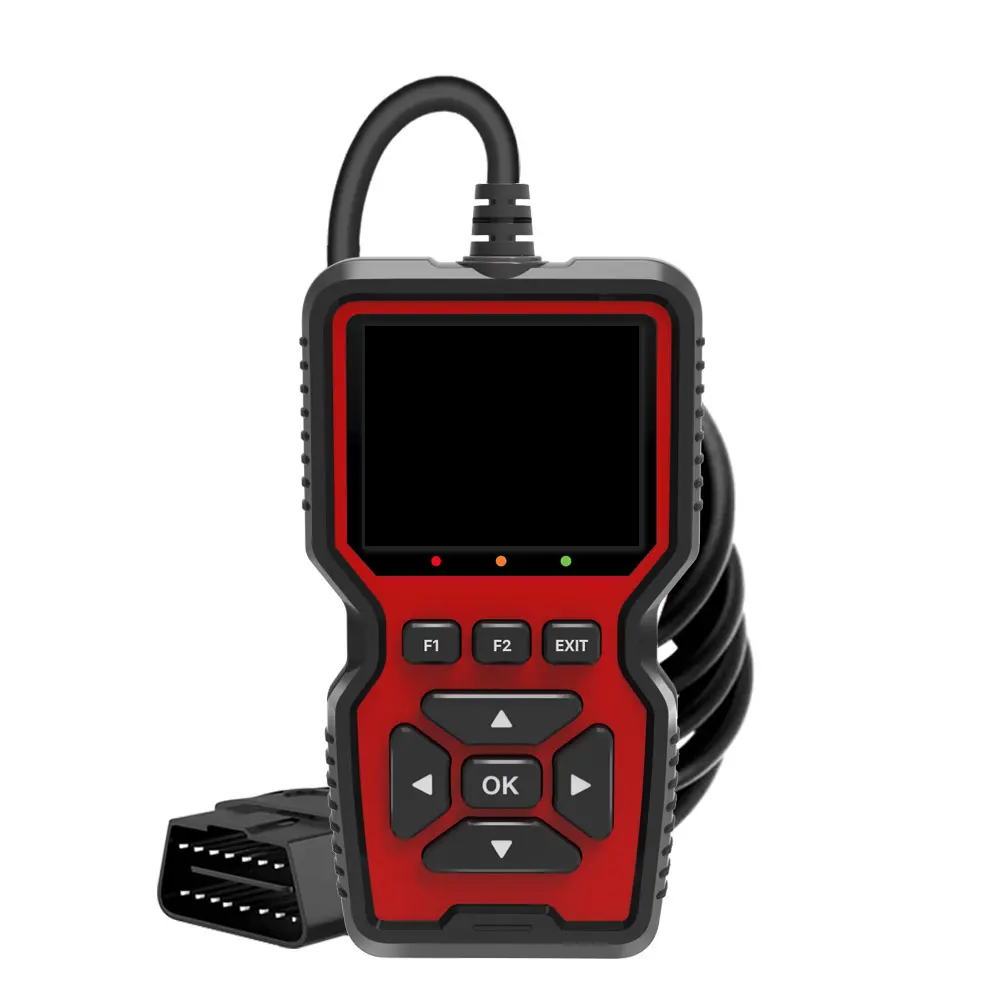
- Verify the Code and Check for Additional Codes: Connect an OBD-II scanner to confirm P1534 is the primary code. Check for any other related fuel system or sensor codes that might provide additional insight.
- Visual Inspection for Impact: Thoroughly inspect the vehicle for any signs of recent collision, impact, or damage that could have legitimately tripped the switch.
- Locate and Inspect the Inertia Switch: Consult the vehicle’s service manual for the exact location of the inertia fuel shutoff switch (common locations include under the dashboard, in the trunk, or behind a kick panel). Visually inspect the switch for any physical damage, loose wiring, or corroded terminals.
- Attempt to Reset the Inertia Switch: Most inertia switches have a prominent reset button (often red or black). Firmly press the button to ensure it is fully engaged. After resetting, cycle the ignition key to the ON position and listen for the fuel pump to prime.
- Perform a Fuel Pump Operation Check: If the engine still does not start after resetting the switch, turn the ignition to the ON position and listen for the fuel pump to hum briefly from the rear of the vehicle. If no sound is heard, or if the engine still won’t start, proceed to electrical testing.
- Electrical Circuit Testing with a Digital Multimeter (DMM):
- Check for Power Supply to the Switch: Disconnect the electrical connector from the inertia switch. Using a DMM, check for battery voltage (B+) at the input terminal of the inertia switch connector with the ignition ON. If no voltage is present, diagnose the power supply circuit back to the fuel pump relay or PCM.
- Check Switch Continuity: With the ignition OFF and the switch connector disconnected, use the DMM in continuity or resistance mode to test across the inertia switch’s terminals. When the switch is properly reset, it should show very low resistance (near 0 ohms), indicating continuity. If tripped, it should show an open circuit (OL or infinite resistance). If it shows an open circuit when reset, the switch is faulty.
- Check Output from the Switch: If the switch tests good for continuity when reset, reconnect the connector. Probe the output side of the switch (often done by carefully back-probing the connector) for battery voltage when the ignition is ON. If the input side has power but the output does not, and the switch is reset, the switch is faulty internally.
- Test Wiring Harness Integrity: Perform continuity and resistance checks on the wiring harness between the inertia switch connector and the fuel pump relay/PCM to identify any open circuits, shorts to ground, or excessive resistance.
- Check Fuel Pressure: Connect a fuel pressure gauge to the fuel rail. Cycle the ignition to ON (or crank) and observe fuel pressure. If the switch is reset and electrical tests pass, but there’s no fuel pressure, consider the fuel pump itself or a continued electrical issue downstream from the switch.
Recommended Repairs and Solutions
The appropriate repair for P1534 depends directly on the root cause identified during diagnosis.
- Reset the Inertia Switch: If the switch was legitimately tripped by an impact or simply dislodged by a severe jolt, the simplest solution is often to firmly press the reset button. After resetting, cycle the ignition and attempt to start the engine. Always confirm the presence of fuel pump prime.
- Repair Impact Damage: If the vehicle sustained an impact, address any structural or body damage before assuming the vehicle is safe to operate. Ensure no fuel lines or electrical wires were compromised.
- Replace the Inertia Switch: If diagnostic tests reveal that the inertia switch is faulty (e.g., trips erroneously, fails continuity tests when reset, or does not pass power through when it should), replacement is necessary. This is a common failure point due to age or internal component fatigue.
- Repair Wiring Harness or Connectors: If electrical testing indicates an open circuit, a short, or high resistance in the wiring between the switch and the fuel pump relay/PCM, meticulously repair the damaged sections of the harness. Ensure all connections are secure, clean, and free of corrosion. Replace corroded connectors as needed.
- Clear Diagnostic Codes: After any repair, use an OBD-II scanner to clear the P1534 code and any other related codes. Perform a test drive to ensure the issue does not return and that the fuel system operates normally.
Mechanic’s Tip: Always consult the vehicle manufacturer’s specific service information for the exact location of the inertia switch, wiring diagrams, and testing procedures. When working with fuel systems, always take appropriate safety precautions, including disconnecting the battery and relieving fuel pressure if necessary. Verify the functionality of the fuel pump after any repair to ensure proper fuel delivery.