What Does Code P1196 Mean?
Diagnostic Trouble Code (DTC) P1196 signifies that the Powertrain Control Module (PCM), also known as the Engine Control Module (ECM), has detected an abnormally high voltage condition on a specific circuit when the ignition key is in the “OFF” position. This “Key Off Voltage High” condition typically indicates that a circuit, which should be de-energized or at a low-reference voltage state when the vehicle is off, is instead receiving an unexpected power supply or is experiencing a short to battery voltage. While P1196 is a manufacturer-specific code, it commonly relates to the fuel pressure sensor circuit, the fuel pump control module circuit, or occasionally an oxygen sensor heater circuit, depending on the vehicle make and model. The PCM monitors the voltage on these critical circuits continuously, and when it registers a voltage above a predefined threshold for a set period after the ignition has been turned off, it triggers P1196, illuminating the Malfunction Indicator Lamp (MIL). This issue can lead to various drivability concerns and, in some cases, a parasitic draw on the battery.
Common Symptoms
- Malfunction Indicator Lamp (MIL) Illumination: The “Check Engine” light will be illuminated on the dashboard.
- Hard Starting or No-Start Condition: Particularly after the vehicle has been sitting for a period, due to incorrect fuel pressure readings or an active fuel pump when it should be off.
- Rough Idling or Stalling: If the fuel pressure regulation is compromised due to an erroneous signal.
- Reduced Fuel Economy: Unintended fuel system activation or incorrect sensor readings can lead to inefficient fuel delivery.
- Battery Drain/Parasitic Draw: If the circuit remains energized when the key is off, it can drain the battery over time.
What Causes the Code P1196?
- Short to Voltage in Wiring: The most common cause is a chafed or damaged wire in the affected circuit that is making intermittent or constant contact with a positive battery voltage source, even when the ignition is off.
- Faulty Fuel Pressure Sensor or Regulator: An internal short or defect within the fuel pressure sensor or the electronic fuel pressure regulator itself can cause it to improperly feedback a high voltage signal to the PCM when it should be quiescent.
- Defective Fuel Pump Control Module (FPCM): If the vehicle is equipped with an FPCM, an internal fault within the module could cause it to output voltage to the fuel pump or sensor circuit even after the ignition is switched off.
- Corroded or Damaged Connectors: Corrosion within electrical connectors can create resistive shorts or allow voltage to bleed across terminals to the monitored circuit.
- Internal PCM Fault: Though less common, a rare internal failure within the PCM could cause it to misinterpret voltage readings or, in extreme cases, improperly supply voltage to a de-energized circuit.
How to Diagnose and Troubleshoot
A systematic diagnostic approach is crucial for P1196 due to its specific “Key Off Voltage High” characteristic. Always begin with a thorough visual inspection and utilize OEM wiring diagrams specific to the vehicle.
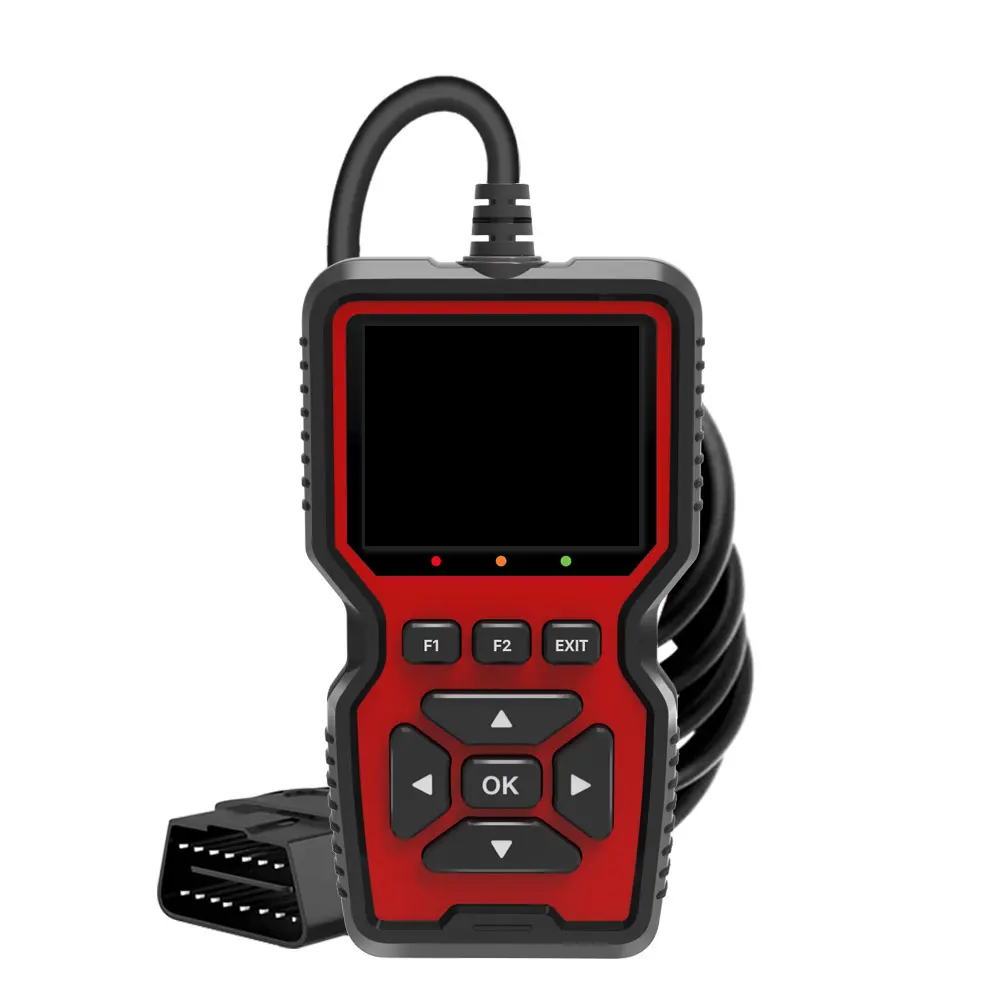
- Retrieve and Analyze Freeze Frame Data: Connect an OBD-II scanner to record freeze frame data associated with P1196. This data captures the engine conditions (RPM, engine load, coolant temp, etc.) at the moment the code was set, providing valuable clues. Clear the DTCs and attempt to replicate the conditions, noting if the code immediately returns.
- Visual Inspection: With the ignition OFF and battery disconnected (if working on wiring), meticulously inspect the wiring harness and connectors for the identified circuit (consult an OEM wiring diagram for the P1196 related circuit for your specific vehicle). Look for signs of chafing, pinching, corrosion, or heat damage, especially where the harness passes through firewalls, over sharp edges, or near moving components. Pay close attention to the fuel pressure sensor, fuel pump, and PCM connectors.
- Voltage Measurement (Key Off):
- Identify the Suspect Circuit: Using the OEM wiring diagram, identify the specific wire(s) that the PCM monitors for “Key Off Voltage High” related to P1196. This is often a signal or reference wire for a fuel pressure sensor or a control wire for the FPCM.
- Test at the Sensor/Module: With the ignition OFF and the battery connected, back-probe the signal/reference wire at the suspected component’s connector (e.g., fuel pressure sensor). Use a digital multimeter (DMM) set to DC Volts and measure the voltage between the suspect wire and a known good chassis ground. A reading significantly above 0V (e.g., 5V, 12V, or anything non-zero) confirms the “Key Off Voltage High” condition at this point.
- Isolate the Component: Disconnect the suspected component (e.g., fuel pressure sensor, FPCM). Re-measure the voltage at the harness connector’s suspect wire.
- If the voltage now drops to 0V, the component itself is likely internally shorted and causing the voltage bleed.
- If the voltage remains high, the issue lies in the wiring harness between the component and the PCM, or potentially within an upstream control module (like the PCM or FPCM if it’s external to the component).
- Continuity and Resistance Checks:
- Check for Short to Power: With the battery disconnected and the PCM connector unplugged, use the DMM set to continuity or resistance mode. Test for continuity between the suspect wire at the harness (for the component you disconnected) and a known constant 12V supply wire (e.g., at the battery positive terminal, or a fused B+ wire). Any continuity indicates a short to battery voltage.
- Check for Short to Ground: Also check for continuity between the suspect wire and chassis ground. While “Key Off Voltage High” suggests a short to power, a short to ground in a different part of the circuit could also influence voltage readings.
- PCM Terminal Inspection: With the battery disconnected, carefully inspect the PCM harness connectors for any bent pins, corrosion, or signs of moisture ingress. Ensure proper seating.
Recommended Repairs and Solutions
Once the source of the “Key Off Voltage High” condition has been precisely identified through diagnosis, the following repairs are commonly indicated:
- Repair or Replace Damaged Wiring: If the diagnostic steps reveal a short to voltage in the wiring harness, the damaged section of wire must be carefully repaired using appropriate automotive-grade connectors and heat-shrink tubing, or the entire sub-harness may need replacement. Ensure proper routing to prevent future chafing.
- Replace Faulty Fuel Pressure Sensor or Regulator: If the sensor or regulator itself was identified as the source of the voltage bleed, it must be replaced with an OEM equivalent part. Always confirm proper functionality after replacement by monitoring live data and clearing codes.
- Replace Defective Fuel Pump Control Module (FPCM): If the FPCM is found to be internally shorted, causing voltage to be supplied when the ignition is off, it will require replacement. Be aware that some FPCMs may require programming after installation.
- Clean Corroded Connectors: If corrosion was found, disconnect the battery, thoroughly clean the affected terminals with an appropriate electrical contact cleaner and a small brush, then apply dielectric grease to prevent future corrosion before reassembly.
- PCM Replacement (Rare): Only consider replacing the PCM as a last resort, after meticulously ruling out all other external components and wiring issues. PCM replacement often requires reprogramming to the vehicle’s VIN and immobilizer system, which can be complex and expensive.
- Verify Repair: After any repair, clear the DTCs with an OBD-II scanner. Perform a thorough road test under various driving conditions, including several ignition cycles (turning the vehicle off and on), to ensure the code does not return and that all system monitors reset to “ready.” Check for any parasitic battery drain post-repair.