What Does Code P1230 Mean?
DTC P1230 signifies a Fuel Pump Low Speed Malfunction detected by the Powertrain Control Module (PCM) or Fuel Pump Control Module (FPCM). In modern vehicles equipped with variable-speed fuel delivery systems, the FPCM is typically responsible for modulating the voltage and current supplied to the fuel pump, thereby controlling its speed and output pressure. This control is often achieved using a Pulse Width Modulation (PWM) signal from the PCM, which commands the FPCM to increase or decrease fuel pump activity based on engine load, RPM, manifold absolute pressure, and other operational parameters.
Code P1230 indicates that the FPCM or PCM has detected an issue with the fuel pump’s ability to operate correctly at a commanded low-speed setting. This could mean that the pump is not reaching the desired low speed, drawing an incorrect amount of current (either too high due to internal resistance or too low due to an open circuit), or that a feedback circuit indicates a deviation from the expected low-speed performance. The system’s self-diagnostic logic identifies this discrepancy, illuminates the Malfunction Indicator Lamp (MIL), and stores the P1230 code. This malfunction directly affects the fuel delivery subsystem, potentially compromising fuel pressure regulation during conditions requiring minimal fuel flow, such as idle or light throttle applications.
Common Symptoms
- Difficulty Starting or Extended Crank Time: Especially noticeable during cold starts, as insufficient initial fuel pressure can hinder combustion.
- Engine Hesitation or Stalling: Occurs particularly at idle or low engine speeds when the fuel pump’s low-speed operation is critical.
- Reduced Engine Performance: A noticeable lack of power or sluggish acceleration under light load conditions.
- Intermittent Engine Misfires: Due to an inconsistent or insufficient fuel supply to the injectors.
- Illuminated Malfunction Indicator Lamp (MIL): The “Check Engine” light will be on.
- Audible Whining Noise from Fuel Tank: In some cases, a struggling fuel pump may emit an abnormal noise from the rear of the vehicle.
What Causes the Code P1230?
- Faulty Fuel Pump Control Module (FPCM): The most common culprit, where the FPCM fails to correctly send the commanded PWM signal or properly monitor the fuel pump’s operation.
- Damaged or Corroded Wiring Harness: Breaks, shorts, or high resistance in the wiring between the FPCM and the fuel pump, or in the FPCM’s power/ground circuits.
- Defective Fuel Pump Assembly: Internal wear, a clogged fuel strainer, or a failing motor within the fuel pump can cause it to draw excessive current or fail to achieve commanded speeds, particularly at lower demands.
- Corroded or Loose Electrical Connectors: Poor connectivity at the FPCM or fuel pump terminals can disrupt the control signal or power supply.
- Fuel Pressure Sensor Malfunction: While less direct, an inaccurate fuel pressure sensor can mislead the PCM/FPCM into commanding incorrect pump speeds, which the system may then interpret as a pump malfunction.
- Powertrain Control Module (PCM) Fault: Rarely, the PCM itself may be sending an incorrect command signal to the FPCM, though this is typically diagnosed after ruling out other components.
How to Diagnose and Troubleshoot
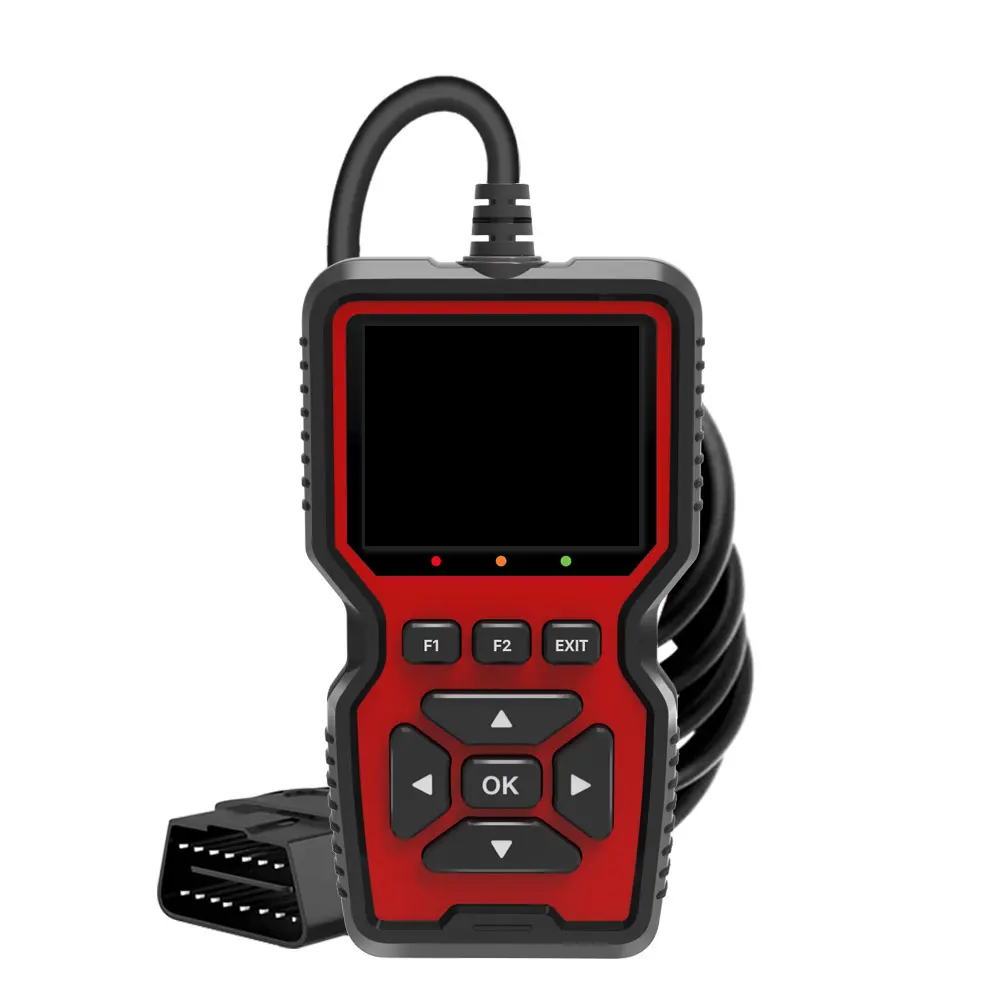
Diagnosis of P1230 requires a methodical approach, utilizing an advanced OBD-II scanner, a digital multimeter (DMM), and potentially an oscilloscope.
- Retrieve and Record DTCs: Use an OBD-II scanner to confirm P1230. Check for any related codes (e.g., fuel pressure rationality codes, FPCM communication codes) which may provide additional diagnostic direction.
- Visual Inspection:
- Inspect the wiring harness leading to the fuel pump and FPCM for any signs of damage, chafing, corrosion, or loose connections. Pay close attention to areas where the harness passes through the chassis or near exhaust components.
- Examine the FPCM for physical damage, signs of water intrusion, or corrosion on its connector pins.
- Fuel System Pressure Test:
- Connect a mechanical fuel pressure gauge to the fuel rail.
- Turn the ignition to the ON position (without starting) and note initial pressure. Start the engine and observe fuel pressure at idle.
- Use the scanner’s bi-directional controls to command different fuel pump speeds (if available) or simulate engine load. Compare observed pressure readings against manufacturer specifications for various conditions. A fluctuating or consistently low pressure at idle or light load points to a fuel delivery issue.
- FPCM Power and Ground Verification:
- With the ignition off, disconnect the FPCM connector.
- Using a DMM, check for battery voltage at the FPCM’s power input terminal(s) with the ignition ON.
- Check for continuity to ground at the FPCM’s ground terminal(s). Ensure grounds are clean and secure.
- FPCM Input Signal Analysis (PWM Command):
- Identify the PWM signal wire from the PCM to the FPCM using a wiring diagram.
- Back-probe this wire with an oscilloscope or a DMM capable of reading duty cycle/frequency. Observe the signal integrity at various engine speeds and loads. The duty cycle should vary, commanding different pump speeds. A missing or erratic signal indicates a PCM or wiring issue upstream of the FPCM.
- FPCM Output to Fuel Pump Analysis:
- Identify the power and ground wires from the FPCM to the fuel pump.
- Back-probe these wires with an oscilloscope. Observe the PWM output signal to the fuel pump at idle and during commanded low-speed operation. Compare this output to the input signal from the PCM and manufacturer specifications.
- Use an inductive amp clamp on the fuel pump power wire to measure current draw. An abnormally high current draw at low commanded speed suggests a failing fuel pump (e.g., seized bearings, worn brushes), while an abnormally low or zero current draw indicates an open circuit or a dead pump motor.
- Fuel Pump Resistance Test:
- Disconnect the fuel pump connector.
- Measure the resistance across the fuel pump terminals using a DMM. Compare this reading to the manufacturer’s specified resistance range. An open circuit (OL) or a resistance value significantly outside specification indicates an internal fuel pump fault.
- Wiring Harness Integrity Test (Load Test):
- If resistance measurements indicate good wiring, perform a load test. Connect a headlamp bulb or equivalent load between the FPCM output wire and ground (bypassing the fuel pump). Turn the ignition ON and observe if the bulb illuminates brightly. A dim bulb or no illumination suggests high resistance or an open circuit in the FPCM output or ground path to the pump.
Recommended Repairs and Solutions
Once the diagnostic steps have pinpointed the root cause, the following repairs are commonly recommended:
- Replace the Fuel Pump Control Module (FPCM): If the FPCM receives proper input signals and power/ground but fails to deliver the correct output to the fuel pump, or if its internal diagnostics indicate a fault, FPCM replacement is typically required. Ensure any necessary module programming or re-calibration is performed after installation.
- Replace the Fuel Pump Assembly: If the FPCM and associated wiring are confirmed good, but the fuel pump itself is unable to maintain correct pressure, draws incorrect current, or exhibits out-of-spec resistance, the entire fuel pump assembly (including the motor and sending unit) should be replaced. Always replace the fuel filter/strainer when replacing the pump.
- Repair Wiring or Connectors: Address any identified issues with the wiring harness or electrical connectors. This may involve splicing in new sections of wire, cleaning corrosion from terminals, or replacing damaged connectors. Always use appropriate repair techniques (e.g., soldered connections with heat shrink) to ensure long-term reliability.
- Clean Ground Connections: Ensure all ground connections for the FPCM and fuel pump circuit are clean, tight, and free from corrosion.
- PCM Reprogramming or Replacement: In rare cases, if all other components test good and the PCM is sending incorrect commands, a PCM software update or replacement may be necessary. This should always be a last resort after thorough verification of all other components.
After any repair, clear the DTCs and perform a test drive under various conditions to ensure the P1230 code does not return and that the fuel delivery system operates correctly.