What Does Code P1231 Mean?
DTC P1231 signifies a fault within the fuel pump secondary circuit, specifically indicating a low voltage or current condition when the Engine Control Module (ECM) or Powertrain Control Module (PCM) commands the fuel pump to operate at a high-speed or high-output state. Modern fuel delivery systems often employ a Fuel Pump Driver Module (FPDM) or similar control unit that receives a Pulse Width Modulated (PWM) signal from the ECM/PCM to vary the fuel pump’s speed and thus regulate fuel pressure. The “secondary circuit” refers to the wiring and components between this dedicated control module (FPDM) and the fuel pump motor itself, or potentially a separate high-speed circuit within the fuel pump assembly. When the ECM/PCM requests a high-volume, high-pressure fuel delivery (e.g., during heavy acceleration or high RPMs) and monitors the feedback or the voltage/current draw on this secondary circuit, it expects to see values consistent with the commanded high-speed operation. If the observed electrical parameters fall below a calibrated threshold for the high-speed command, indicating insufficient power delivery to the pump or excessive resistance, the P1231 code is set. This directly affects the vehicle’s ability to maintain adequate fuel pressure under demanding conditions, impacting engine performance and potentially leading to a no-start condition if the primary fuel delivery is compromised.
Common Symptoms
- Engine Hesitation or Lack of Power: Particularly noticeable during acceleration or under heavy load, as the engine starves for fuel.
- Rough Idling or Stalling: In some cases, if the low secondary circuit condition affects even moderate fuel delivery, the engine might run poorly or stall.
- Engine Misfire Codes: The lack of sufficient fuel pressure can lead to lean misfires, triggering related DTCs.
- Check Engine Light (CEL) Illumination: The primary indicator that a fault has been detected.
- Extended Crank Time or No-Start Condition: If the fuel pump cannot build sufficient pressure even at initial key-on or cranking, the engine may struggle to start or not start at all.
- Reduced Fuel Economy: Although not always immediately apparent, an inefficient fuel pump operation can negatively impact fuel consumption.
What Causes the Code P1231?
- Faulty Fuel Pump Driver Module (FPDM): The FPDM is a primary suspect. Internal component failure can prevent it from delivering the commanded voltage/current to the fuel pump motor, especially at higher speed demands.
- Damaged or Corroded Wiring/Connectors: An open circuit, short to ground, or high resistance within the secondary fuel pump circuit wiring or its connectors (e.g., at the FPDM, fuel tank pass-through, or pump itself). Corrosion can significantly increase resistance.
- Failed Fuel Pump Motor: The electric fuel pump motor itself may be failing internally. An internal short, worn brushes, or an open winding could cause it to draw insufficient current or fail to produce the required output even when commanded to high speed, leading to a low voltage/current reading on the secondary circuit.
- Faulty Fuel Pump Relay: While less common for “secondary circuit low” if an FPDM is present, a faulty main fuel pump relay or a specific high-speed relay (if applicable) could cause insufficient voltage supply to the FPDM or the pump.
- ECM/PCM Failure: Although rare, an internal fault within the ECM/PCM preventing it from sending the correct high-speed command signal to the FPDM or directly to the pump, or misinterpreting the feedback, could trigger this code.
- Clogged Fuel Filter: While primarily causing low fuel pressure, a severely restricted fuel filter can cause the pump to work harder, potentially leading to excessive current draw or, conversely, due to the high back-pressure, a perceived low current condition if the pump struggles to overcome it.
How to Diagnose and Troubleshoot
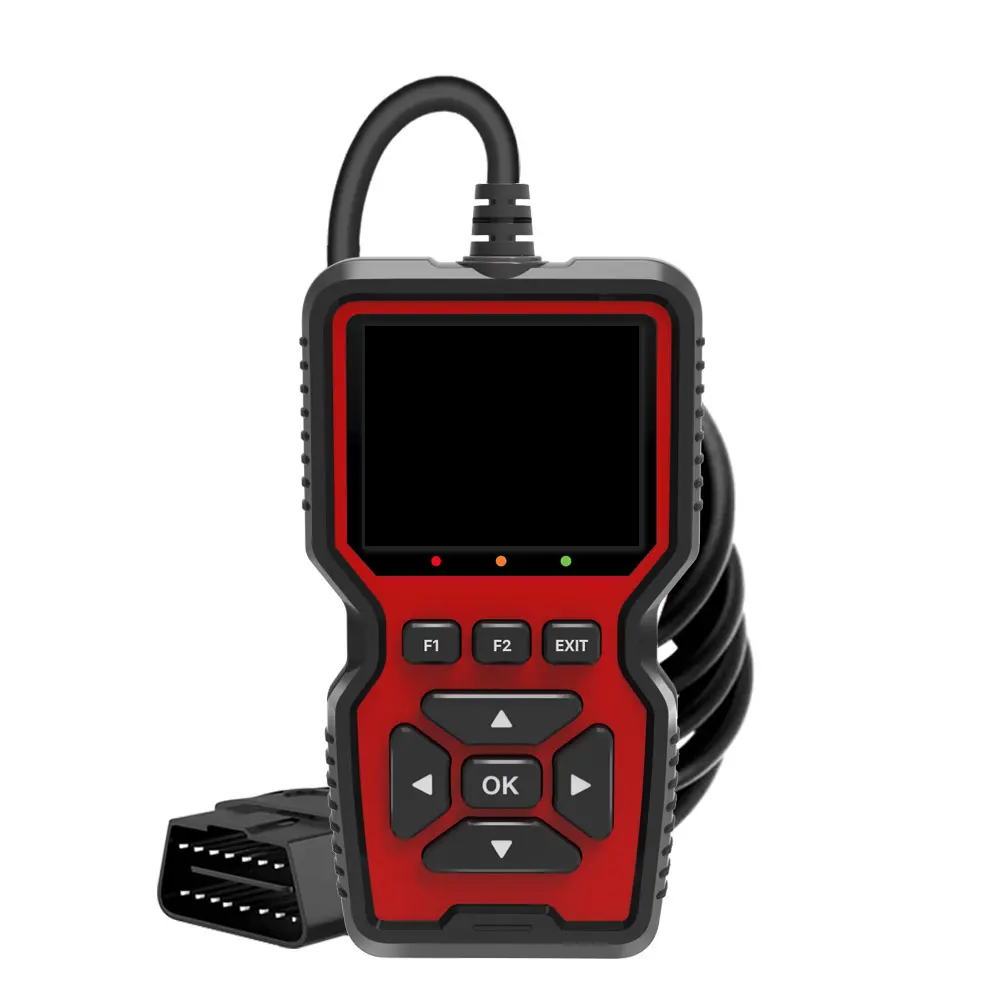
Diagnosis of P1231 requires a systematic approach, often leveraging a DMM, OBD-II scanner, and potentially a fuel pressure gauge.
- Initial Visual Inspection: Begin by inspecting all visible wiring and connectors in the fuel pump circuit, from the fuel tank to the FPDM (if equipped) and the main fuse box. Look for signs of chafing, corrosion, disconnections, or burn marks. Check relevant fuses for the fuel pump and FPDM.
- Scan Tool Data Analysis: Connect an OBD-II scanner to monitor live data. Pay close attention to fuel pressure sensor readings (if available), fuel pump duty cycle commanded by the ECM/PCM, and any fuel pump monitor PIDs. Note any freeze frame data associated with the P1231 code, as it provides critical information about engine conditions (RPM, load, etc.) when the fault occurred.
- Fuel System Pressure Test: Use a mechanical fuel pressure gauge connected to the fuel rail. Key ON, Engine OFF (KOEO) should show initial pressure build-up. Start the engine and note pressure at idle. Crucially, test under load or by snapping the throttle quickly to high RPMs. Compare readings to manufacturer specifications. A significant drop or inability to reach specified pressure under load strongly suggests a fuel delivery issue.
- Electrical System Tests (Using a DMM):
- Voltage Drop Test: With the fuel pump commanded ON (use bi-directional control on a scanner or jump the relay), perform voltage drop tests across the entire fuel pump power and ground circuits. Measure voltage between the battery positive post and the positive terminal at the fuel pump. Any reading above 0.2V indicates excessive resistance in the power circuit. Repeat for the ground circuit (battery negative to fuel pump ground).
- FPDM Input/Output Verification: Locate the FPDM (often on the vehicle frame under the rear, or near the fuel tank). Test the input voltage to the FPDM from the vehicle’s electrical system and the command signal from the ECM/PCM (often a PWM signal, which can be measured for average voltage or duty cycle with an advanced DMM or oscilloscope). Then, test the output voltage/current from the FPDM to the fuel pump. Compare these values to service manual specifications, especially when the ECM/PCM commands high-speed operation. A low output from the FPDM despite a correct input signal points to FPDM failure.
- Fuel Pump Resistance Check: If accessible without dropping the tank, disconnect the fuel pump connector and measure the resistance across the fuel pump motor terminals. Compare to specifications. An open circuit or extremely high resistance indicates an internal pump failure.
- Wiring Continuity Check: With the battery disconnected and relevant connectors unplugged, check for continuity and shorts to ground in the wires between the FPDM (or PCM) and the fuel pump.
- Component Activation Test: Use a bi-directional scan tool to directly command the fuel pump to different speeds/duty cycles. Monitor actual fuel pressure and the voltage/current draw at the pump during these commands. This helps isolate whether the pump, FPDM, or wiring is at fault in responding to commands.
Recommended Repairs and Solutions
Based on the diagnostic findings, the following repairs are typically recommended:
- Replace the Fuel Pump Driver Module (FPDM): If testing confirms the FPDM is not outputting the correct voltage/current to the fuel pump despite receiving the correct command and power supply, it is likely faulty and should be replaced. Ensure the new FPDM is programmed or compatible with the vehicle’s ECM/PCM if necessary.
- Repair or Replace Damaged Wiring/Connectors: If the DMM tests reveal high resistance, an open circuit, or a short in the secondary fuel pump wiring or its connectors, the affected sections must be meticulously repaired or replaced. Use appropriate gauge wire and heat-shrink connectors for durable repairs. Address any corrosion found on terminals.
- Replace the Electric Fuel Pump: If the fuel pump itself fails the resistance test, struggles to build pressure, or exhibits abnormal current draw when directly powered, the fuel pump assembly will need replacement. This often involves dropping the fuel tank or accessing the pump through an access panel under the rear seat or in the cargo area. Always relieve fuel pressure before beginning this task.
- Replace the Fuel Pump Relay: If the main fuel pump relay is found to be faulty during testing (e.g., poor contact, open coil), replace it.
- Address ECM/PCM Software: In rare cases, a reflash or update of the ECM/PCM software may be necessary if a known software bug related to fuel pump control exists. Consult manufacturer TSBs (Technical Service Bulletins).
- Replace Clogged Fuel Filter: Although P1231 is an electrical code, a severely restricted fuel filter can compound issues. It’s good practice to replace the fuel filter (if external) whenever major fuel system work is performed, especially if fuel pressure was found to be low.
Mechanic’s Tips: Always ensure the vehicle’s battery is disconnected before performing any electrical work on the fuel system. When replacing fuel system components, use OEM or high-quality aftermarket parts to ensure compatibility and reliability. After repairs, clear all diagnostic trouble codes and perform an extended test drive under varying conditions (including those that previously triggered the code) to confirm the fix and ensure no other related codes set.