What Does Code P1731 Mean?
Diagnostic Trouble Code (DTC) P1731 signifies a “1-2 Shift Malfunction” within the automatic transmission system. This code is generated when the Powertrain Control Module (PCM), or in some applications, the dedicated Transmission Control Module (TCM), detects an anomaly during the engagement sequence from first gear to second gear. The control module continuously monitors the rotational speeds of the transmission’s input and output shafts. By comparing these speeds, the module calculates the actual gear ratio the transmission is currently operating in. When a 1-2 upshift is commanded, the PCM/TCM expects a specific, calculated change in the input-to-output shaft speed ratio to occur within a predefined timeframe and tolerance. If the expected gear ratio change does not happen, or if the transition is excessively delayed, incomplete, or results in an incorrect ratio, the PCM/TCM interprets this as a malfunction in the 1-2 shift event and sets code P1731. This typically indicates an issue with the hydraulic, electrical, or mechanical components responsible for executing or monitoring the shift into second gear.
Common Symptoms
- Check Engine Light (CEL) or Malfunction Indicator Lamp (MIL) illumination.
- Noticeably harsh or abrupt 1-2 upshift engagement.
- Delayed or prolonged 1-2 upshift, where the engine RPMs rise excessively before the shift occurs.
- Transmission slipping during the 1-2 shift, characterized by engine RPM fluctuation without corresponding vehicle speed increase.
- Transmission may be stuck in 1st gear, or refuse to shift into 2nd gear, resulting in a limp-home mode operation.
- Reduced engine power or responsiveness due to the transmission being in an incorrect gear.
- Unusual noises emanating from the transmission during a shift attempt.
- Possible transmission overheating warning, especially if prolonged slipping occurs.
What Causes the Code P1731?
- Faulty 1-2 Shift Solenoid: The solenoid responsible for directing fluid pressure to engage second gear clutches may be electrically open, shorted, or mechanically stuck.
- Contaminated or Low Transmission Fluid: Insufficient fluid level or degraded fluid (burnt, contaminated with debris) can impair hydraulic pressure and lubrication, leading to shift malfunctions.
- Worn or Damaged Clutch Packs/Bands: The specific clutch pack or band responsible for engaging second gear may be worn out, slipping, or fractured, preventing proper engagement.
- Internal Valve Body Malfunction: Sticking valves, worn valve body bores, or blockages within the valve body can prevent proper fluid routing for the 1-2 shift.
- Transmission Speed Sensor Malfunction: Faulty input or output shaft speed sensors can provide inaccurate data to the PCM/TCM, leading to misinterpretation of the actual gear ratio and shift status.
- Damaged or Corroded Wiring/Connectors: Open circuits, shorts, or high resistance in the wiring harness connecting the PCM/TCM to the shift solenoids or speed sensors.
- Internal Transmission Mechanical Failure: Damage to planetary gear sets, shafts, or other hard parts preventing proper gear engagement.
- PCM/TCM Malfunction: Though less common, an internal fault within the control module itself can lead to incorrect shift commands or misinterpretation of sensor data.
How to Diagnose and Troubleshoot
Diagnosis of P1731 requires a systematic approach, combining visual inspection, electrical testing, and scan tool analysis:
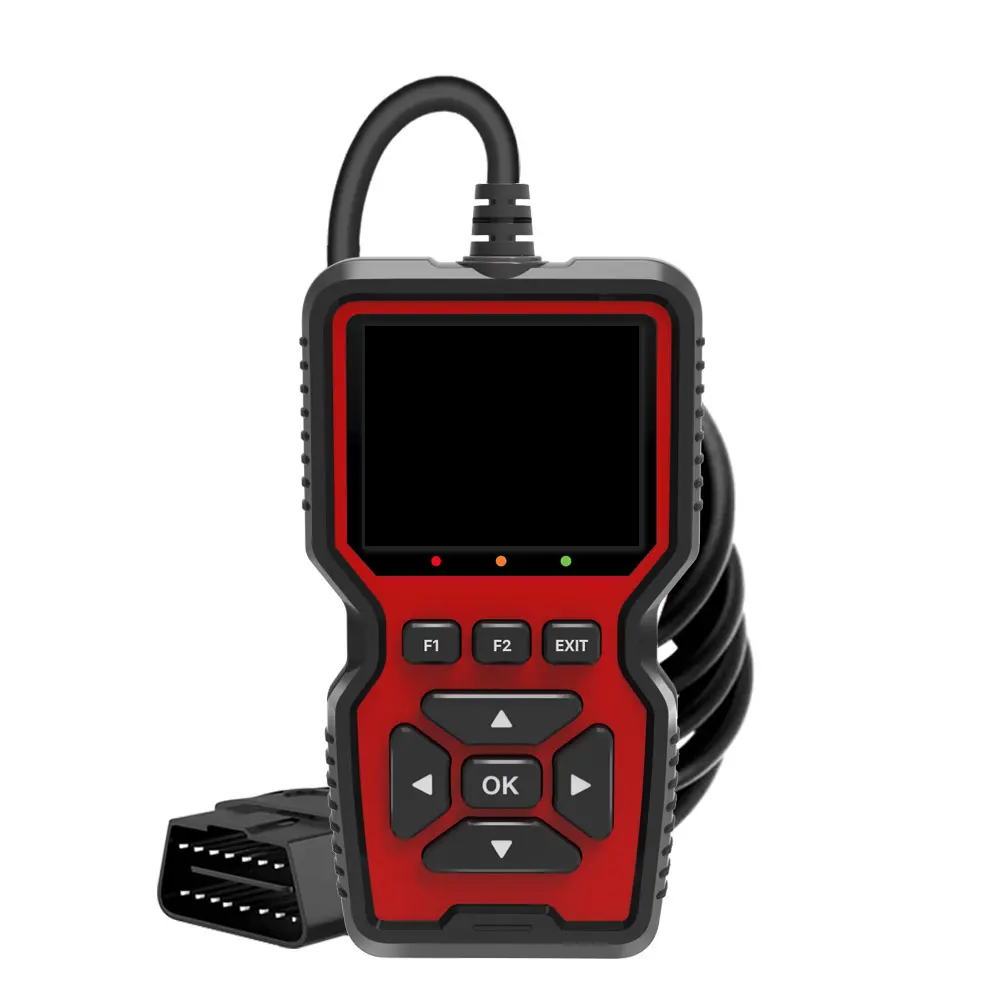
- Verify the DTC and Other Codes: Connect an OBD-II scanner to confirm P1731 is present. Check for any other related transmission-specific codes (e.g., solenoid performance codes, speed sensor codes) that may point to a contributing factor. Record freeze frame data for environmental conditions at the time the code was set.
- Inspect Transmission Fluid: Check the transmission fluid level according to manufacturer specifications (hot or cold, engine running or off, depending on the vehicle). Note the fluid’s condition: color, odor (burnt smell indicates overheating/wear), and presence of metallic particles or debris. If the fluid is low or degraded, address this first.
- Visual Inspection of Wiring and Connectors: Carefully inspect the external transmission wiring harness and electrical connectors for any signs of damage, fraying, corrosion, or loose connections, particularly those leading to shift solenoids and speed sensors.
- Scan Tool Live Data Analysis:
- Monitor Transmission Fluid Temperature: Ensure it’s within normal operating range.
- Monitor Input and Output Shaft Speeds: During a road test, observe if these speeds correlate correctly with gear changes. When shifting from 1st to 2nd, the ratio change should be distinct and smooth.
- Monitor Shift Solenoid Status (commanded vs. actual): If available, observe the commanded state of the 1-2 shift solenoid (e.g., Solenoid A or B, depending on transmission design) and see if the transmission responds.
- Check Gear Commanded vs. Actual Gear: Look for discrepancies during the 1-2 shift.
- Electrical Testing of Shift Solenoids (using DMM):
- Locate the transmission harness connector (often on the side or top of the transmission). Refer to the vehicle’s service manual for specific pinouts.
- With the ignition off, disconnect the main transmission connector.
- Using a digital multimeter (DMM), measure the resistance of the relevant 1-2 shift solenoid(s) across its terminals. Compare the reading to manufacturer specifications (typically 10-25 ohms). An open circuit (infinite resistance) or a short circuit (near zero resistance) indicates a faulty solenoid.
- Check for continuity of the wiring harness between the transmission connector and the PCM/TCM connector. Look for open circuits or shorts to ground/power.
- Pressure Testing (Advanced): If internal hydraulic issues are suspected, a transmission pressure gauge can be connected to test line pressure and specific clutch apply pressures during operation. This requires specialized tools and expertise.
- Road Test and Re-evaluation: After any adjustments or minor repairs, clear the code and perform a comprehensive road test, paying close attention to the 1-2 shift quality.
Recommended Repairs and Solutions
The appropriate repair depends directly on the root cause identified during diagnosis:
- Replace Faulty Shift Solenoid(s): If electrical tests indicate a defective 1-2 shift solenoid, replace it. This often involves dropping the transmission oil pan and removing the valve body cover to access the solenoids. Ensure all O-rings and gaskets are properly installed.
- Transmission Fluid and Filter Service: If the fluid was low, burnt, or contaminated, perform a complete transmission fluid and filter replacement. Ensure the correct type and amount of transmission fluid specified by the manufacturer is used.
- Repair or Replace Wiring/Connectors: Address any damaged, corroded, or loose wiring or connectors identified during visual inspection or electrical testing. Use appropriate connectors and heat shrink tubing for durable repairs.
- Valve Body Service or Replacement: If diagnosis points to internal valve body issues (e.g., sticking valves, debris), the valve body may need to be removed for inspection, cleaning, or replacement. This is a more involved repair.
- Transmission Overhaul or Replacement: If internal mechanical damage to clutch packs, bands, or hard parts is confirmed, a full transmission overhaul or replacement with a remanufactured or new unit will be necessary. This is typically the most expensive solution.
- Replace Transmission Speed Sensor(s): If speed sensor data was erratic or inconsistent, replacing the faulty sensor(s) is a straightforward fix.
- PCM/TCM Reprogramming or Replacement: Only consider replacing the PCM or TCM after all other possibilities have been thoroughly exhausted and verified. If replaced, the new module will require programming to the vehicle’s specifications.
Mechanic’s Tips:
- Always use OEM or equivalent quality replacement parts for critical transmission components to ensure proper function and longevity.
- After replacing solenoids or performing fluid service, it’s crucial to ensure the transmission fluid level is set precisely according to the manufacturer’s procedure.
- Many modern transmissions require a transmission adaptive learning procedure or “quick learn” to be performed with a capable scan tool after certain repairs (e.g., solenoid replacement, valve body service, or PCM/TCM replacement). This resets the transmission’s learned shift parameters and allows it to adapt to the new components.
- Thoroughly test drive the vehicle under various conditions (city, highway, light throttle, heavy throttle) to confirm the repair and ensure the P1731 code does not return and that the 1-2 shift operates smoothly.
- If metallic debris is found in the transmission pan, it is a strong indicator of significant internal mechanical wear, necessitating a more comprehensive internal inspection or rebuild.