What Does Code P1732 Mean?
The diagnostic trouble code P1732 signifies a malfunction detected by the Powertrain Control Module (PCM), or more specifically, the Transmission Control Module (TCM) in vehicles with an automatic transmission, concerning the 2-3 gear shift operation. This code indicates that the TCM has observed an abnormal condition during or immediately after a commanded shift from second gear to third gear. The TCM continuously monitors various parameters such as input shaft speed, output shaft speed, engine RPM, throttle position, and commanded gear ratio. When a 2-3 shift is initiated, the TCM expects a specific change in the gear ratio (calculated from input and output shaft speeds) within a defined timeframe and without excessive slip. If the actual gear ratio does not match the expected ratio after the 2-3 shift command, if the shift is excessively delayed, or if significant slipping occurs during the transition, the TCM will register this discrepancy and illuminate the Malfunction Indicator Lamp (MIL), storing the P1732 code. This fault directly impacts the transmission’s ability to smoothly and correctly engage third gear, often stemming from issues with the hydraulic pressure, solenoid control, or mechanical integrity of the 2-3 shift circuit within the transmission.
Common Symptoms
- Delayed Engagement of Third Gear: A noticeable hesitation before the transmission engages third gear after shifting out of second.
- Harsh or Erratic 2-3 Shift: A noticeable jolt, bang, or rough transition when the transmission attempts to shift from second to third.
- Transmission Slipping: The engine RPM may flare significantly without a corresponding increase in vehicle speed during the 2-3 shift.
- Transmission Defaults to “Limp Mode”: The transmission may engage a fail-safe mode, limiting available gears (e.g., stuck in 2nd or 3rd gear) to prevent further damage.
- Reduced Fuel Economy: Due to inefficient gear engagement or the transmission operating in an incorrect gear.
- Check Engine Light (MIL) Illumination: The primary indicator that a fault has been detected.
What Causes the Code P1732?
- Faulty 2-3 Shift Solenoid: A solenoid that is stuck open, stuck closed, or operating intermittently, preventing proper hydraulic fluid routing for the 2-3 shift.
- Contaminated or Low Transmission Fluid: Incorrect fluid level or degraded fluid quality (burnt, dark, or containing debris) can cause inadequate hydraulic pressure or impede solenoid operation.
- Clogged Transmission Fluid Passages or Valve Body Issues: Blockages within the transmission valve body can restrict fluid flow to the 2-3 shift circuit, or sticking valves within the valve body itself can prevent proper operation.
- Worn or Damaged Internal Transmission Components: Deteriorated clutch packs, bands, or seals associated with the 2-3 gear set can lead to slipping and failure to achieve the correct gear ratio.
- Wiring or Connector Issues: Open circuits, short circuits, or poor connections in the wiring harness leading to the 2-3 shift solenoid or related sensors (e.g., input/output speed sensors).
- Faulty Transmission Speed Sensors: Inaccurate readings from the input or output shaft speed sensors can lead the TCM to incorrectly perceive a shift malfunction.
- Powertrain Control Module (PCM) or Transmission Control Module (TCM) Malfunction: While less common, a faulty control module can incorrectly command shifts or misinterpret sensor data, triggering the code.
How to Diagnose and Troubleshoot
Diagnosing P1732 requires a methodical approach, often involving a combination of visual inspection, diagnostic tools, and electrical testing:
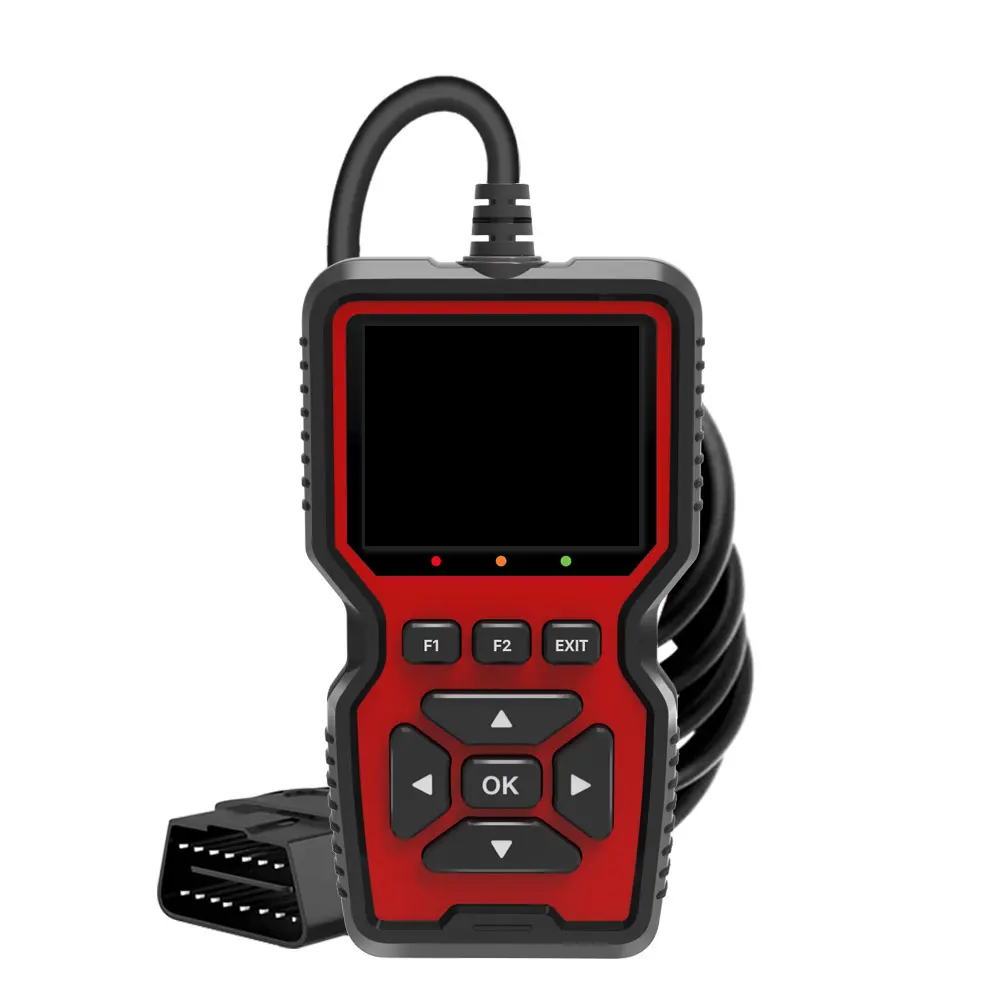
- Verify the Code and Freeze Frame Data: Connect an OBD-II scan tool to confirm P1732 is present. Review the freeze frame data to understand the operating conditions (vehicle speed, engine RPM, transmission temperature, engine load, throttle position) when the fault was set. This context is crucial for reproduction and diagnosis.
- Check Transmission Fluid Level and Condition: Adhering strictly to manufacturer specifications, check the transmission fluid level. Low fluid can cause pressure issues, while burnt or dirty fluid indicates internal wear or overheating. Note any metallic debris.
- Visual Inspection of Wiring and Connectors: Carefully inspect the wiring harness leading to the transmission, especially around the shift solenoids and speed sensors. Look for signs of chafing, corrosion, loose connections, or physical damage. Pay close attention to any areas that might be exposed to heat or vibration.
- Electrical Testing of the 2-3 Shift Solenoid:
- Locate and disconnect the transmission electrical connector. Using the vehicle’s service manual, identify the terminals corresponding to the 2-3 shift solenoid.
- Using a Digital Multimeter (DMM), measure the resistance of the 2-3 shift solenoid across its terminals. Compare the reading to the manufacturer’s specified resistance range (typically 10-30 ohms). An open circuit (infinite resistance) or a short circuit (near zero resistance) indicates a faulty solenoid.
- With the ignition ON and solenoid disconnected, test for proper voltage supply at the harness connector going to the solenoid (typically battery voltage).
- If accessible and equipped with a bi-directional scan tool, command the 2-3 shift solenoid ON and OFF while monitoring its function, potentially using a DMM to check for voltage changes or an oscilloscope to observe waveform patterns if the solenoid is accessible during operation.
- Scan Tool Live Data Analysis:
- Monitor transmission input shaft speed, output shaft speed, and commanded gear PIDs (Parameter Identifiers) during a controlled road test.
- Observe if the TCM commands the 2-3 shift and if the gear ratio changes appropriately. Look for discrepancies between commanded and actual gear, or if the input speed sensor continues to climb without an output speed increase during the shift.
- Monitor the status of all shift solenoids (ON/OFF) as commanded by the TCM.
- Transmission Pressure Tests: For advanced diagnostics, a hydraulic pressure gauge can be connected to the transmission’s test ports (if available). Monitor line pressure and specific clutch/band apply pressures during the 2-3 shift to identify internal leaks or valve body issues.
Recommended Repairs and Solutions
The repair strategy for P1732 depends directly on the root cause identified during diagnosis:
- Transmission Fluid Service: If low or contaminated fluid is the cause, perform a complete transmission fluid drain and fill, ensuring the correct fluid type and quantity are used as per manufacturer specifications. If the fluid is severely degraded or contains significant debris, consider a transmission filter replacement and potentially a more thorough flush if recommended by the manufacturer.
- Replace Faulty 2-3 Shift Solenoid: If electrical tests confirm a faulty shift solenoid, it must be replaced. This typically involves dropping the transmission pan, removing the valve body cover (or the entire valve body), and physically replacing the solenoid. Always use OEM or high-quality aftermarket solenoids. Ensure all gaskets and seals are correctly installed and bolts are torqued to specifications.
- Valve Body Repair or Replacement: If the solenoids test good, but issues like sticky valves or internal wear within the valve body are suspected (e.g., from pressure test results or internal inspection), the valve body may need to be serviced (cleaned, inspected for wear) or entirely replaced. This is a more involved repair.
- Wiring Harness and Connector Repair: Repair any detected open circuits, short circuits, or damaged connectors using appropriate automotive wiring repair techniques (soldering, heat shrink tubing, proper crimps). Ensure secure and weather-sealed connections.
- Transmission Speed Sensor Replacement: If speed sensor data is erratic or non-existent, replace the faulty sensor(s). Ensure the new sensor is correctly installed and its wiring connection is secure.
- Internal Transmission Overhaul or Replacement: If all external and valve body components are ruled out and symptoms like severe slipping or no third gear engagement persist, it likely indicates internal mechanical damage (worn clutch packs, bands, or planetary gears). In such cases, a transmission overhaul or replacement with a remanufactured or new unit may be necessary.
- PCM/TCM Reprogramming or Replacement: As a final resort, if all other components have been thoroughly tested and verified as functional, and the code persists, the control module itself may be faulty. This typically requires specialized diagnostic tools for reprogramming or replacement and should only be pursued after exhausting all other possibilities.
Mechanic’s Tips: Always clear DTCs after performing a repair and conduct a comprehensive road test to verify the fix. Some transmissions require a “relearn” procedure for shift points after repairs or battery disconnections; consult the service manual. Always ensure extreme cleanliness when working on transmission internals to prevent contamination.