What Does Code P1243 Mean?
DTC P1243 indicates a malfunction within the Fuel Pump Secondary Circuit. In modern vehicles, the Powertrain Control Module (PCM) or Engine Control Module (ECM) regulates fuel pump operation not solely through a relay, but often via a dedicated Fuel Pump Driver Module (FPDM). The FPDM receives a Pulse Width Modulated (PWM) signal from the PCM/ECM, which it then translates into a variable voltage supply to the fuel pump, thereby controlling fuel pressure and volume. The “secondary circuit” refers to the electrical path from the FPDM to the fuel pump, including the power and ground circuits, or a feedback circuit that monitors the pump’s performance or integrity. The PCM/ECM sets code P1243 when it detects an electrical anomaly within this secondary circuit—such as an unexpected voltage drop, excessive current draw, an open circuit, a short to voltage, or a ground fault—that deviates from programmed parameters. This indicates that the fuel pump is either not receiving the correct power, its internal circuitry is faulty, or there is an issue with its ground connection, preventing the FPDM/PCM from achieving the desired fuel delivery.
Common Symptoms
- Check Engine Light (CEL) illumination
- Engine misfires or rough running, especially under load
- Reduced engine power or poor acceleration
- Engine hesitation or stumbling
- Difficulty starting or extended crank times
- Engine stalling, particularly after starting or at idle
- No start condition
- Potential fuel odor (less common, but possible if a related mechanical failure occurs)
What Causes the Code P1243?
- Faulty Fuel Pump Driver Module (FPDM): Often prone to corrosion or internal electronic failure, leading to incorrect voltage output or circuit monitoring.
- Wiring harness issues: Open circuits, shorts to ground, shorts to voltage, or high resistance in the wiring between the FPDM and the fuel pump. This includes damaged insulation, chafed wires, or rodent damage.
- Corroded or loose electrical connectors: Particularly at the FPDM, the fuel pump assembly, or inline connectors within the fuel pump secondary circuit.
- Faulty Fuel Pump: An internal electrical fault within the fuel pump motor (e.g., open windings, shorted windings, excessive current draw) can be detected as a secondary circuit malfunction by the FPDM/PCM.
- Poor ground connection: Insufficient or corroded ground for either the fuel pump or the FPDM can lead to this code, directly correlating to the “Ground Fault” aspect of the brief.
- PCM/ECM malfunction: Although rare, an internal fault within the PCM/ECM’s fuel pump control or monitoring circuitry could trigger P1243.
How to Diagnose and Troubleshoot
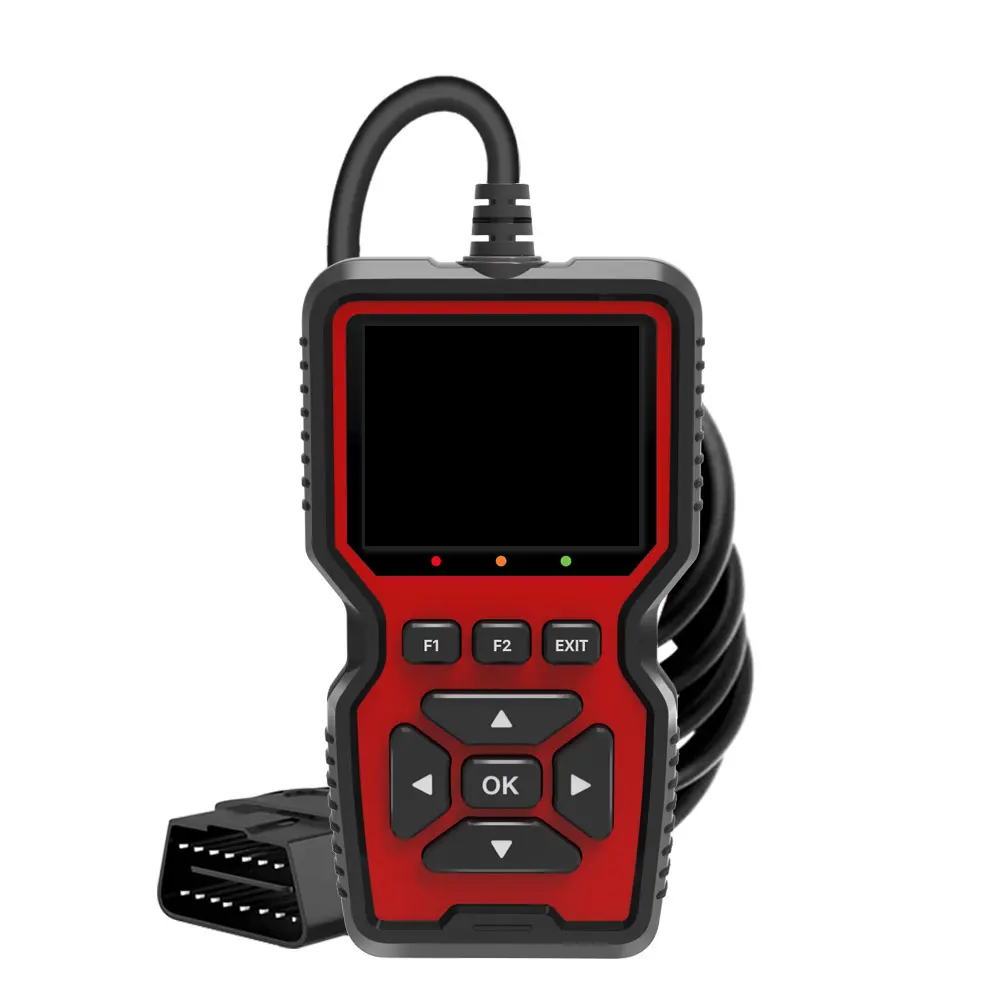
Diagnosing P1243 requires a systematic approach, often involving a digital multimeter (DMM) and an OBD-II scanner capable of live data.
- Retrieve and Record DTCs: Use an OBD-II scanner to confirm P1243 and check for any related or accompanying codes (e.g., fuel pressure sensor codes, FPDM communication codes).
- Visual Inspection:
- Inspect the fuel pump wiring harness from the FPDM to the fuel pump for any signs of physical damage, chafing, corrosion, or modifications. Pay close attention to areas where the harness might rub against chassis components or be exposed to road debris.
- Locate and inspect the Fuel Pump Driver Module (FPDM). These are often mounted on the vehicle’s frame, exposed to environmental elements, and are notorious for corrosion, especially on the module’s housing and electrical connectors. Check for water intrusion or physical damage.
- Inspect the fuel pump electrical connector itself, typically located on top of the fuel tank assembly, for corrosion or damage.
- OBD-II Scanner Live Data Analysis:
- Monitor relevant PIDs (Parameter IDs) such as Fuel Pump Commanded Duty Cycle, Fuel Tank Pressure (FTP), Fuel Rail Pressure (FRP), and FPDM Feedback (if available). Look for discrepancies between commanded and actual values.
- With KOEO (Key On Engine Off), check if the FPDM is commanded to operate the pump (a brief prime cycle). Listen for the fuel pump activating.
- Digital Multimeter (DMM) Testing:
- Fuel Pump Circuit Voltage Drop Test: Disconnect the fuel pump electrical connector. Using a wiring diagram, identify the power and ground circuits to the fuel pump. With the fuel pump commanded on (e.g., by cranking or using a bi-directional scanner), back-probe the FPDM output terminals at the FPDM connector and the fuel pump input terminals at the pump connector. Measure voltage drop across each wire. Excessive voltage drop (>0.2V) indicates high resistance in the circuit.
- Continuity Test: With the battery disconnected, test for continuity in the fuel pump power and ground wires from the FPDM connector to the fuel pump connector. An open circuit indicates a broken wire.
- Resistance Test for Ground Fault: With the FPDM and fuel pump disconnected, measure resistance between the fuel pump power wire and chassis ground, and between the fuel pump ground wire and chassis ground. Any resistance value other than infinity on the power wire suggests a short to ground. The ground wire should show very low resistance to chassis ground (typically < 0.5 ohms).
- FPDM Input/Output Verification: With the FPDM connected and powered, back-probe its input signal from the PCM (PWM signal) and its output voltage/signal to the fuel pump. Compare these values to service manual specifications or expected behavior. If the FPDM receives the correct input but provides no or incorrect output, it is likely faulty.
- Fuel Pump Resistance Check: If accessible, measure the resistance of the fuel pump motor windings directly at the fuel pump terminals. Compare to manufacturer specifications. An out-of-spec reading indicates an internal pump fault.
- Fuel Pressure Test: Use a mechanical fuel pressure gauge connected to the fuel rail. Verify actual fuel pressure against specifications during various engine states (KOEO prime, idle, under load). Low or erratic pressure, despite commanded operation, can point to a pump issue or restriction.
Recommended Repairs and Solutions
Based on diagnostic findings, the following repairs are commonly indicated for P1243:
- Replace the Fuel Pump Driver Module (FPDM): This is a very common fix, especially if corrosion or failed internal electronics are suspected or confirmed. When replacing, consider relocating the FPDM to a less exposed area if a manufacturer Technical Service Bulletin (TSB) recommends it for your specific vehicle.
- Repair or Replace Wiring Harness: If opens, shorts, or high resistance are identified in the wiring between the FPDM and the fuel pump, the affected section of the harness should be repaired using proper automotive wiring techniques (soldering, heat shrink, appropriate gauge wire) or replaced if damage is extensive.
- Clean or Replace Corroded Connectors: Ensure all electrical connectors in the fuel pump secondary circuit are clean, tight, and free of corrosion. Apply dielectric grease to protect connections from future corrosion.
- Replace the Fuel Pump Assembly: If diagnostic testing confirms an internal electrical fault (e.g., excessive current draw, open winding) within the fuel pump itself, or if it fails the mechanical fuel pressure test, the entire fuel pump assembly will need to be replaced.
- Address Grounding Issues: Clean and secure any corroded or loose ground points for the fuel pump or FPDM. Ensure a solid, low-resistance ground connection (< 0.1 ohms to chassis ground).
- PCM/ECM Replacement/Reprogramming: Only after all other components and wiring have been thoroughly tested and verified as functional should a PCM/ECM replacement be considered. This typically requires specialized programming and is a last resort.
Mechanic’s Tip: Always consult the vehicle’s specific service manual for precise wiring diagrams, component locations, and resistance/voltage specifications. Many manufacturers have specific TSBs related to FPDM failures and P1243, which can provide invaluable diagnostic and repair guidance.