What Does Code P1270 Mean?
The diagnostic trouble code P1270 signifies that the Engine Control Module (ECM) or Powertrain Control Module (PCM) has detected an event where the engine’s Revolutions Per Minute (RPM) or the vehicle’s speed has reached or momentarily exceeded its predetermined, programmed maximum limit. This code is often informational, indicating that a designed operational threshold for engine speed (e.g., the redline) or vehicle velocity (e.g., a top-speed governor) has been invoked. The ECM monitors engine speed primarily through the crankshaft position sensor (CKP) and vehicle speed via the vehicle speed sensor (VSS). When the inputs from these sensors surpass the internally programmed limits, the ECM logs P1270 and typically initiates protective measures such as fuel cut-off, ignition timing retard, or throttle plate modulation to prevent engine damage from over-revving or over-speeding. While it can indicate a legitimate operational event, P1270 can also be triggered by erroneous sensor readings or calibration issues. The primary subsystem affected is the engine’s performance management and protection strategy.
Common Symptoms
- Momentary or sudden loss of engine power, hesitation, or “fuel cut” sensation during hard acceleration or at high speeds.
- Check Engine Light (CEL) illumination, though it may not illuminate immediately upon the first occurrence and might only appear as a pending code or after multiple instances.
- Engine feels like it “hits a wall” at a specific RPM or speed.
- No discernible symptoms if the limiter was briefly engaged and the ECM’s protective response was quick and effective, and the driving conditions returned to normal.
- Potential inconsistent or erratic speedometer/tachometer readings (if caused by a faulty VSS or CKP sensor).
What Causes the Code P1270?
- Intentional Operation/Aggressive Driving: The most common reason, where the vehicle is driven to its maximum RPM or speed limits by the operator. This is not necessarily a fault.
- Aftermarket Performance Tuning or Calibration Errors: Installation of aftermarket engine control units, performance chips, or custom ECU re-flashes that may incorrectly alter, remove, or misinterpret limiter settings, or could introduce erroneous sensor scaling.
- Faulty Crankshaft Position Sensor (CKP): An intermittently failing or inaccurately reporting CKP sensor can send spurious, excessively high RPM signals to the ECM, causing it to falsely believe the engine redline has been reached.
- Faulty Vehicle Speed Sensor (VSS): A malfunctioning VSS can transmit incorrect, excessively high speed data to the ECM, leading the module to erroneously conclude that the vehicle’s top speed limiter has been engaged.
- Wiring or Connector Issues: Intermittent open circuits, short circuits, or high resistance in the wiring harness or connectors for the CKP or VSS, which could cause erratic or false high signal readings.
- Transmission Malfunction: In some cases, a transmission failing to upshift correctly (e.g., stuck in a lower gear or slipping excessively) can cause the engine to hit its RPM limiter during acceleration.
- Engine Control Module (ECM/PCM) Fault: An internal malfunction within the ECM/PCM causing it to misinterpret sensor data or trigger the code erroneously (less common).
How to Diagnose and Troubleshoot
Diagnosis of P1270 requires a systematic approach, distinguishing between legitimate operational events and actual system faults.
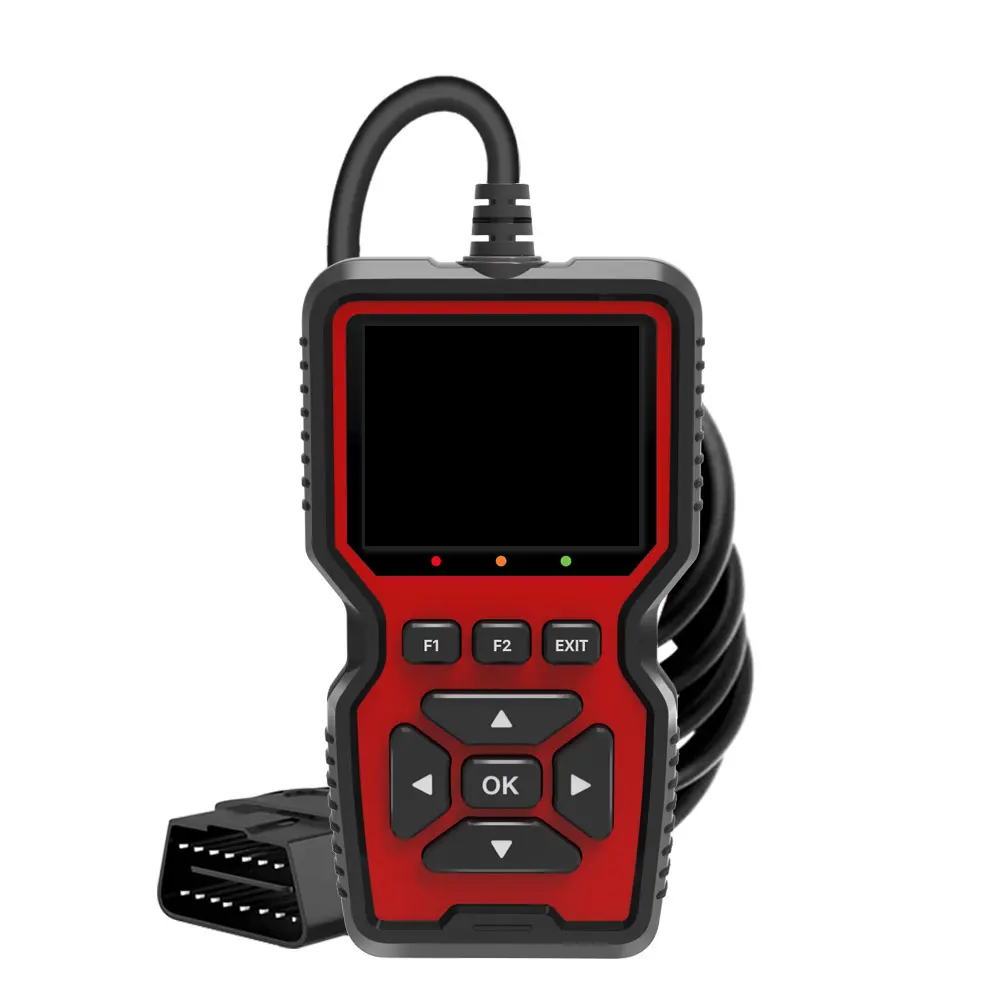
- Retrieve and Document DTCs and Freeze Frame Data: Use an OBD-II scan tool to retrieve all stored Diagnostic Trouble Codes (DTCs) and, critically, freeze frame data. The freeze frame data provides a snapshot of engine parameters (RPM, vehicle speed, load, throttle position, etc.) at the precise moment P1270 was set. This data is invaluable for understanding the context of the event. Clear the DTCs after documentation.
- Conduct a Controlled Road Test: Perform a road test under conditions similar to those indicated by the freeze frame data. Pay close attention to driving habits and driver input. If the code recurs consistently when the vehicle is intentionally pushed to its limits, it may indicate normal operation. Monitor live data for actual engine RPM and vehicle speed readings from the scan tool. Compare these readings against the vehicle’s physical speedometer and tachometer to identify discrepancies.
- Inspect for Aftermarket Modifications: Visually inspect for the presence of aftermarket performance tuners, chips, or non-OEM engine control software. These modifications can directly affect limiter settings. If found, consult with the modification manufacturer or consider temporarily reverting to stock programming for diagnostic purposes.
- Verify Crankshaft Position Sensor (CKP) and Vehicle Speed Sensor (VSS) Integrity:
- Visual Inspection: Carefully inspect the CKP and VSS sensors, their associated wiring harnesses, and electrical connectors for any signs of physical damage, corrosion, chafing, or loose connections.
- Live Data Analysis: While driving, observe the CKP RPM and VSS speed readings via live data on the scan tool. Look for any erratic jumps, dropouts, or excessively high readings that do not correlate with actual engine or vehicle speed.
- Sensor Signal Test (DMM/Oscilloscope): Refer to the vehicle’s service manual for specific testing procedures for the CKP and VSS. A Digital Multimeter (DMM) can be used to check for proper voltage supply and signal output (e.g., AC voltage for magnetic sensors, pulse width modulation for Hall effect sensors). An oscilloscope provides a much more accurate view of sensor waveform integrity, identifying noise or signal degradation.
- Check for Transmission-Related Issues: If the freeze frame data indicates high engine RPM but lower than expected vehicle speed, investigate potential transmission problems. Monitor transmission gear selection, clutch/band engagement, and fluid pressure using live data. A transmission that fails to upshift can cause the engine to hit its rev limiter prematurely.
- ECM Software/Hardware Verification: If all other components test good and the code persists without evidence of aggressive driving, check for manufacturer Technical Service Bulletins (TSBs) related to P1270 or known ECM software glitches for your specific vehicle. An ECM re-flash or replacement may be required, which typically necessitates dealer-level diagnostic equipment.
Recommended Repairs and Solutions
The appropriate repair for P1270 depends heavily on the root cause identified during diagnosis:
- Modify Driving Habits: If the diagnosis confirms that the code is set due to the driver consistently exceeding the vehicle’s programmed RPM or speed limits, the primary “fix” is to adjust driving behavior to stay within these parameters.
- Remove or Re-program Aftermarket Tuning: If aftermarket tuning is determined to be the cause, either revert the vehicle’s ECU to its stock programming or consult with the tuner to adjust the limiter settings appropriately. Ensure any modifications comply with local regulations and vehicle safety standards.
- Replace Faulty Sensors: If diagnostic tests conclusively point to a malfunctioning crankshaft position sensor (CKP) or vehicle speed sensor (VSS), replace the faulty component with an OEM or equivalent quality part. Ensure proper indexing and torque specifications are followed during installation. Clear all DTCs and perform a verification drive cycle.
- Repair Wiring and Connectors: If damaged or corroded wiring harnesses or connectors for the CKP, VSS, or ECM are found, repair or replace them using appropriate automotive-grade connectors and wiring. Solder connections should be protected with heat shrink tubing to ensure durability and prevent future corrosion.
- Address Transmission Faults: If a transmission issue is causing the engine to over-rev and hit its limiter, diagnose and repair the transmission system. This could involve anything from a fluid and filter change, solenoid replacement, valve body repair, or a complete transmission overhaul or replacement, depending on the severity of the fault.
- ECM Software Update or Replacement: As a last resort, if all other diagnostic steps confirm that the sensors, wiring, and other systems are functioning correctly, and the code persists erroneously, consider an ECM software update. Consult your vehicle manufacturer’s service information for any available software patches. In rare cases, a complete ECM replacement may be necessary, which often requires programming and initialization by a dealership or specialized repair facility.
Always clear DTCs after repairs and perform a thorough road test, monitoring live data, to confirm that the issue is resolved and the P1270 code does not return.