What Does Code P1269 Mean?
DTC P1269, “Immobilizer Code Not Programmed,” indicates that the Engine Control Module (ECM) or Powertrain Control Module (PCM) has detected a discrepancy or an absence of a valid security authentication code from the vehicle’s immobilizer system. This code specifically points to an issue where the immobilizer control unit and the ECM/PCM are not properly synchronized or a transponder key has not been correctly registered within the immobilizer system’s memory. The immobilizer system is a critical anti-theft component designed to prevent the engine from starting without a correctly coded key. When the ECM/PCM receives an invalid or unprogrammed key code from the immobilizer control unit (which reads the transponder chip in the ignition key), it will prevent fuel injection and/or ignition, leading to a no-start condition. The subsystem affected is primarily the vehicle’s security and engine management system, specifically their communication and authorization protocols.
Common Symptoms
- No-Start Condition: The engine will crank but will not fire or start.
- Security Light Illuminated: The security indicator light on the dashboard will often flash rapidly or remain steadily illuminated, signaling an immobilizer system fault.
- Engine Cranks, No Fuel/Spark: Diagnostic tools may show no fuel injector pulse and/or no spark, as these are typically inhibited by the ECM/PCM when the immobilizer system is active.
What Causes the Code P1269?
- Replacement of the ECM/PCM without proper immobilizer system programming.
- Replacement of the immobilizer control module without proper initialization and synchronization with the ECM/PCM and vehicle keys.
- Introduction of a new or replacement transponder ignition key that has not been correctly programmed to the vehicle’s immobilizer system.
- Corruption of immobilizer data within the ECM/PCM or the immobilizer control module.
- Faulty immobilizer control module, preventing proper code recognition or storage.
- Rarely, a faulty key transponder chip or antenna coil that fails to transmit a readable code, leading the system to interpret it as an unprogrammed key.
How to Diagnose and Troubleshoot
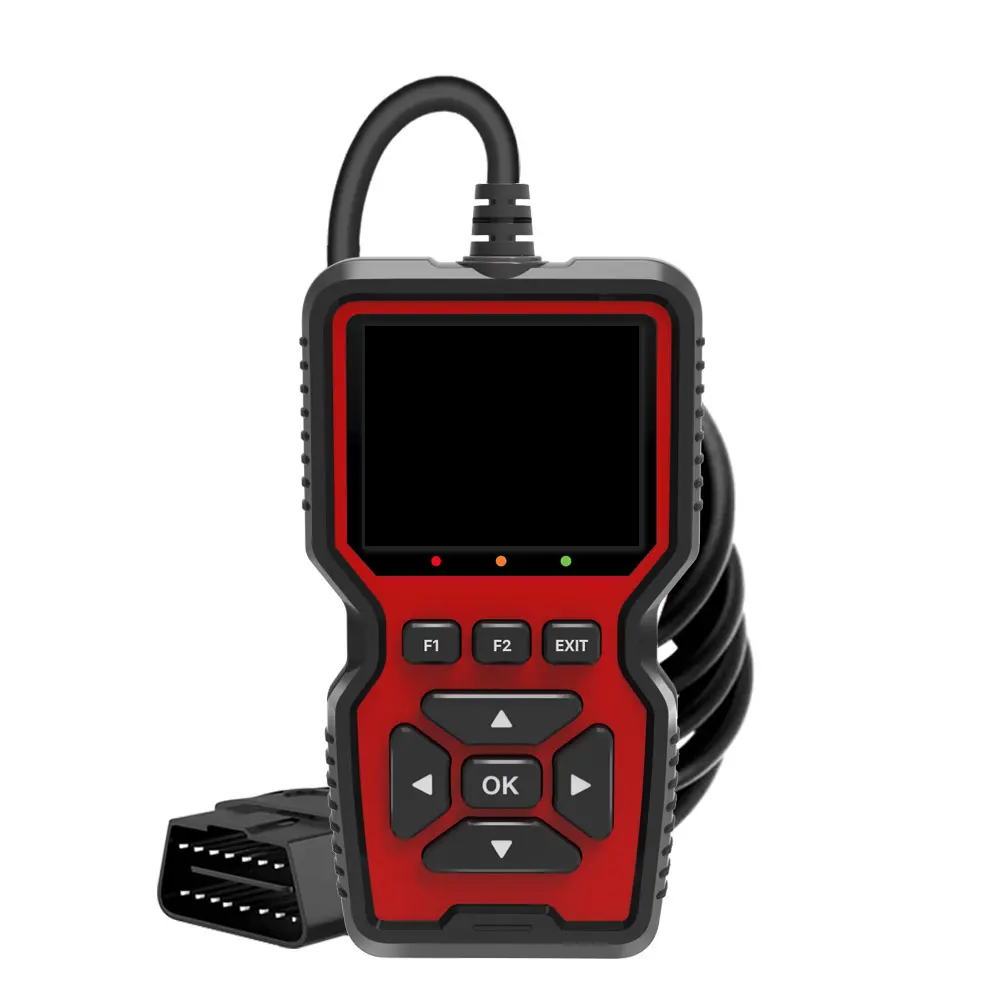
Diagnosing P1269 requires a professional-grade scan tool with immobilizer programming capabilities. A standard OBD-II scanner may only read the code without providing deeper system access.
- Verify DTC and Other Codes: Connect a professional scan tool to confirm P1269. Check for any other related immobilizer or communication DTCs, which could point to a more fundamental issue.
- Check Immobilizer Status Live Data: Using the advanced scan tool, access live data parameters for the immobilizer system. Look for parameters such as “Key ID Registered,” “Immobilizer Status,” “Key Present,” or “Engine Start Allowed.” This data can indicate if the system recognizes a key and if it’s authorizing engine operation.
- Test All Available Keys: Attempt to start the vehicle with all known good, previously programmed keys. If one key works and others do not, the issue might be with the unprogrammed keys. If no key works, the problem likely lies with the modules or their programming.
- Observe Security Light Behavior: Pay close attention to the vehicle’s security light on the instrument cluster. A rapidly flashing light typically indicates an unprogrammed or unrecognized key, while a solid light might point to a module fault or communication issue. Refer to the vehicle’s factory service manual for specific light behaviors.
- Attempt Immobilizer System Programming: If any control module (ECM/PCM or immobilizer unit) or key has been recently replaced, the primary diagnostic step is to attempt the immobilizer system initialization or programming procedure using the scan tool. This procedure typically involves syncing the VIN, key codes, and module IDs across the connected components. Ensure the vehicle battery voltage is stable and above 12.5V during programming, as voltage drops can cause programming failures.
- Check Communication Lines: If programming fails or communication with the immobilizer module is impossible, visually inspect the wiring harness and connectors between the ECM/PCM, immobilizer control unit, and the ignition key antenna for any signs of damage, corrosion, or loose connections. Using a digital multimeter (DMM), verify continuity and resistance on critical communication lines (e.g., CAN bus lines or dedicated serial lines) according to the vehicle’s wiring diagrams. Also, check for proper power and ground supply to the immobilizer control module.
- Component Self-Tests: Some advanced scan tools offer self-tests for the immobilizer module. Run these tests to identify internal module faults.
Recommended Repairs and Solutions
Addressing P1269 primarily involves correctly configuring and synchronizing the immobilizer components:
- Immobilizer System Programming/Initialization: This is the most common and often successful repair. Utilize a factory-level diagnostic tool (e.g., OEM-specific software like Ford IDS, GM Tech2, Toyota Techstream, etc.) to perform the full immobilizer system initialization and key programming procedure. This process will typically register all vehicle keys to the immobilizer control unit and synchronize the immobilizer unit with the ECM/PCM. Follow the precise steps outlined in the vehicle’s factory service manual.
- Key Programming: If only a new key was introduced, simply program the new key to the existing immobilizer system. Ensure all existing keys are also present during the programming sequence, as some procedures require all keys to be reprogrammed simultaneously.
- Module Replacement and Programming: If diagnostic steps confirm a faulty immobilizer control module or ECM/PCM (after exhausting all programming attempts), replace the defective module. Following replacement, a comprehensive immobilizer system programming procedure will be absolutely necessary. Be aware that some ECMs are VIN-specific or component-protected and may require specific programming steps or even online access to the manufacturer’s database, often necessitating dealership intervention.
- Wiring Repair: If visual inspection or DMM testing reveals damaged or corroded wiring or connectors within the immobilizer circuit, repair or replace the affected sections to restore proper communication and power supply.
- Key Transponder Replacement: In rare cases where the key transponder chip itself is confirmed faulty (e.g., by testing with another known good key), replace the key and then perform the key programming procedure.
- Mechanic’s Tip: Always ensure the vehicle’s battery is fully charged and connected to a stable power supply during any programming procedure. A low or fluctuating voltage can corrupt modules and lead to more severe issues. Document all module part numbers and VIN prior to any replacements or programming attempts.