What Does Code P1441 Mean?
DTC P1441 specifically indicates an issue within the Evaporative Emission (EVAP) system related to uncommanded vapor flow during non-purge conditions. This code is unique to General Motors (Chevrolet) vehicles. The Engine Control Module (ECM), also known as the Powertrain Control Module (PCM), monitors the EVAP system to prevent fuel vapors from escaping into the atmosphere. During normal operation, the ECM periodically purges accumulated fuel vapors from the EVAP canister into the engine’s intake manifold for combustion. This purging process is precisely controlled by the EVAP purge valve.
The P1441 code is set when the ECM detects an unexpected flow of fuel vapor from the EVAP system into the intake manifold when the EVAP purge valve is commanded closed (i.e., during a non-purge event). The ECM typically infers this uncommanded flow by monitoring changes in the Fuel Tank Pressure (FTP) sensor reading or by detecting an unexpected lean condition that corrects itself when the EVAP system is theoretically sealed. Essentially, the ECM perceives that the purge valve is allowing vacuum to draw vapors when it should be shut off, indicating a leak or malfunction of the purge valve itself or related vacuum lines that bypass the purge control.
Common Symptoms
- Check Engine Light (MIL) illumination: This is almost always the first and most obvious symptom.
- Rough or unstable idle: Unmetered fuel vapor entering the intake can disrupt the air/fuel mixture.
- Reduced fuel economy: While often subtle, constant uncommanded vapor flow can slightly impact efficiency.
- Difficulty starting after refueling: Although more commonly associated with a faulty canister vent valve, a malfunctioning purge valve that allows pressure fluctuations can sometimes contribute.
- Fuel odor from the engine bay or exhaust (rarely): If the purge valve is significantly leaking or stuck open, raw fuel vapors might be more noticeable, though the system is designed to burn them.
What Causes the Code P1441?
- Faulty EVAP Purge Valve (most common): The purge valve is designed to be a normally closed solenoid. If it fails internally and remains mechanically stuck open, partially open, or leaks vacuum due to a deteriorated seal, it will allow uncommanded flow.
- Damaged or deteriorated EVAP vacuum hoses: A crack or loose connection in the vacuum line leading to or from the purge valve could create an external vacuum leak that the ECM interprets as flow through the valve.
- Contaminated EVAP purge valve: Debris or carbon buildup inside the valve can prevent it from fully closing.
- Faulty EVAP canister vent valve: While less common for P1441, a vent valve stuck open can prevent the system from achieving a sealed state for diagnostic tests, potentially leading to misinterpretation of flow.
- Faulty Fuel Tank Pressure (FTP) sensor: An inaccurate FTP sensor could provide erroneous readings, leading the ECM to incorrectly detect flow. This is less frequent than a purge valve issue.
- ECM/PCM malfunction: A rare possibility where the control module itself is misinterpreting data or improperly commanding the purge valve.
How to Diagnose and Troubleshoot
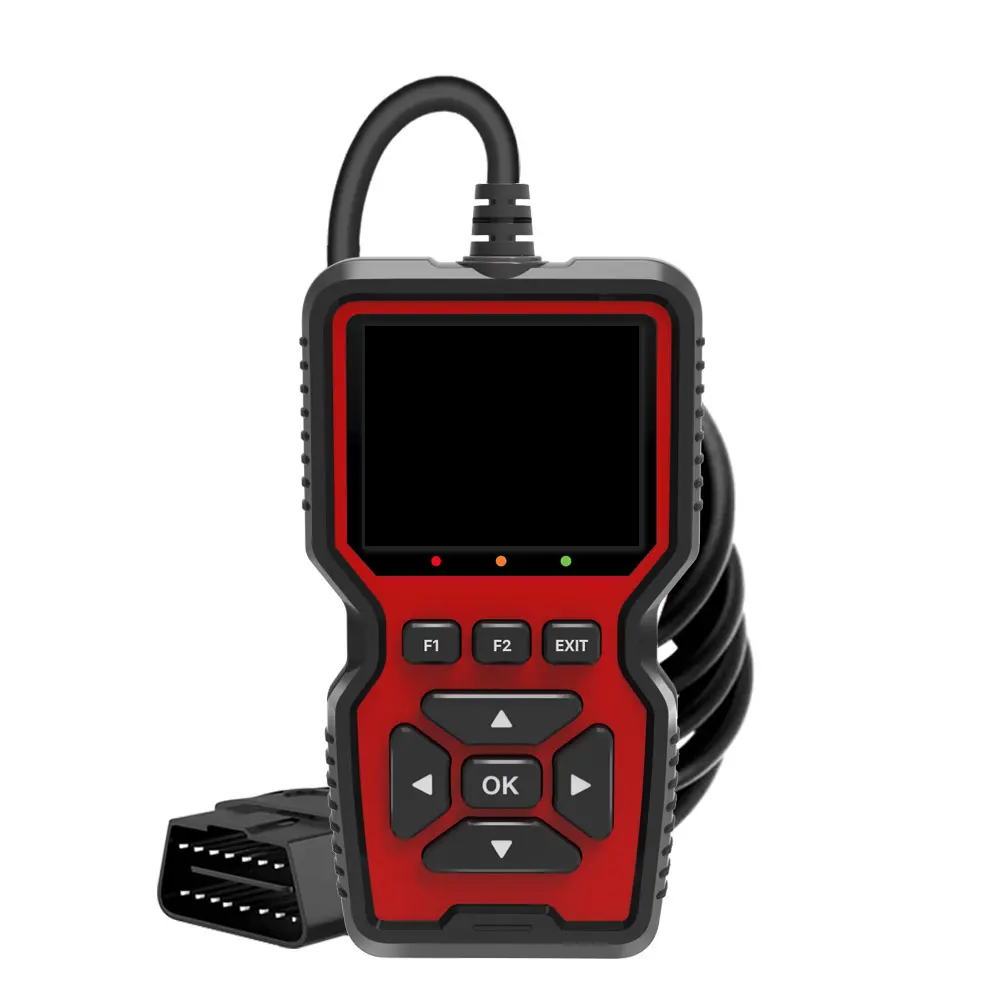
Diagnosing P1441 requires a systematic approach, often involving an advanced OBD-II scanner and a digital multimeter (DMM).
- Retrieve Freeze Frame Data and DTCs: Use an OBD-II scanner to read P1441 and any other related codes. Note the freeze frame data, as it can provide insights into engine conditions when the fault occurred (e.g., engine RPM, engine temperature, fuel trim values).
- Visual Inspection:
- Inspect all visible EVAP system vacuum lines, connections, and the EVAP purge valve itself for cracks, damage, loose connections, or signs of tampering. Pay close attention to the lines connected to the intake manifold and the purge valve.
- Check the electrical connector at the purge valve for corrosion, damage, or loose pins.
- Perform Purge Valve Electrical and Mechanical Test:
- With the engine running at idle, use the OBD-II scanner’s bidirectional control function to command the EVAP purge valve open and closed. Listen for a distinct clicking sound from the valve.
- While commanding the valve closed, use a vacuum gauge connected to the vacuum hose between the purge valve and the intake manifold. There should be no vacuum present. If vacuum is present, the purge valve is leaking internally and allowing manifold vacuum to pull on the EVAP system when it shouldn’t.
- With the valve commanded open, you should observe vacuum. The FTP sensor reading on live data should also change.
- Measure the resistance of the purge valve solenoid using a DMM. Compare the reading to manufacturer specifications (typically 10-25 ohms). An open circuit or excessively high/low resistance indicates an internal fault.
- Check for proper voltage supply (usually battery voltage) and ground at the purge valve electrical connector. The ECM controls the ground side for duty cycle.
- Monitor Live Data:
- Observe the Fuel Tank Pressure (FTP) sensor reading with the engine off and the fuel cap removed (should be close to atmospheric pressure, 0.0 inH2O). Then, reinstall the cap. If the FTP sensor reads a vacuum or pressure when the system should be at rest, it could indicate a faulty sensor or a leak.
- Monitor Short Term Fuel Trim (STFT) and Long Term Fuel Trim (LTFT). An uncommanded vacuum leak from the EVAP system (due to a faulty purge valve) can cause a lean condition, leading to positive fuel trims.
- EVAP System Smoke Test (if necessary): While P1441 specifically points to uncommanded flow rather than a general leak, a smoke test can confirm the integrity of the lines and the purge valve’s sealing capability if other tests are inconclusive. Apply smoke to the EVAP system and observe for smoke escaping from the purge valve or associated lines when the valve is commanded closed.
Recommended Repairs and Solutions
Based on the diagnostic findings, the following repairs are typically recommended:
- Replace the EVAP Purge Valve: This is by far the most common repair for P1441. Ensure the replacement part is an OEM equivalent or a high-quality aftermarket component, as cheaper alternatives may not last or function correctly.
- Repair or Replace Damaged EVAP Hoses: If a visual inspection reveals cracked, chafed, or disconnected vacuum hoses around the purge valve or intake manifold, replace them with appropriate fuel vapor-rated hose material.
- Clean or Replace Contaminated Purge Valve: In some cases, a purge valve might be fouled with carbon or debris. Attempting to clean it might offer a temporary fix, but replacement is generally more reliable.
- Replace the EVAP Canister Vent Valve: If diagnostics clearly point to the vent valve failing to seal, leading to misdiagnosis of flow, it should be replaced.
- Replace Fuel Tank Pressure (FTP) Sensor: Only if specifically diagnosed as faulty and providing incorrect readings.
- ECM/PCM Reprogramming or Replacement: This is a very rare solution for P1441. It should only be considered after thoroughly exhausting all other diagnostic avenues and confirming no other component failures.
Mechanics’ Tips:
- Always clear the DTCs after performing repairs and then conduct a comprehensive drive cycle to allow the ECM to run its full array of EVAP diagnostic tests. Monitor live data during this drive to confirm proper system operation.
- Be aware of Technical Service Bulletins (TSBs) specific to Chevrolet models regarding P1441, as some vehicles may have known issues or updated parts.
- When testing the purge valve, ensure the engine is at operating temperature, as EVAP diagnostics often have specific enabling conditions.
- A common mistake is to replace the purge valve without verifying its functionality first. Always test the old valve to confirm it was indeed the source of the problem.