What Does Code P1287 Mean?
The diagnostic trouble code P1287 signifies “Fuel Pulse In Range But Higher Than Expected.” This code is set by the Engine Control Module (ECM) or Powertrain Control Module (PCM) when it detects that the commanded fuel injector pulse width is consistently and significantly greater than the ECM’s internally calibrated and adaptively learned baseline values for optimal stoichiometric combustion under specific engine operating conditions. While the fuel pulse width remains within the physical operating limits of the injectors and the ECM’s ability to maintain a functional air/fuel ratio, it is excessively high, indicating a persistent lean condition that the ECM is strenuously attempting to correct. The ECM utilizes feedback from various sensors, primarily the upstream oxygen (O2) sensors and Mass Airflow (MAF) or Manifold Absolute Pressure (MAP) sensors, to calculate the required fuel delivery. When O2 sensors report a lean condition, the ECM responds by increasing the fuel injector pulse width (positive fuel trim adjustment) to add more fuel. If this compensatory adjustment becomes substantially high and sustained over multiple drive cycles, indicating a greater demand for fuel than expected by its adaptive strategies, P1287 is triggered, signaling an underlying issue causing an abnormal lean mixture.
Common Symptoms
- Check Engine Light (MIL) illumination: The primary indicator that the ECM has detected a fault.
- Reduced fuel economy: Due to the ECM commanding longer injector pulse widths to compensate for a lean condition.
- Rough idle or hesitation: Particularly noticeable if the ECM’s ability to compensate is reaching its limits.
- Decreased engine performance: Including a noticeable lack of power during acceleration, as the engine is running lean despite corrections.
- Increased exhaust emissions: A lean condition can lead to incomplete combustion and higher NOx emissions.
- Potential failed emissions test: Due to the underlying lean condition or increased emissions.
What Causes the Code P1287?
- Vacuum leaks: Unmetered air entering the intake system after the MAF sensor (e.g., cracked vacuum hoses, leaky intake manifold gaskets, faulty PCV valve or hoses), causing the engine to run lean.
- Exhaust leaks upstream of the O2 sensor: Ambient air entering the exhaust stream before the upstream O2 sensor can cause it to falsely report a lean condition, leading the ECM to excessively enrich the mixture.
- Low fuel pressure: Caused by a weak fuel pump, restricted fuel filter, or a faulty fuel pressure regulator. Insufficient pressure means less fuel is delivered per injector pulse, requiring the ECM to command longer pulse widths to compensate.
- Partially clogged fuel injectors: Reduced fuel flow from one or more injectors results in a lean condition that the ECM attempts to correct by increasing the global fuel pulse width.
- Faulty Mass Airflow (MAF) sensor: An inaccurate MAF sensor that under-reports actual airflow will cause the ECM to initially inject less fuel than required, resulting in a lean condition detected by the O2 sensors, prompting the ECM to significantly increase fuel pulse width.
- Faulty Oxygen (O2) sensor(s): Specifically, an upstream O2 sensor that is inaccurately reporting a lean condition (e.g., slow response, degraded performance) when the air/fuel mixture is actually correct or slightly rich, forcing the ECM to overly enrich the mixture.
- Internal Engine Mechanical Issues: While less common, issues like low compression or incorrect valve timing can lead to inefficient combustion and perceived lean conditions, requiring greater fuel pulse width compensation.
- ECM/PCM software corruption or internal fault: Rarely, an internal ECM fault or corrupted software calibration can lead to incorrect fuel pulse width calculations.
How to Diagnose and Troubleshoot
Diagnosing P1287 requires a systematic approach, focusing on components affecting air/fuel ratio and fuel delivery:
- OBD-II Scanner Data Analysis:
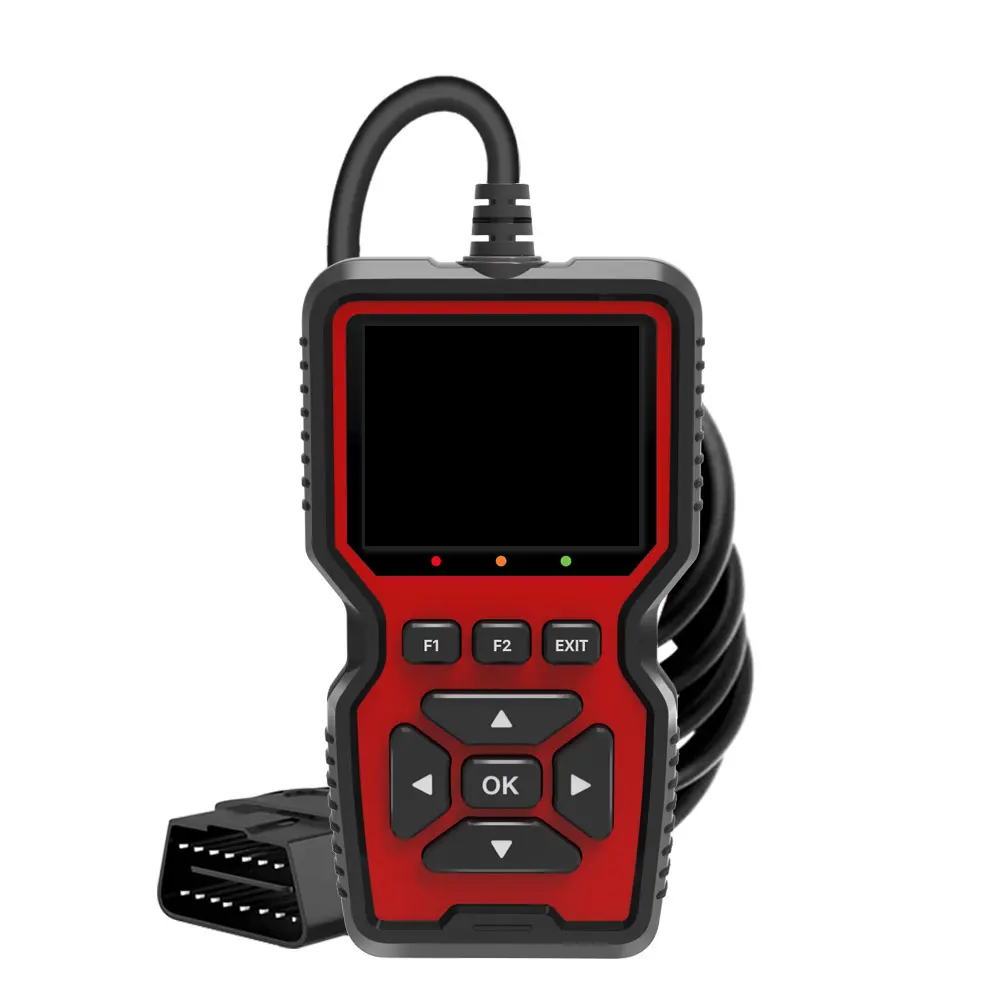
- Connect a professional-grade OBD-II scanner and retrieve freeze frame data associated with P1287. This data provides crucial information about engine conditions (RPM, load, temperature, fuel trims) at the moment the code was set, helping to narrow down the operational range where the fault occurs (e.g., idle, cruise, acceleration).
- Monitor live data streams, paying close attention to Long-Term Fuel Trims (LTFT) and Short-Term Fuel Trims (STFT) for both engine banks (if applicable). Consistently high positive fuel trims (typically +10% to +25% or higher) are a strong indicator of a persistent lean condition the ECM is trying to overcome.
- Observe upstream Oxygen (O2) sensor voltages (for narrow-band) or current (for wide-band). Look for readings that consistently indicate a lean mixture (low voltage for narrow-band, or specific current readings for wide-band) even with high positive fuel trims.
- Monitor Mass Airflow (MAF) sensor readings (grams/second or pounds/minute) at idle and various RPMs. Compare these readings to manufacturer specifications or known good values for the specific engine. A MAF sensor that consistently reads lower than expected can be a significant cause.
- Check Manifold Absolute Pressure (MAP) sensor readings at Key-On-Engine-Off (KOEO) and idle. At KOEO, MAP should approximate barometric pressure. At idle, it should be stable and within specification.
- Visual Inspection and Leak Detection:
- Perform a thorough visual inspection of all vacuum hoses, intake manifold gaskets, PCV system components (valve, hoses), and throttle body gasket for any signs of cracks, damage, or disconnections.
- Utilize a smoke machine to pressurize the intake system. Smoke escaping from any component after the MAF sensor indicates a vacuum leak.
- Inspect the exhaust system for any leaks, particularly upstream of the catalytic converter and before the upstream O2 sensors. Listen for abnormal hissing or puffing sounds.
- Examine wiring harnesses and electrical connectors for the MAF sensor, O2 sensors, and fuel injectors for signs of damage, corrosion, or loose connections.
- Fuel System Diagnostic Tests:
- Perform a fuel pressure test using a mechanical fuel pressure gauge. Connect the gauge to the fuel rail and compare readings to manufacturer specifications at idle, under load (if safe and feasible), and after engine shutdown to check for pressure bleed-down (indicating a leaking injector or faulty check valve).
- If low fuel pressure is suspected, isolate components (fuel filter, fuel pump, regulator) to pinpoint the exact failure.
- Conduct a fuel injector balance test (if supported by your scanner or with a dedicated tool) to identify individual injectors that may be partially clogged or malfunctioning. As an alternative, removal and professional flow testing of injectors may be necessary.
- Sensor Verification with DMM:
- If MAF readings are suspicious, and no physical leaks are found, use a Digital Multimeter (DMM) to test MAF sensor output (voltage or frequency) according to manufacturer-specific diagnostic procedures.
- Verify O2 sensor heater circuits and signal wires for proper operation, especially if other O2 sensor-related codes are present.
- ECM/PCM Assessment: As a last resort, if all other diagnostic steps fail to identify a cause, consider consulting dealer-specific diagnostic tools for PCM re-flash or replacement, though this is rare for P1287 without other accompanying codes.
Recommended Repairs and Solutions
Addressing P1287 typically involves rectifying the underlying lean condition or erroneous sensor readings:
- Repair Vacuum Leaks: This is often the most common cause. Replace any cracked or deteriorated vacuum hoses, intake manifold gaskets, throttle body gaskets, PCV valve, or PCV system hoses identified during the smoke test or visual inspection.
- Repair Exhaust Leaks: Patch or replace exhaust components upstream of the upstream O2 sensors to prevent false lean readings.
- Address Fuel Delivery Issues:
- Replace the fuel filter if it is restricted and contributing to low fuel pressure.
- Replace the fuel pump or fuel pressure regulator if the fuel pressure test confirms they are faulty and causing low fuel pressure.
- Clean or replace fuel injectors: If individual injector flow tests reveal partial clogging, professional ultrasonic cleaning can often restore functionality. If an injector is faulty, replacement is necessary.
- Replace Faulty Sensors:
- Replace the Mass Airflow (MAF) sensor if diagnostic tests confirm it is under-reporting actual airflow. It is highly recommended to use OEM or reputable aftermarket MAF sensors for accurate readings.
- Replace the upstream Oxygen (O2) sensor(s) if diagnostic tests indicate they are providing inaccurate or slow readings that lead to false lean conditions.
- Clear Code and Verify Repair: After completing any repairs, clear the P1287 code using an OBD-II scanner. Perform several drive cycles under various operating conditions and monitor live data, particularly fuel trims, to ensure they return to normal operating ranges (typically within +/- 5-7%). Ensure the code does not return.