What Does Code P1309 Mean?
DTC P1309 stands for Misfire Monitor AICE Chip Fault. This code is predominantly found in Ford vehicles and indicates that the Powertrain Control Module (PCM), also known as the Engine Control Module (ECM), has detected an internal fault within its misfire monitoring system. Specifically, it refers to an issue with the “Adaptive Idle Control Error” (AICE) chip or a specific software module within the PCM responsible for adaptive idle control and the precise detection of engine misfires. The PCM continuously monitors crankshaft rotational speed variations using the crankshaft position (CKP) sensor to identify misfires. The AICE component typically plays a role in refining this detection, especially at idle, by adapting to various engine loads and conditions. When the PCM sets P1309, it means its internal diagnostic routines have identified a malfunction, inconsistency, or failure within this specific hardware or software component itself, rather than an actual external misfire event. This compromises the PCM’s ability to accurately detect, record, and report engine misfires, often leading to the disabling of the misfire monitor and associated misfire-related diagnostic routines.
Common Symptoms
- Check Engine Light (MIL) Illumination: The Malfunction Indicator Lamp will be illuminated on the dashboard.
- No Apparent Engine Performance Issues: The engine may run smoothly without any noticeable misfires, rough idle, or power loss, as the code indicates a fault in the monitor, not necessarily an actual misfire.
- Potential for Rough or Unstable Idle: Although not always present, if the AICE functionality directly impacts idle control, an inconsistent or slightly rough idle might be observed.
- Inability to Pass Emissions Testing: Due to the illuminated MIL and the potential for the misfire monitor to be “incomplete” or “not ready.”
- Other Misfire Codes May Be Present or Suppressed: If actual misfires are occurring, the PCM may not be able to set the appropriate P03XX misfire codes due to the fault in its monitoring system.
What Causes the Code P1309?
- Internal Powertrain Control Module (PCM) Fault: This is the most direct and common cause. The “AICE chip fault” implies a hardware failure within the PCM itself, affecting the specific integrated circuit or an internal software module responsible for misfire monitoring and adaptive idle control.
- Corrupted PCM Software or Firmware: A rare but possible cause could be data corruption within the PCM’s programming, leading the PCM to misinterpret its internal diagnostics or fail to properly execute the misfire monitoring algorithms.
- Electrical Overstress or Damage to PCM: While not a direct cause, severe voltage spikes, persistent low voltage, or improper grounding conditions could potentially stress or damage internal PCM components over time, leading to such an internal fault. However, the code itself points to a specific internal monitor fault rather than general power issues.
How to Diagnose and Troubleshoot
Given that P1309 points to an internal PCM fault, external component testing is often limited. The diagnostic process primarily focuses on confirming the code and ruling out external influences before condemning the PCM.
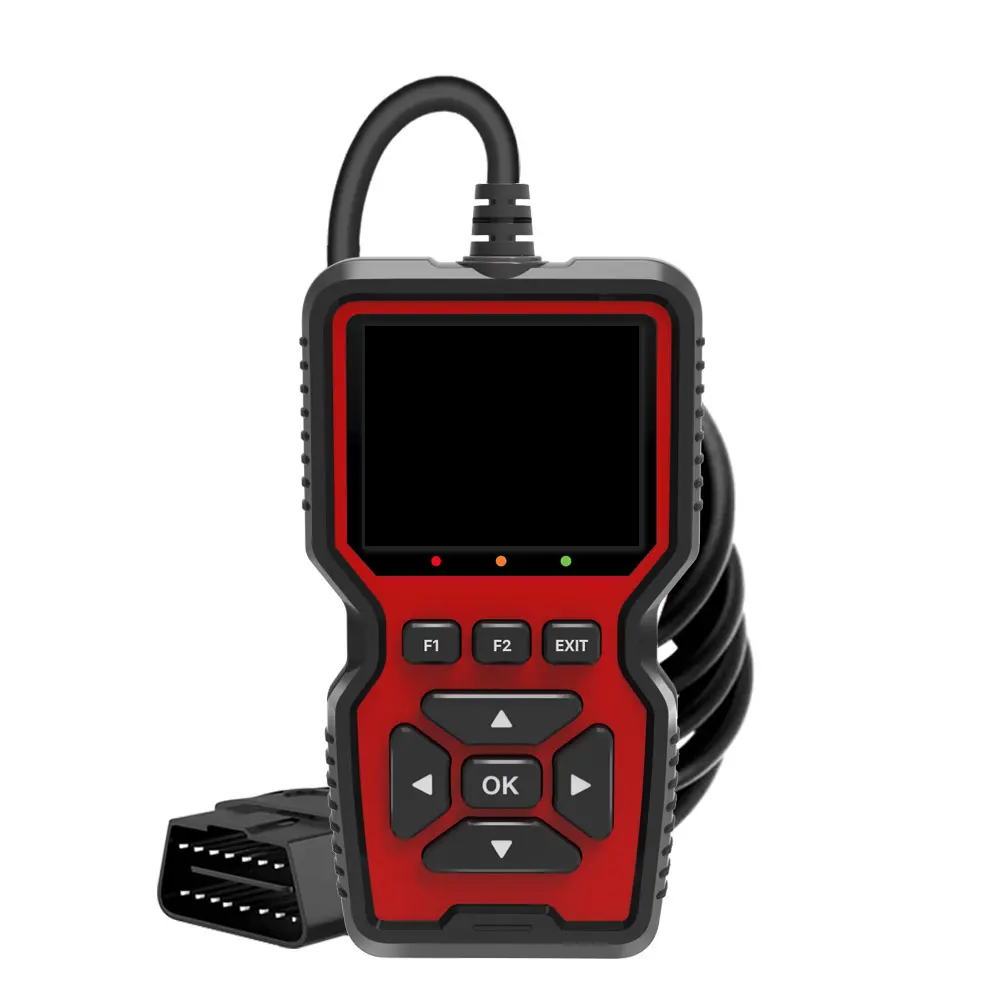
- Verify Code and Freeze Frame Data: Connect an OBD-II scanner to confirm P1309 is present. Note any accompanying codes, especially internal control module codes (U-codes or specific manufacturer codes). Review freeze frame data to understand engine conditions when the code was set.
- Check for Technical Service Bulletins (TSBs) and Recalls: Research manufacturer-specific TSBs or recalls for the vehicle’s make, model, and year related to P1309 or PCM misfire monitor issues. A known software update or specific diagnostic procedure might exist.
- Visual Inspection of PCM and Wiring Harness: Carefully inspect the PCM and its connectors for any signs of physical damage, corrosion, water intrusion, bent pins, or loose connections. Inspect the main power and ground wires leading to the PCM for integrity.
- PCM Power and Ground Circuit Integrity Check: Using a Digital Multimeter (DMM), back-probe the PCM connectors (refer to vehicle-specific wiring diagrams) to verify stable battery voltage (12.6V or greater, engine off) on all power input pins and minimal resistance (less than 0.1 ohms) to ground on all ground pins. Any significant voltage drop or high resistance could indicate an external electrical issue that may be contributing to or stressing the PCM. Ensure voltage remains stable during engine cranking and running.
- Review Live Data (Misfire Counters): While the misfire monitor itself is faulted, observe live misfire counter data for individual cylinders. If the data is completely static, displays erratic impossible values, or doesn’t change when actual misfires might be induced (e.g., by temporarily disabling a spark plug), it further supports a fault within the misfire detection system. However, the primary indication is the P1309 code itself.
- PCM Self-Tests (Manufacturer Specific): If access to a factory-level diagnostic tool (e.g., Ford IDS) is available, run specific PCM self-tests or diagnostic routines that might offer more granular information about internal PCM component health.
- Clear Codes and Road Test: After performing all external checks and finding no issues, clear the DTCs and perform an extended drive cycle under various conditions to see if P1309 returns. If it returns immediately, especially without any other preceding codes, it strongly reinforces an internal PCM fault.
Recommended Repairs and Solutions
Since P1309 primarily indicates an internal fault within the PCM’s misfire monitoring component, the most common and often only effective solution is PCM replacement.
- Powertrain Control Module (PCM) Replacement:
- Given that the code points to a specific internal “chip fault,” the PCM itself is usually the culprit and requires replacement.
- Important Note: A new PCM will need to be properly programmed (flashed) with the correct vehicle-specific software calibration. This process often requires specialized diagnostic tools (e.g., Ford IDS for Ford vehicles) to ensure proper engine operation, transmission control, and to synchronize with the vehicle’s immobilizer system (PATS, Passive Anti-Theft System). Improper programming can lead to a no-start condition or other drivability issues.
- PCM Reprogramming/Reflash (Less Common but Possible):
- In some rare instances, a software glitch rather than a hard internal component failure could trigger P1309. A dealer-level reflash with the latest software calibration might resolve the issue. This should be considered if available and less costly before full PCM replacement, but a “chip fault” often implies a hardware issue.
- Address Underlying Electrical Issues (If Found):
- If any external power, ground, or wiring issues to the PCM were identified during diagnosis, these must be thoroughly repaired before installing a new PCM. Failing to do so could lead to repeated damage to the replacement unit.
- Post-Repair Verification:
- After PCM replacement and programming, clear all DTCs.
- Perform a series of drive cycles under varying conditions to allow all monitors to run and complete.
- Re-scan the system to confirm that P1309 does not return and that no new DTCs have been set.
- Verify that the misfire monitor now shows as “complete” or “ready” (if applicable) and that the MIL remains off.