What Does Code P1313 Mean?
The OBD-II diagnostic trouble code P1313, commonly defined as “Misfire Rate Catalyst Damage Fault – Bank 1,” indicates that the Engine Control Module (ECM) or Powertrain Control Module (PCM) has detected a critical level of misfires occurring specifically on Bank 1 of the engine. This level of misfiring is deemed severe enough by the vehicle’s manufacturer to potentially cause irreversible damage to the catalytic converter on that bank. Unlike a standard misfire code (e.g., P0301), P1313 specifically highlights the risk to the catalytic converter. The PCM monitors crankshaft speed fluctuations via the crankshaft position sensor. When a cylinder misfires, the crankshaft momentarily slows down, which the PCM interprets as an irregularity. If the frequency and intensity of these irregularities on Bank 1 exceed a predetermined threshold designed to protect the catalytic converter from overheating, code P1313 is set. Unburnt fuel entering the hot catalytic converter can ignite within the catalyst matrix, causing extreme temperatures that can melt the precious metals or damage the ceramic substrate, leading to reduced efficiency, increased backpressure, and ultimately, failure.
Common Symptoms
- Check Engine Light (CEL) illumination: Often, the CEL will flash, indicating a severe misfire condition that is actively damaging the catalytic converter.
- Reduced engine performance: Noticeable loss of power, poor acceleration, and overall sluggishness.
- Rough idling or engine stumbling: The engine may vibrate excessively, feel unsteady, or stall at idle.
- Poor fuel economy: Inefficient combustion due to misfires leads to increased fuel consumption.
- Sulfur or “rotten egg” smell from the exhaust: A strong smell can indicate a severely overloaded or damaged catalytic converter.
- Engine vibrations: Pronounced shaking or shuddering of the vehicle, particularly at lower RPMs.
What Causes the Code P1313?
- Faulty spark plugs: Worn, fouled, cracked, or incorrectly gapped spark plugs on Bank 1.
- Defective ignition coils: Malfunctioning individual coil-on-plug units or a faulty ignition coil pack affecting cylinders on Bank 1.
- Clogged or faulty fuel injectors: Restricted or malfunctioning fuel injectors on Bank 1 causing a lean misfire.
- Vacuum leaks: Leaks in the intake manifold gaskets, vacuum hoses, PCV system, or brake booster causing unmetered air to enter the engine on Bank 1, leading to a lean condition and misfires.
- Low fuel pressure: A failing fuel pump, restricted fuel filter, or faulty fuel pressure regulator supplying insufficient fuel pressure to Bank 1.
- Internal engine issues: Mechanical problems such as low compression (due to worn piston rings, damaged valves, or head gasket issues) in cylinders on Bank 1.
- Wiring harness problems: Damaged, corroded, or shorted wiring affecting the ignition coils or fuel injectors on Bank 1.
- Excessive carbon buildup: Significant carbon deposits on intake valves, particularly in direct injection (GDI) engines, impeding airflow and leading to misfires.
- ECM/PCM malfunction: While less common, a faulty engine control module can sometimes incorrectly interpret sensor data or fail to control ignition/fuel delivery correctly.
How to Diagnose and Troubleshoot
Diagnosing P1313 requires a methodical approach to identify the root cause of the severe misfire. Follow these steps:
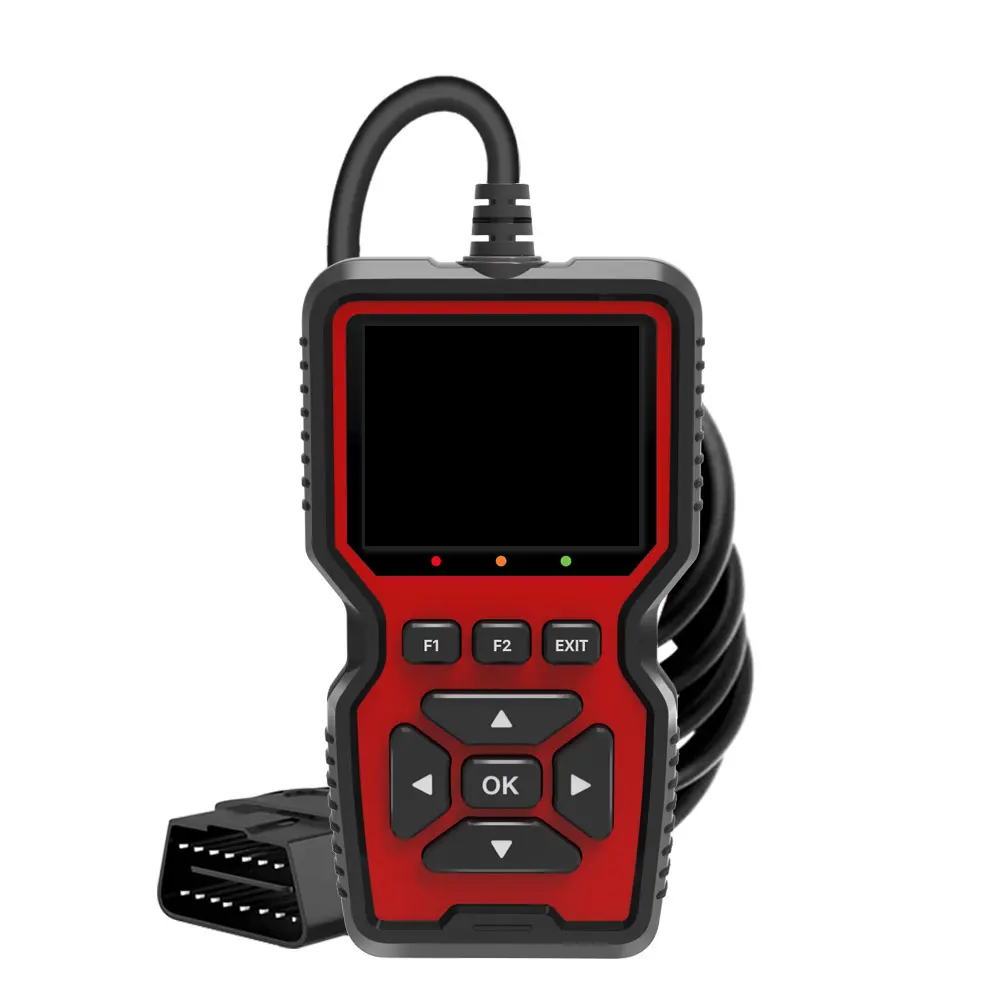
- Initial Scan and Data Analysis: Connect an advanced OBD-II scanner. Record freeze frame data to understand engine conditions when the code was set. Check for other accompanying misfire codes (P030x) specifically for cylinders on Bank 1. This is crucial for narrowing down which specific cylinders are most affected.
- Visual Inspection of Ignition Components: On Bank 1, visually inspect spark plugs, ignition coils, and their electrical connectors. Look for signs of carbon tracking, cracks, oil fouling on spark plug insulators, rust, or corrosion on connectors. Check for any obvious signs of rodent damage to wiring.
- Cylinder Contribution Test: If your scanner supports it, perform a cylinder balance or contribution test. This can pinpoint which specific cylinder(s) on Bank 1 are misfiring most severely.
- Ignition System Testing:
- Spark Plug Inspection/Replacement: If spark plugs are old or show signs of wear/fouling, replace them, focusing on Bank 1 first. It’s often recommended to replace all plugs on a bank or even the entire engine for uniform performance.
- Ignition Coil Testing: If a specific cylinder misfire is identified, swap its ignition coil with a known good coil from another cylinder (preferably on Bank 2 if accessible, or a non-misfiring cylinder on Bank 1). If the misfire follows the coil, replace the coil. Use a dedicated ignition spark tester to verify spark output from each coil.
- Wiring Integrity: Use a Digital Multimeter (DMM) to check for proper power and ground supply to each ignition coil connector and signal integrity from the ECM/PCM.
- Fuel System Testing:
- Fuel Injector Inspection: With the engine running, use a mechanic’s stethoscope to listen for consistent clicking sounds from each fuel injector on Bank 1. Inconsistent or absent clicking suggests a faulty injector.
- Fuel Injector Resistance/Pulse Test: Use a DMM to check the resistance of the fuel injectors. Compare readings to manufacturer specifications. An advanced scanner can monitor injector pulse width for inconsistencies. A fuel injector balance test (if supported by the scanner) can help identify flow issues.
- Fuel Pressure Test: Connect a fuel pressure gauge to the fuel rail. Monitor fuel pressure at idle, under load, and after the engine is shut off (key on, engine off) to check for proper pressure and retention. Compare to manufacturer specifications.
- Vacuum Leak Detection:
- Smoke Machine: Introduce smoke into the intake manifold system. Observe for smoke escaping from faulty gaskets (intake manifold, throttle body), cracked hoses, or loose fittings on Bank 1.
- Propane/Carb Cleaner Test: Carefully spray small bursts of unlit propane or carb cleaner around suspected vacuum leak areas while the engine is running. A noticeable change in engine RPM indicates a leak. Exercise extreme caution with flammable materials.
- Engine Mechanical Inspection: If ignition and fuel systems check out, a compression test (wet and dry) on all cylinders on Bank 1 is necessary to identify potential internal engine issues like worn piston rings, bent valves, or head gasket leaks.
- O2 Sensor Monitoring: Monitor live data for upstream and downstream oxygen sensors on Bank 1. Erratic upstream O2 sensor readings can indicate a misfire, while similar readings between upstream and downstream sensors (after misfire repair) can confirm catalyst damage.
Recommended Repairs and Solutions
The primary focus for resolving P1313 is to eliminate the source of the severe misfires. Once the misfire is fixed, assess the catalytic converter for potential damage.
- Replace Faulty Ignition Components: If diagnosis points to spark plugs or ignition coils, replace them. It is generally recommended to replace all spark plugs on Bank 1, or even all cylinders, especially if they are due for maintenance, to ensure even performance and prevent future misfires.
- Address Fuel System Issues: If fuel injectors are clogged, attempt to clean them with a professional fuel injector cleaning service; otherwise, replace the faulty injectors. Replace a failing fuel pump, restricted fuel filter, or faulty fuel pressure regulator to restore correct fuel pressure.
- Repair Vacuum Leaks: Replace any cracked vacuum hoses, PCV valves, or intake manifold gaskets identified as leaking.
- Perform Engine Mechanical Repairs: If a compression test reveals internal engine damage, repairs may involve replacing piston rings, valve work, or head gasket replacement. These are more significant and costly repairs.
- Catalytic Converter Replacement: After verifying that the misfire condition has been completely resolved and all related P030x codes are gone, you must assess the catalytic converter for damage. If the misfires were severe and prolonged, the catalyst is likely damaged and will need replacement. Symptoms of a damaged catalyst include reduced engine power, excessive exhaust smell, or a failed emissions test. Confirm catalyst efficiency through monitoring downstream O2 sensor data or by performing an exhaust backpressure test.
Important Mechanics’ Tips:
- A flashing Check Engine Light signals an active misfire that WILL damage the catalytic converter. Driving the vehicle under this condition is highly discouraged as it will lead to more expensive repairs.
- Always prioritize fixing the root cause of the misfire before considering catalytic converter replacement. A new catalyst will fail again if the underlying misfire is not corrected.
- When replacing catalytic converters, opt for OEM or high-quality aftermarket units. Cheaper converters may not meet emissions standards or provide long-term reliability.
- After completing repairs, clear the diagnostic trouble codes and perform a comprehensive drive cycle to allow all readiness monitors to run and ensure the problem does not recur. Monitor live data closely during the drive cycle, paying attention to misfire counters and fuel trims.