What Does Code P1388 Mean?
DTC P1388 signifies a condition where the Engine Control Module (ECM) or Powertrain Control Module (PCM) detects that the variable cam timing for Bank 2 is consistently or excessively over-retarded compared to its commanded or expected position. The Variable Valve Timing (VVT) or Variable Cam Timing (VCT) system is designed to optimize valve overlap and lift across various engine speeds and loads, enhancing fuel economy, reducing emissions, and improving engine performance. This is achieved by dynamically adjusting the rotational position of the camshaft relative to the crankshaft using a camshaft phaser actuated by an oil control valve (OCV) or VCT solenoid.
The ECM continuously monitors the actual camshaft position using the Camshaft Position (CMP) sensor(s) and compares this feedback to its internally calculated and commanded target position. When the ECM commands an advance or retard adjustment for Bank 2, it expects a corresponding change in the CMP sensor signal within a specific timeframe and range. Code P1388 is set when the ECM observes that the actual camshaft timing on Bank 2 remains consistently more retarded than the commanded position, or it is stuck in a retarded state and cannot achieve the desired advance, for a calibrated period or under specific engine operating conditions. “Bank 2” refers to the cylinder bank that does not contain cylinder #1.
Common Symptoms
- Check Engine Light (CEL) Illumination: The primary and most direct symptom.
- Reduced Engine Performance: Noticeable loss of power, sluggish acceleration, and reduced high-end RPM output.
- Rough Idle: The engine may idle erratically, shake, or feel unstable due particularly to incorrect valve overlap at idle speeds.
- Increased Fuel Consumption: Inefficient combustion due to improper valve timing can lead to poorer fuel economy.
- Failed Emissions Test: Elevated hydrocarbon (HC) and nitrogen oxide (NOx) emissions are common.
- Engine Knocking or Pinging: Incorrect valve timing can lead to pre-ignition or detonation, especially under load.
- Stalling: The engine may stall, especially at low speeds or when coming to a stop.
What Causes the Code P1388?
- Faulty Variable Cam Timing (VCT) Oil Control Valve (OCV) / Solenoid (Bank 2): This is the most common cause. The solenoid may be electrically faulty, mechanically stuck open or closed, or obstructed by debris, preventing proper oil flow to the cam phaser.
- Low Engine Oil Pressure or Incorrect Oil Viscosity: The VVT system relies on clean, correctly pressurized engine oil to actuate the cam phasers. Insufficient pressure or oil that is too thin/thick can prevent proper phaser operation.
- Contaminated Engine Oil: Sludge, metal particles, or carbon deposits in the engine oil can clog the VCT solenoid, oil passages within the cylinder head, or internal passages of the cam phaser itself, restricting oil flow.
- Faulty Camshaft Phaser / Actuator (Bank 2): Internal mechanical failure of the phaser, such as worn locking pins, damaged internal springs, or oil leaks within the phaser, preventing it from holding or achieving the commanded position.
- Wiring or Connector Issues: An open circuit, short circuit, or high resistance in the wiring harness or connector to the Bank 2 VCT solenoid or Camshaft Position (CMP) sensor.
- Faulty Camshaft Position (CMP) Sensor (Bank 2): While less common to cause an “over-retarded” specific fault, a malfunctioning CMP sensor providing inaccurate feedback could lead the ECM to misinterpret the actual cam position.
- Timing Chain Stretch or Misalignment: Excessive stretch in the timing chain, worn chain guides/tensioners, or improper initial timing chain installation can cause a persistent offset in camshaft timing.
- Engine Control Module (ECM) / Powertrain Control Module (PCM) Malfunction: While rare, an internal fault within the ECM/PCM preventing it from properly commanding the VCT solenoid or accurately interpreting sensor data can set the code.
How to Diagnose and Troubleshoot
A systematic diagnostic approach is crucial for P1388. Always begin with the least intrusive steps.
- Initial Visual Inspection and Oil System Check:
- Check engine oil level and condition. Low oil or excessively dirty/sludgy oil is a prime suspect. Verify correct oil viscosity according to manufacturer specifications.
- Visually inspect the wiring harness and connectors for the Bank 2 VCT solenoid and CMP sensor for any signs of damage, fraying, loose connections, or corrosion.
- OBD-II Scanner Diagnostics:
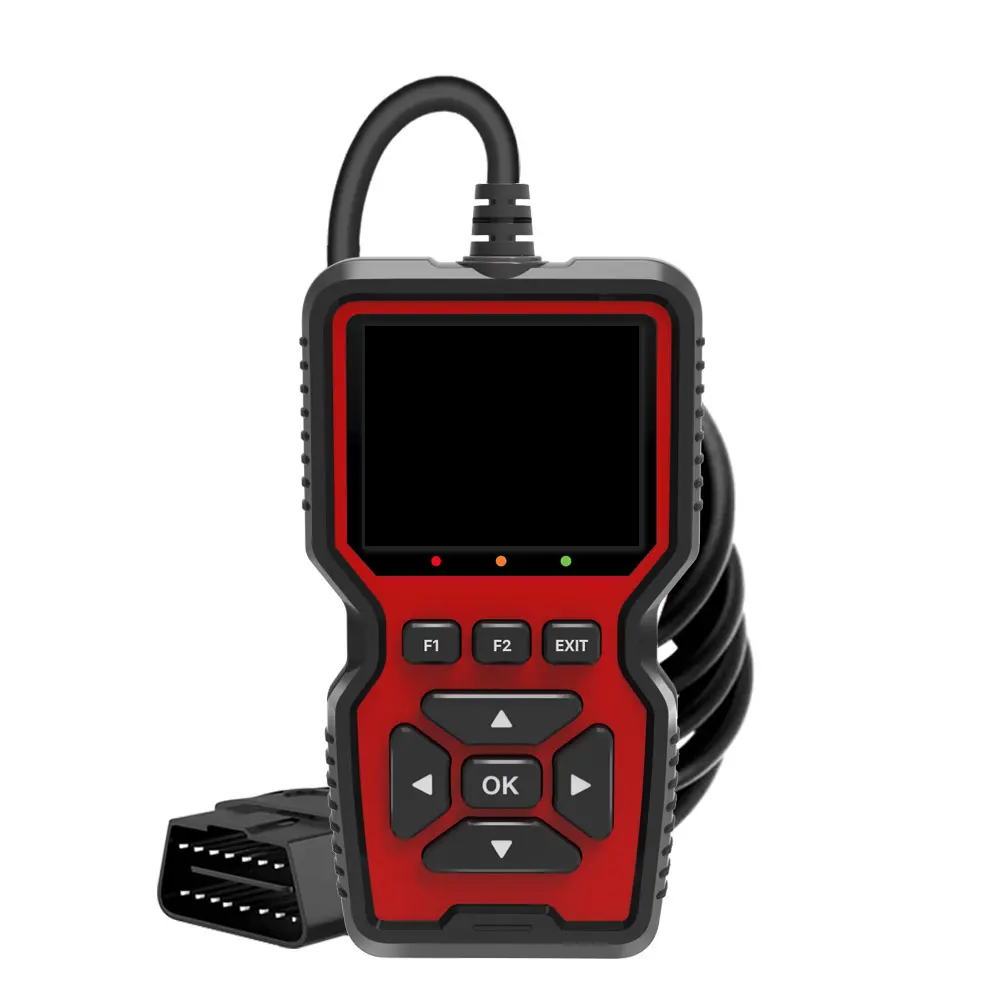
- Connect an OBD-II scan tool and retrieve freeze frame data. This data captures the engine parameters (RPM, load, coolant temp, etc.) at the moment the code was set, providing valuable context.
- Monitor live data streams:
- Camshaft Position (CMP) Actual vs. Commanded: Observe the commanded cam angle for Bank 2 and compare it to the actual cam angle reported by the CMP sensor. A consistent discrepancy where actual is more retarded than commanded points to a problem. Compare Bank 2 data with Bank 1 (if applicable) for a known-good reference.
- VCT Solenoid Duty Cycle / Current: Monitor the control signal to the Bank 2 VCT solenoid. The ECM should be commanding adjustments.
- Engine Oil Pressure Sensor: If available, monitor this reading to confirm adequate oil pressure.
- Perform a bi-directional control test (if available on the scan tool) for the Bank 2 VCT solenoid. Command the solenoid to cycle through its advance and retard positions while monitoring live CMP data. Listen for changes in engine idle quality. If no change is observed or the CMP position doesn’t respond as expected, it strongly implicates the solenoid or phaser.
- Electrical System Testing (Using a Digital Multimeter – DMM):
- VCT Solenoid Resistance: Disconnect the Bank 2 VCT solenoid electrical connector. Measure the resistance across the solenoid terminals using a DMM. Compare the reading to manufacturer specifications (typically 6-15 ohms). An open circuit (infinite resistance) or a short circuit (near zero resistance) indicates an internal solenoid fault.
- Power and Ground to VCT Solenoid: With the key ON (engine OFF), check for proper voltage supply at the VCT solenoid connector (typically 12V from ignition). Check for a good ground connection.
- Wiring Harness Integrity: Perform continuity tests on the wiring harness between the VCT solenoid connector and the ECM/PCM connector. Check for shorts to ground or power. Use a breakout box if needed for ECM terminal access.
- CMP Sensor Output (if suspected): While P1388 specifically points to a timing issue, a faulty CMP sensor providing erroneous feedback could theoretically contribute. Check sensor wiring for continuity and resistance. An oscilloscope can be used to verify the CMP sensor’s waveform during engine cranking/running.
- Mechanical System Testing:
- VCT Solenoid Inspection: Remove the Bank 2 VCT solenoid from the cylinder head. Visually inspect it for debris, sludge, or scoring. Briefly apply 12V and ground to the solenoid terminals (observing polarity if specified) to confirm it actuates mechanically. Ensure the internal screen is clean and intact.
- Manual Engine Oil Pressure Check: If low oil pressure is suspected or indicated, remove the engine oil pressure sensor and install a mechanical oil pressure gauge. Start the engine and verify oil pressure against manufacturer specifications at various RPMs.
- Camshaft Phaser Inspection (Advanced): If the VCT solenoid tests good and oil pressure is adequate, the camshaft phaser itself may be faulty. This typically requires significant engine disassembly (removal of timing cover, potentially camshafts) to inspect for internal wear, damage, or stuck components. This step is usually a last resort after ruling out simpler causes.
Recommended Repairs and Solutions
Based on the diagnostic findings, the following repairs are commonly performed:
- Engine Oil and Filter Service: If the engine oil is low, dirty, or incorrect viscosity, perform an immediate oil and filter change using the manufacturer’s specified oil type and viscosity. If severe sludge is present, consider an engine flush and multiple oil changes in short intervals.
- Replace VCT Oil Control Valve (OCV) / Solenoid (Bank 2): This is the most frequent and often successful repair. Replace the faulty Bank 2 VCT solenoid with a new OEM or high-quality aftermarket unit. Ensure the new solenoid is properly seated and sealed.
- Repair Wiring or Connector: Address any identified open circuits, short circuits, or high-resistance connections in the wiring harness to the VCT solenoid or CMP sensor. Use appropriate repair techniques like soldering and heat-shrinking, or replace the harness section.
- Replace Camshaft Phaser / Actuator (Bank 2): If the VCT solenoid is confirmed functional and oil pressure is within specification, but the cam timing still cannot be achieved, the camshaft phaser itself is likely faulty. This is a more involved repair requiring removal of the timing cover and often special camshaft holding tools.
- Replace Camshaft Position (CMP) Sensor (Bank 2): If diagnostics point to an inaccurate CMP sensor signal, replace the sensor.
- Timing Chain / Belt Service: If excessive timing chain stretch, worn guides/tensioners, or incorrect timing installation is identified, the entire timing chain assembly (chain, tensioners, guides, sprockets, and potentially both cam phasers) may need replacement.
- ECM / PCM Reprogramming or Replacement: Only consider this as a last resort after thoroughly ruling out all other components and wiring. An ECM may require programming after replacement.
- Important Mechanics’ Tip: After any VVT system repair, always clear the DTCs and perform a thorough test drive through various operating conditions (idle, cruise, acceleration) to confirm the repair and ensure the code does not return. Regular, timely engine oil changes with the correct specification oil are critical for the longevity and proper function of VVT systems.