What Does Code P1424 Mean?
Code P1424 indicates that the Engine Control Module (ECM), often referred to as the Powertrain Control Module (PCM), has detected an electrical fault within the “EGI Glow Plug Primary” circuit. In the context of diesel engines, EGI typically refers to the electronic control or management aspect of the glow plug system. The glow plug primary circuit is responsible for supplying the necessary high current and voltage to activate the glow plugs, which are critical for facilitating combustion in cold diesel engines. The ECM continuously monitors the voltage, current draw, and resistance characteristics of this primary circuit, often encompassing the glow plug control module (GPCM) or a heavy-duty relay and its main power feed. When the ECM commands the glow plugs to engage, it expects to observe specific electrical parameters. A P1424 code is triggered when these expected parameters are not met, signifying a deviation such as an open circuit (no current flow), an excessive voltage drop, a short circuit to ground or power, or an anomaly in the overall current draw that suggests a malfunction in the main power supply or control pathway to the glow plugs. This failure prevents the glow plugs from operating effectively, severely impacting cold-start performance and emissions.
Common Symptoms
- Difficulty Starting in Cold Weather: The most prominent symptom, as glow plugs are essential for igniting diesel fuel in a cold combustion chamber.
- Rough Idling or Misfires After Cold Start: The engine may run erratically or misfire until it reaches operating temperature due to incomplete combustion.
- Excessive White Smoke from Exhaust: Unburnt fuel due to poor combustion in cold cylinders can produce white smoke, particularly noticeable during cold starts.
- Illumination of the Malfunction Indicator Lamp (MIL): The Check Engine Light (CEL) will be illuminated on the dashboard.
- Extended Crank Times: The engine may crank for a longer duration than normal before finally starting, especially in cooler ambient temperatures.
What Causes the Code P1424?
- Faulty Glow Plug Control Module (GPCM) or Relay: This is the most common culprit, where the module or relay responsible for regulating power to the glow plugs fails internally due to thermal stress, short circuits, or component degradation.
- Open or Short Circuit in Primary Wiring: Damage, chafing, or corrosion within the heavy-gauge wiring that supplies main battery power to the GPCM/relay, or the main output wiring from the GPCM to the glow plug buss bar.
- Blown High-Amperage Fuse or Fusible Link: An electrical short within the glow plug circuit (e.g., a shorted glow plug or wiring) can cause a protective fuse or fusible link to blow, interrupting primary power.
- Corroded or Loose Electrical Connections: High resistance at battery terminals, GPCM power input terminals, or ground connections can lead to insufficient voltage reaching the glow plug system.
- Failed Engine Control Module (ECM/PCM): While less frequent, an internal failure within the ECM/PCM preventing it from accurately commanding or monitoring the glow plug primary circuit can trigger this code.
- Severely Shorted Glow Plug(s): A shorted glow plug can draw excessive current, overloading and damaging the GPCM or blowing the primary circuit fuse, indirectly causing a primary circuit failure.
How to Diagnose and Troubleshoot
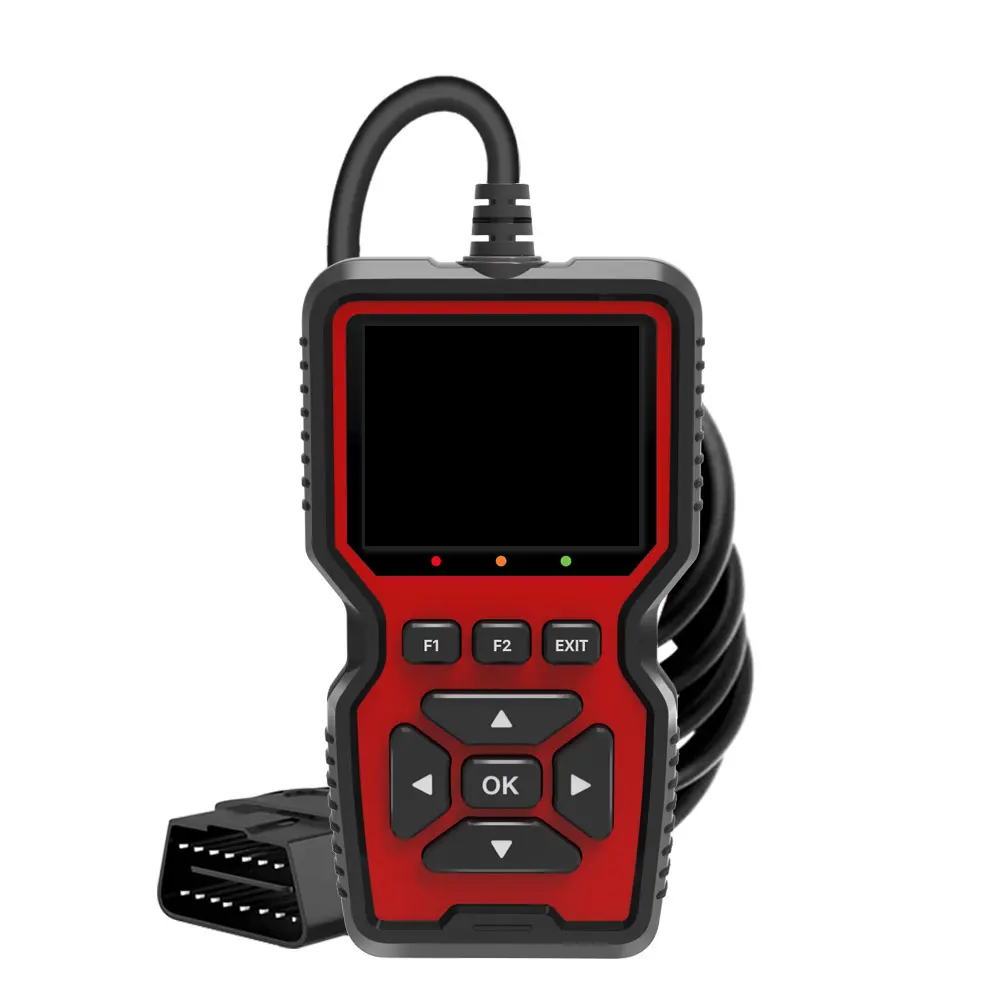
Diagnosing P1424 requires a methodical approach using an OBD-II scan tool and a digital multimeter (DMM).
- Retrieve and Analyze Freeze Frame Data: Connect an OBD-II scan tool to retrieve the P1424 code and any associated freeze frame data. This data provides crucial information about engine conditions (e.g., engine temperature, RPM, load) at the moment the fault was detected, which can help replicate the conditions for diagnosis.
- Perform a Thorough Visual Inspection:
- Inspect the glow plug control module (GPCM) and its entire wiring harness for signs of physical damage, chafing, corrosion, or burnt insulation. Pay close attention to the multi-pin connector for bent pins or contamination.
- Trace the main power supply cable from the battery to the GPCM/relay and ensure it is intact and securely connected. Inspect for any signs of overheating or melting.
- Locate and visually inspect all fuses and fusible links related to the glow plug circuit in the engine bay fuse box. These are typically high-amperage fuses.
- Verify Power and Ground at the GPCM/Relay:
- With the ignition ON (and preferably a cold engine to ensure ECM commands glow plug activation), use a DMM to check for battery voltage at the main power input terminal of the GPCM or glow plug relay. If no voltage, trace the power wire back to its source (battery, fuse box) to identify the interruption.
- Check for a solid ground connection at the GPCM/relay by measuring resistance between the module’s ground terminal and a known good chassis ground point. Alternatively, measure voltage drop between the GPCM ground terminal and the battery negative post; it should be very low (ideally < 0.1V) during glow plug operation.
- Test GPCM Output Signal:
- If power and ground are confirmed, use the DMM to check for voltage output from the GPCM to the glow plug buss bar or individual glow plug leads. This test should be performed during a cold start or by using a bi-directional scan tool to command the glow plugs ON. Expected voltage should be battery voltage or a pulsed voltage, depending on the system’s design. Lack of output voltage, despite valid power and ground inputs, strongly indicates a faulty GPCM.
- An inductive amp clamp can be used to monitor the current draw of the primary circuit. An open circuit will show no current, while an internal short could show excessively high current, potentially damaging the module or blowing fuses.
- Test Individual Glow Plugs (if necessary): If the GPCM is confirmed to be outputting voltage, and there’s still a primary circuit issue, it’s possible a severely shorted glow plug is causing an overload. Disconnect the electrical connector from each glow plug and measure its resistance between the glow plug terminal and the engine block (ground) with the DMM. Healthy glow plugs typically have very low resistance (e.g., 0.1-1.5 ohms). An open circuit (infinite resistance) indicates a failed glow plug, while extremely low resistance (near 0 ohms) could indicate a shorted glow plug.
Recommended Repairs and Solutions
Based on the findings from the diagnostic process, the following repairs are commonly recommended for P1424:
- Replace the Glow Plug Control Module (GPCM) or Relay: This is the most frequent repair. If power and ground are verified at the module but no output is present when commanded, the GPCM or relay is typically at fault. Always use an OEM equivalent or high-quality aftermarket replacement for optimal performance and longevity.
- Repair or Replace Damaged Wiring: If the visual inspection or continuity tests reveal chafed, broken, or corroded wiring in the primary circuit, the affected section must be professionally repaired or replaced. Ensure all repairs are properly insulated and secured to prevent future issues.
- Replace Blown Fuse or Fusible Link: If a fuse or fusible link is found blown, replace it with a fuse of the identical amperage rating. It is crucial to investigate the underlying cause of the blown fuse (e.g., a shorted glow plug, wiring short) to prevent immediate re-occurrence.
- Clean and Secure Electrical Connections: Address any high-resistance issues caused by corrosion. Thoroughly clean all battery terminals, engine ground points, and GPCM connector pins using an electrical contact cleaner and wire brush. Apply dielectric grease to prevent future corrosion and ensure secure connections.
- Replace Faulty Glow Plugs: Although P1424 points to the primary control circuit, a shorted glow plug can be the root cause of an overloaded GPCM or blown fuse. If individual glow plugs are found to be shorted or open, they must be replaced. For preventative maintenance and optimal cold-start performance, it’s often advisable to replace all glow plugs on a bank, or even all of them, if they are of similar age.
- ECM/PCM Replacement (Rare): ECM/PCM failure as the sole cause for P1424 is uncommon. This should only be considered after all other possibilities, including wiring, GPCM, and glow plugs, have been meticulously tested and ruled out, and specific diagnostic tests confirm an internal ECM fault related to glow plug control. This is a complex and costly repair, often requiring module programming.
After any repair, clear the Diagnostic Trouble Codes (DTCs) using a scan tool and perform several cold-start cycles to confirm the repair’s effectiveness and ensure the P1424 code does not return.