What Does Code P1445 Mean?
DTC P1445, defined as “Purge Flow Sensor Circuit High Input,” indicates that the Engine Control Module (ECM), also known as the Powertrain Control Module (PCM), has detected a voltage signal from the Evaporative Emission Control (EVAP) system’s Purge Flow Sensor that is above its expected operating range or a calibrated threshold. The EVAP system is designed to capture fuel vapors from the fuel tank and direct them into the engine’s intake manifold to be burned during combustion, preventing their release into the atmosphere. A key component in this system is the purge flow sensor, which monitors the rate or volume of fuel vapor being drawn from the EVAP canister through the purge valve into the engine. When the ECM sets P1445, it means it’s receiving an abnormally high voltage signal from this sensor’s circuit, suggesting either an electrical fault within the sensor itself, an issue with its wiring (e.g., a short to voltage), or an internal ECM problem misinterpreting the signal. This fault primarily impacts the EVAP subsystem’s ability to accurately monitor and control fuel vapor purging.
Common Symptoms
- Check Engine Light (MIL) Illumination: This is almost always the first and most obvious symptom.
- Potential Rough Idle or Stalling: While P1445 is primarily an electrical circuit fault, if the sensor’s erroneous high reading causes the ECM to mismanage purge flow (e.g., commanding excessive purging or incorrectly adjusting fuel trims), it could lead to an overly rich or lean condition, affecting engine idle stability.
- Failed Emission Test: An inoperative or malfunctioning EVAP system will typically cause the vehicle to fail an emissions inspection.
- Reduced Fuel Economy: If the EVAP system is not operating efficiently or if the ECM is struggling to manage fuel vapors due to incorrect sensor feedback, fuel economy might be negatively impacted.
What Causes the Code P1445?
- Faulty Purge Flow Sensor: An internal electrical fault within the sensor itself can cause it to output a perpetually high voltage signal, even when actual purge flow is normal or zero.
- Wiring Harness Issues:
- Short to Voltage: The signal wire from the purge flow sensor to the ECM may be shorted to a constant power source (e.g., battery voltage or a 5V reference line), causing the ECM to read an erroneously high voltage.
- Chafed or Damaged Wiring: Physical damage to the wiring harness can expose conductors, leading to shorts or intermittent high resistance connections.
- Corroded Connectors: Corrosion within the sensor connector or ECM connector pins can lead to poor electrical contact, creating resistance or unintended voltage paths that manifest as a high input.
- Faulty Engine Control Module (ECM/PCM): Although less common, an internal failure within the ECM/PCM can cause it to misinterpret the purge flow sensor’s signal or supply incorrect reference voltage, leading to the P1445 code.
How to Diagnose and Troubleshoot
A systematic diagnostic approach is crucial for P1445. Always begin with the simplest checks and progress to more complex electrical diagnostics.
- Visual Inspection:
- Thoroughly inspect the wiring harness leading to the EVAP purge flow sensor and the EVAP purge solenoid valve. Look for signs of chafing, cuts, melting, or rodent damage.
- Check the electrical connectors for corrosion, bent pins, or loose connections at both the sensor and the ECM.
- Inspect associated vacuum lines for cracks, disconnections, or blockages, although this code is primarily electrical.
- Scan Tool Data Analysis:
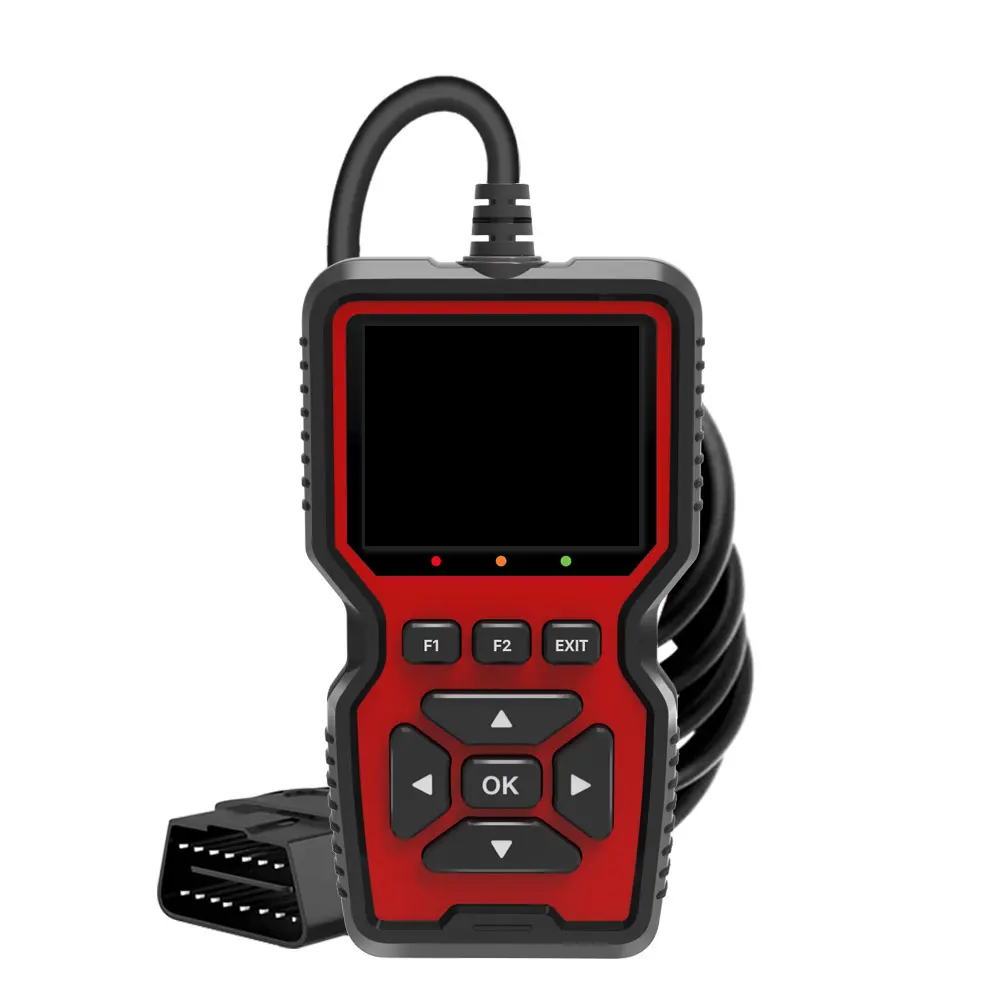
- Connect an OBD-II scan tool and monitor live data, specifically the Parameter ID (PID) for the Purge Flow Sensor (it might be labeled EVAP Purge Volume Sensor, EVAP Purge Feedback, or similar).
- Note the voltage reading from this sensor. If the code is active, expect to see a voltage reading that is consistently at or near its maximum possible output (e.g., 4.8V-5.0V on a 5V reference system) or significantly higher than expected values under various engine operating conditions (idle, cruise).
- Check for any other related EVAP or engine performance diagnostic trouble codes that might provide additional context.
- Electrical Circuit Testing with a Digital Multimeter (DMM):
- Purge Flow Sensor Disconnection: Disconnect the electrical connector from the purge flow sensor.
- Check Reference Voltage: With the ignition ON (engine OFF), use a DMM to measure the voltage between the sensor’s reference voltage wire (typically 5V, but check service manual) and a known good chassis ground. Ensure it is within specified limits.
- Check Signal Wire for Short to Voltage: With the ignition ON and the sensor still disconnected, place the positive lead of the DMM on the signal wire terminal (the wire that goes back to the ECM) within the harness connector, and the negative lead on chassis ground. If the DMM reads a high voltage (e.g., battery voltage or 5V reference), it indicates a short to voltage in the wiring harness between the sensor connector and the ECM.
- Check Ground Circuit: Measure resistance between the ground wire terminal in the sensor’s harness connector and a known good chassis ground. The reading should be very low (close to 0 ohms). A high resistance indicates a poor ground connection.
- Check Sensor Internal Resistance/Output (if possible): Consult the vehicle’s service manual for specific procedures to test the purge flow sensor itself. Some sensors can be tested for internal resistance across pins, or by applying a specified voltage and measuring output.
- Continuity Test from Sensor to ECM: With both the sensor connector and the ECM connector disconnected, use the DMM to check for continuity on the signal wire between the sensor’s harness connector and the corresponding pin at the ECM connector. This verifies the wire is not open. Simultaneously, check for shorts between the signal wire and other wires in the harness (power, ground, other signals).
- Purge Solenoid Functionality (Contextual): While P1445 focuses on the sensor circuit, it’s worth briefly confirming the purge solenoid’s operation if the sensor is integrated or in close proximity. Use the scan tool to command the purge solenoid ON and OFF, listening for an audible click and verifying vacuum at the canister side (if applicable and safe to do so). A solenoid stuck open could sometimes lead to abnormal flow that a sensor, even if working correctly, might report as high.
Recommended Repairs and Solutions
Based on the diagnostic findings, proceed with the appropriate repair:
- Repair or Replace Damaged Wiring Harness: If diagnostic steps identify a short to voltage, an open circuit, or damaged insulation in the wiring harness leading to the purge flow sensor, the damaged section should be professionally repaired. This often involves cutting out the compromised segment and soldering in new wire, ensuring connections are sealed and protected from environmental factors.
- Replace Faulty Purge Flow Sensor: If all wiring and circuit tests confirm proper integrity, and the sensor itself is consistently outputting an erroneous high voltage signal, replacement of the purge flow sensor is necessary. In many vehicles, this sensor is integrated into or located directly adjacent to the EVAP purge solenoid valve, which is typically mounted on the intake manifold or near the EVAP canister. Always use an OEM quality replacement part for optimal performance and longevity.
- Address Corroded Connectors: If corrosion is found in the sensor or ECM connectors, carefully clean the pins using a specialized electrical contact cleaner and a small brush. If corrosion is severe and has damaged the pins, the connector may need to be replaced.
- ECM/PCM Replacement (Last Resort): If, after exhaustive testing, all components and wiring are confirmed to be in perfect working order, and the code persists, an internal fault within the ECM/PCM could be the cause. This is a rare occurrence and should only be pursued after ruling out all other possibilities. ECM replacement often requires programming.
After any repair, clear the DTCs using an OBD-II scanner. Perform a comprehensive drive cycle to allow the EVAP system monitors to run and confirm that the P1445 code does not return. Always consult the vehicle’s specific factory service manual for precise wiring diagrams, component locations, and voltage/resistance specifications, as these can vary significantly between manufacturers and models.