What Does Code P1453 Mean?
DTC P1453 signifies a detected malfunction within the vehicle’s Evaporative Emission Control (EVAP) system, specifically pertaining to the Fuel Tank Pressure Relief Valve. In most modern automotive applications, the “Fuel Tank Pressure Relief Valve” refers to the EVAP Canister Vent Shut Valve (CVSV) or Vent Solenoid. The Engine Control Module (ECM) or Powertrain Control Module (PCM) monitors the EVAP system’s ability to maintain specific pressure or vacuum levels within the fuel tank during various self-diagnostic tests.
The CVSV is typically an electrically actuated solenoid valve that controls the flow of fresh atmospheric air into the EVAP charcoal canister. During EVAP system tests (e.g., small leak test, gross leak test), the ECM commands the CVSV to close, allowing the system to either pull a vacuum or build pressure to check for leaks. During purge cycles, the valve may be commanded open to draw fresh air into the canister for proper purging of fuel vapors into the engine. Code P1453 is set when the ECM detects that the fuel tank pressure is not reacting as expected when the relief valve (CVSV) is commanded to open or close, indicating it may be stuck open, stuck closed, or otherwise unable to perform its pressure-regulating function.
Common Symptoms
- Check Engine Light (MIL) Illumination: This is the most common and often the only noticeable symptom.
- Difficulty Refueling: The fuel pump nozzle may frequently click off before the tank is full, suggesting excessive positive pressure within the fuel tank due to a stuck-closed vent valve.
- Fuel Odor: Less common, but a system that cannot properly relieve pressure or one with a stuck-open vent valve could lead to intermittent fuel vapor odors.
- Reduced Fuel Economy: While not a direct symptom, a compromised EVAP system can indirectly affect fuel trim and efficiency.
What Causes the Code P1453?
- Faulty EVAP Canister Vent Shut Valve (CVSV) / Vent Solenoid: The valve itself may be mechanically stuck open or closed, or suffer from an electrical failure (open circuit, short circuit).
- Clogged or Restricted EVAP Vent Line/Hose: The hose connecting the vent valve to the atmosphere or leading to the EVAP canister can be kinked, obstructed by debris (e.g., spider webs, mud, dust), or cracked.
- Faulty Fuel Tank Pressure (FTP) Sensor: An inaccurate or erratic signal from the FTP sensor can lead the ECM to misinterpret tank pressure, falsely diagnosing a relief valve malfunction.
- Damaged EVAP Canister: The charcoal canister can become saturated with liquid fuel or physically damaged, restricting proper airflow and venting.
- Wiring or Connector Issues: Corrosion, an open circuit, or a short circuit in the wiring harness or electrical connector to the CVSV or FTP sensor.
- ECM/PCM Failure: While rare, an internal fault within the ECM/PCM could cause incorrect commanding or interpretation of EVAP system components.
How to Diagnose and Troubleshoot
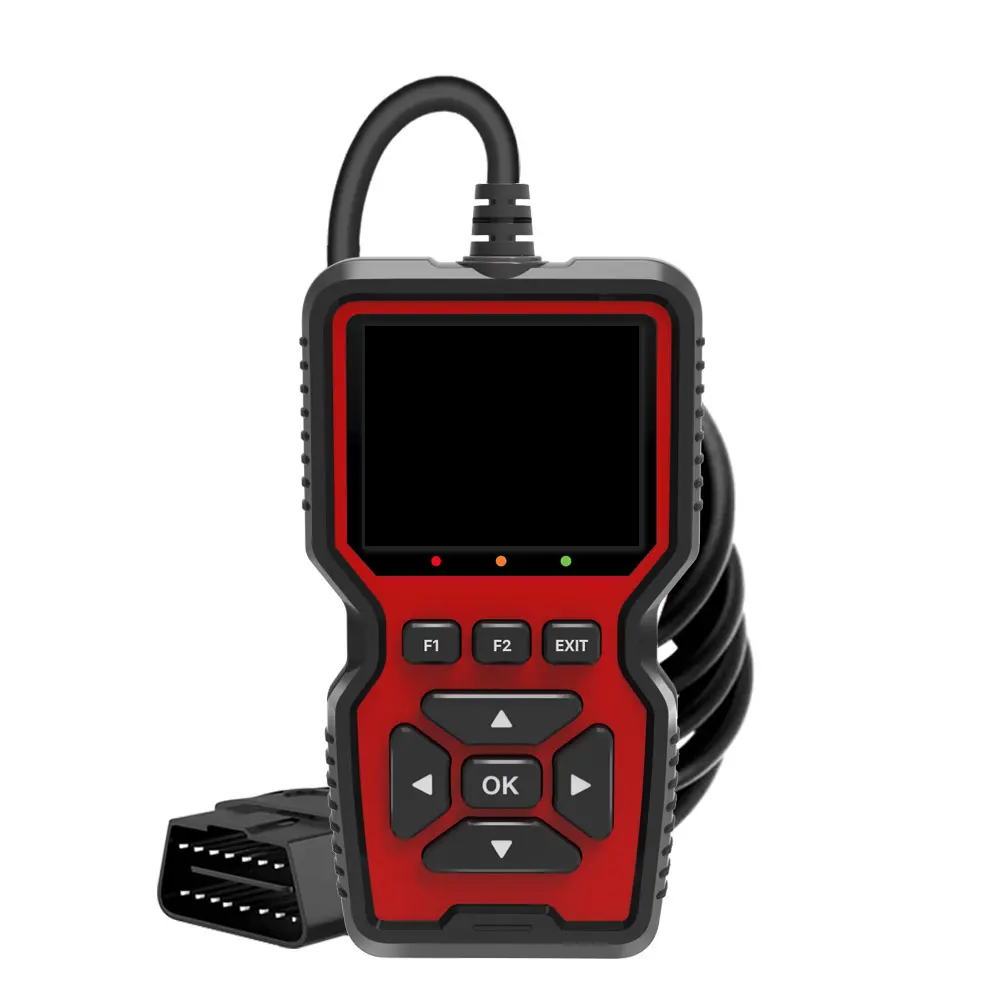
Diagnosing P1453 requires a methodical approach, often utilizing an OBD-II scanner with enhanced capabilities and a digital multimeter (DMM).
- Verify DTC and Freeze Frame Data: Connect an OBD-II scanner. Confirm P1453 is the active code. Review freeze frame data, which captures engine operating parameters at the time the code was set. This information (engine RPM, coolant temperature, fuel trims, vehicle speed) can offer valuable insights into the conditions under which the fault occurred. Clear the DTC and attempt to replicate the conditions.
- Visual Inspection of EVAP System:
- Carefully inspect the EVAP canister vent valve, its associated hoses, and electrical connector. Look for visible damage, cracks, loose connections, kinks, or obstructions (e.g., debris, spider nests) in the vent hose leading to atmosphere.
- Inspect the EVAP canister itself for physical damage, cracks, or signs of saturation.
- Trace the wiring harness from the CVSV to the ECM, checking for any signs of chafing, corrosion, or damage.
- EVAP Canister Vent Shut Valve (CVSV) Electrical Test:
- Disconnect the CVSV electrical connector.
- Using a DMM, check for proper voltage supply (typically battery voltage, ~12V) at the connector with the ignition ON, engine OFF. Also, confirm a good ground path.
- Measure the resistance of the solenoid coil within the CVSV itself. Refer to the vehicle’s service manual for the specified resistance range (typically 15-30 ohms). An open circuit (infinity) or short circuit (near 0 ohms) indicates an internal valve failure.
- EVAP Canister Vent Shut Valve (CVSV) Functional Test:
- If accessible, remove the CVSV. Apply 12V and ground directly to the valve’s terminals (using jumper wires). The valve should audibly click as it actuates.
- With power applied, attempt to blow air through the valve. It should allow airflow. With power removed, it should block airflow (or vice versa, depending on its normal operating state – consult service information).
- Alternatively, use a bi-directional scan tool to command the CVSV open and closed. Listen for the audible click of the valve actuating. Simultaneously, monitor the Fuel Tank Pressure (FTP) sensor reading for appropriate pressure changes.
- Fuel Tank Pressure (FTP) Sensor Monitoring:
- With the ignition ON, engine OFF, observe the FTP sensor reading on the scan tool’s data stream. It should read near ambient atmospheric pressure (e.g., close to 0 inches of H2O).
- If possible, perform an EVAP system leak test using the scan tool (if the vehicle supports it) and observe how the FTP sensor reacts to induced vacuum or pressure. An erratic or implausible reading suggests a faulty sensor.
- Advanced EVAP System Testing:
- Smoke Test: If basic checks do not reveal an obvious fault, a smoke test can be performed on the EVAP system. This involves injecting smoke into the sealed EVAP system to visually identify any leaks that could be contributing to improper pressure regulation, though P1453 is less about a simple leak and more about the valve’s function.
- Vacuum Gauge Test: For certain vehicle applications, applying a slight vacuum to the fuel tank via the purge valve while the vent valve is commanded closed can help confirm the vent valve’s sealing capability.
Recommended Repairs and Solutions
The most common and effective repairs for P1453 focus on the EVAP canister vent shut valve and its associated components.
- Replace the EVAP Canister Vent Shut Valve (CVSV): If diagnostic steps confirm an electrical failure (incorrect resistance), mechanical sticking, or an inability to actuate, replacing the CVSV is the primary solution. Ensure the replacement part is an OEM equivalent or a high-quality aftermarket component to guarantee proper function and longevity.
- Clear Obstructions or Replace Restricted Hoses: If the vent line or the vent valve’s atmospheric opening is found to be clogged with dirt, debris, or insect nests, thoroughly clean or replace the affected hose. This often resolves the issue without needing to replace the valve itself.
- Replace EVAP Canister: If the charcoal canister is found to be saturated with fuel (often due to habitual overfilling of the fuel tank) or physically damaged, restricting airflow, it will need to be replaced.
- Repair Wiring or Connectors: If diagnostic tests identify an open, short, or high resistance in the wiring harness or connector to the CVSV or FTP sensor, perform precise repairs or replace the damaged sections/connectors.
- Replace Fuel Tank Pressure (FTP) Sensor: If the FTP sensor is providing an erratic or inaccurate signal despite the vent valve and wiring being confirmed good, replace the sensor.
Mechanic’s Tips:
- Always consult the specific vehicle’s service manual for precise EVAP system diagrams, component locations, and resistance/voltage specifications.
- After performing any EVAP system repair, it is crucial to clear the diagnostic trouble codes (DTCs) and perform a drive cycle that includes conditions necessary for the ECM to run its EVAP system self-tests. This confirms the repair and ensures the code does not return. Monitor the readiness monitors on the scan tool to confirm the EVAP system test has completed.
- Educate the customer about avoiding overfilling the fuel tank, as this can lead to liquid fuel entering and saturating the charcoal canister, causing future EVAP system problems.
- When dealing with components exposed to the elements (like the vent valve and its hose), consider the vehicle’s operating environment. Off-road driving or dusty conditions can contribute to premature failure or clogging.