What Does Code P1454 Mean?
DTC P1454, or “Evaporative System Vacuum Test Malfunction,” indicates that the Powertrain Control Module (PCM) or Engine Control Module (ECM) has detected an anomaly during its self-test of the Evaporative Emission Control (EVAP) system’s ability to maintain a vacuum or pressure differential. The EVAP system is designed to prevent fuel vapors from escaping into the atmosphere. To ensure its integrity, the PCM periodically conducts various leak detection tests. For vehicles utilizing a Leak Detection Pump (LDP) or a Natural Vacuum Leak Detection (NVLD) system, this code typically signifies that the system failed to achieve or maintain the required negative pressure (vacuum) during a specific test cycle. This could be due to an inability to seal the system effectively or an issue with the components responsible for generating or monitoring the vacuum/pressure. The PCM’s internal diagnostics compare the actual vacuum/pressure profile against programmed parameters; a deviation indicates a malfunction.
Common Symptoms
- Malfunction Indicator Lamp (MIL) Illumination: The “Check Engine” light will be illuminated on the dashboard.
- Potential Fuel Odor: In cases of a significant leak, a subtle fuel vapor odor may be noticeable, especially near the fuel tank or engine bay.
- Slight Decrease in Fuel Economy: While often negligible, a substantial leak could lead to a minor reduction in fuel efficiency.
- No Noticeable Drivability Concerns: Generally, this code does not directly impact engine performance or vehicle drivability, as the EVAP system primarily manages fuel vapors and does not participate directly in combustion.
What Causes the Code P1454?
- EVAP System Vacuum Leak: This is the most prevalent cause, originating from cracked, loose, or disconnected vacuum hoses, deteriorated rubber lines, a damaged EVAP canister, a compromised fuel filler neck, or even a faulty or loose fuel cap.
- Defective Fuel Tank Pressure (FTP) Sensor: The FTP sensor is critical for reporting pressure/vacuum readings to the PCM. A faulty sensor may provide inaccurate data, leading the PCM to incorrectly detect a malfunction.
- Faulty Leak Detection Pump (LDP) or Natural Vacuum Leak Detection (NVLD) Unit: If the vehicle employs an LDP or NVLD module to generate or monitor system vacuum, a defect in this unit (e.g., internal leaks, stuck diaphragm, electrical malfunction) can prevent the vacuum test from completing successfully.
- Stuck Open EVAP Purge Solenoid/Valve: If the purge valve is stuck in an open position, it will prevent the EVAP system from sealing effectively, making it impossible to build or maintain a vacuum during testing.
- Stuck Open EVAP Vent Solenoid/Valve: A vent valve that fails to close properly will also prevent the EVAP system from sealing, allowing atmospheric pressure to enter and preventing vacuum formation.
- Damaged EVAP Canister: The charcoal canister itself can develop cracks or internal failures, leading to system leaks.
- Wiring or Connector Issues: Compromised wiring, corroded connectors, or poor electrical connections to the FTP sensor, LDP/NVLD unit, purge valve, or vent valve can interrupt communication or power, causing erroneous readings or component failure.
How to Diagnose and Troubleshoot
Diagnosis of P1454 requires a systematic approach, often leveraging specialized tools:
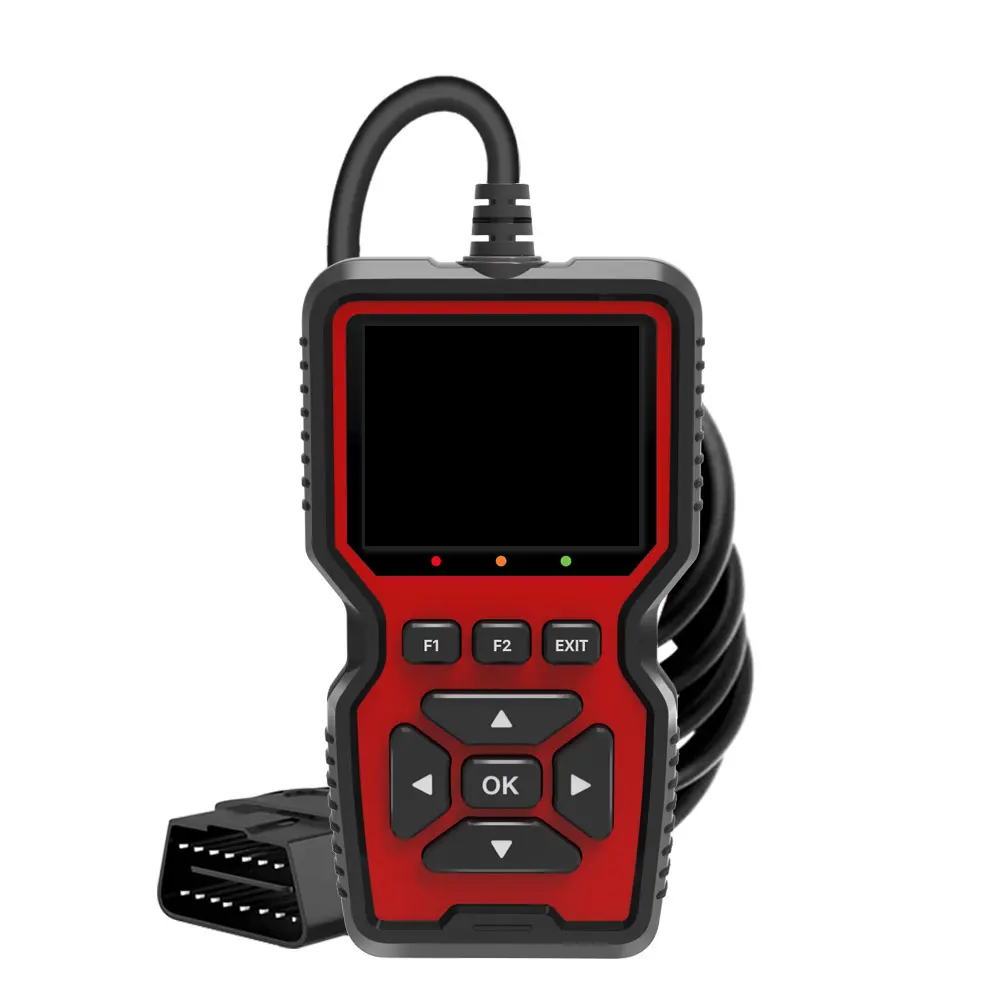
- Verify Code and Freeze Frame Data: Connect an OBD-II scanner to confirm P1454. Review freeze frame data to understand engine conditions (RPM, engine temperature, fuel level) at the time the code was set, which can provide clues regarding the specific test cycle.
- Perform a Thorough Visual Inspection:
- Inspect the fuel cap for proper seating, damage, or a missing gasket.
- Carefully examine all visible EVAP hoses and lines for cracks, kinks, disconnections, or evidence of rodent damage. Pay particular attention to connections near the fuel tank, canister, and engine bay.
- Inspect the EVAP canister for any signs of physical damage (cracks, punctures).
- Check electrical connectors for the FTP sensor, LDP/NVLD unit, purge valve, and vent valve for corrosion, damage, or looseness.
- EVAP System Smoke Test: This is the most effective method for locating EVAP leaks.
- Connect an EVAP smoke machine to the EVAP service port (if available) or a suitable vacuum line.
- Using the bi-directional control feature of an advanced scan tool, command the EVAP purge solenoid closed and the EVAP vent solenoid closed to seal the system. If bi-directional control is not available, these components may need to be physically disconnected or sealed off.
- Introduce smoke into the system at low pressure. Visually inspect all EVAP components, lines, and connections for escaping smoke. Leaks can be very small and may require patience to locate.
- Fuel Tank Pressure (FTP) Sensor Testing:
- Monitor the FTP sensor live data on the scan tool. With the fuel cap removed, the sensor should read approximately ambient atmospheric pressure (or a voltage corresponding to ambient pressure, often near 2.5V on a 5V reference circuit).
- Apply a slight vacuum to the FTP sensor port (if accessible) using a hand vacuum pump and observe if the voltage/pressure reading changes smoothly and consistently. Erratic readings or no change indicate a faulty sensor.
- Using a DMM, check the FTP sensor’s reference voltage (typically 5V), ground, and signal wire voltage with the ignition on. Compare readings to manufacturer specifications.
- EVAP Purge and Vent Solenoid Testing:
- Using an advanced scan tool, command the purge and vent solenoids open and closed. Listen for an audible click, indicating operation.
- With a DMM, check resistance across the solenoid terminals (refer to service manual specifications). An open circuit or out-of-spec resistance indicates an internal fault.
- Verify power and ground at the solenoid connectors when commanded by the PCM.
- Leak Detection Pump (LDP) / NVLD Unit Testing:
- Specific testing procedures vary greatly by manufacturer. Consult the vehicle’s service manual.
- Often involves checking for proper electrical power and ground, and verifying the operation of internal switches or pumps within the unit using a DMM and/or vacuum pump. Some units may require removal and bench testing.
Recommended Repairs and Solutions
Based on diagnostic findings, the following repairs are commonly effective for resolving P1454:
- Replace or Tighten Fuel Cap: This is the simplest and often overlooked solution for EVAP codes. Ensure the new cap is OEM-quality and seals properly.
- Repair or Replace Leaking EVAP Hoses/Lines: Replace any hoses or lines identified during the smoke test as leaking. Use appropriate fuel-rated hose and ensure secure connections.
- Replace EVAP Purge Solenoid/Valve: If the purge valve is stuck open or not sealing, replace it. Ensure the replacement part is compatible with the vehicle.
- Replace EVAP Vent Solenoid/Valve: If the vent valve is stuck open, preventing the system from sealing, replace it.
- Replace Fuel Tank Pressure (FTP) Sensor: If diagnostic tests confirm the sensor is faulty or providing inaccurate readings.
- Replace Leak Detection Pump (LDP) or NVLD Unit: If the LDP or NVLD unit is found to be malfunctioning or internally leaking.
- Repair or Replace EVAP Canister: If the canister itself is cracked or compromised, replace it.
Mechanic’s Tips:
- Always clear the DTCs after any repair and perform several drive cycles to allow the EVAP monitor to run and confirm the repair. Many vehicles require specific driving conditions (e.g., fuel level between 1/4 and 3/4 full, cold start) for the EVAP monitor to complete.
- For persistent or difficult-to-locate leaks, specialized EVAP smoke machines with variable pressure and flow meters can provide more precise diagnostic capabilities.
- Be meticulous when inspecting rubber hoses and plastic lines; small hairline cracks can be very difficult to spot without a smoke machine.
- Consider checking for Technical Service Bulletins (TSBs) specific to your vehicle make and model, as P1454 may be a known issue with a specific OEM repair procedure.
- When replacing EVAP components, especially solenoids and sensors, opt for OEM or high-quality aftermarket parts to ensure proper system function and longevity.