What Does Code P1455 Mean?
The diagnostic trouble code (DTC) P1455 signifies an “Evap Emission Control Sys Leak Detected (Gross Leak/No Flow)”. This code is specifically reported by the Powertrain Control Module (PCM) or Engine Control Module (ECM) when it detects a significant anomaly within the vehicle’s Evaporative Emission (EVAP) control system. The EVAP system is designed to prevent fuel vapors from escaping into the atmosphere by capturing them, storing them in a charcoal canister, and later purging them into the engine’s intake manifold to be burned.
The PCM monitors the EVAP system’s integrity and function by conducting a series of self-tests, often during specific drive cycle conditions (e.g., after a cold start, during cruising, or deceleration). During an EVAP system leak test, the PCM typically closes the EVAP vent valve (sealing the system from atmospheric pressure) and then opens the EVAP purge valve (applying engine vacuum to the system). It subsequently monitors the pressure change within the fuel tank using the Fuel Tank Pressure (FTP) sensor.
- Gross Leak: If the FTP sensor reports that the system pressure does not build or decay as expected, or if it indicates a rapid equalization to atmospheric pressure when the system should be sealed, the PCM interprets this as a gross leak – a large opening or breach to the atmosphere.
- No Flow: This condition may arise if the PCM commands the purge solenoid open to draw vapors, but the FTP sensor does not detect the expected vacuum or flow, suggesting a severe blockage or a complete lack of system integrity that prevents proper vacuum draw and vapor transfer.
In essence, P1455 points to a fundamental failure of the EVAP system to maintain its closed-loop integrity, indicating a substantial loss of vapor containment.
Common Symptoms
- Check Engine Light (CEL) Illumination: This is almost always the primary and often the only immediately noticeable symptom.
- Distinct Fuel Odor: Due to gasoline vapors escaping a large breach in the EVAP system. This might be more noticeable when the vehicle is parked, especially after driving or on warmer days.
- Difficulty Refueling: In some cases, a severely restricted EVAP vent path (which could be interpreted as a “no flow” condition leading to P1455) can cause back pressure during refueling, leading to premature fuel nozzle shut-off.
- Slight Decrease in Fuel Economy: While not always pronounced for a gross leak, continuous escape of fuel vapors represents a minor loss of fuel.
- Minor Drivability Issues: If an EVAP purge valve is stuck wide open, it can create an unmetered vacuum leak into the intake manifold, potentially causing a slightly rough idle or minor lean condition, though this is less common with a P1455 specifically than with other EVAP-related codes.
What Causes the Code P1455?
- Loose, Missing, or Damaged Fuel Cap: This is arguably the most common cause. A fuel cap that is not properly sealed (loose), missing, or has a compromised gasket allows a direct and significant escape of fuel vapors, registering as a gross leak.
- Damaged or Disconnected EVAP Hoses/Lines: Cracks, holes, cuts, or complete disconnections in the rubber or plastic vapor lines running from the fuel tank, through the charcoal canister, to the purge valve. These can be caused by age, rodent damage, road debris, or improper previous service.
- Stuck-Open EVAP Vent Valve/Solenoid: If the vent valve, typically located near the charcoal canister, fails in the open position, the EVAP system cannot be sealed during the leak test, leading the PCM to detect a gross leak.
- Cracked or Damaged EVAP Canister: The charcoal canister itself can develop physical cracks or damage dueor to impact or material degradation, allowing vapors to escape.
- Faulty EVAP Purge Valve/Solenoid: While P044x codes often indicate a purge valve issue, if a purge valve is stuck wide open, it essentially creates a continuous large vacuum leak, preventing the system from achieving the necessary pressure/vacuum differential during the self-test, potentially triggering P1455.
- Faulty Fuel Tank Pressure (FTP) Sensor: Although less common for a gross leak, a completely failed or inaccurately reporting FTP sensor could provide erroneous pressure readings, leading the PCM to misinterpret a system status as a gross leak when none exists.
How to Diagnose and Troubleshoot
Diagnosing P1455 requires a methodical approach, often involving specialized tools in addition to basic diagnostic equipment.
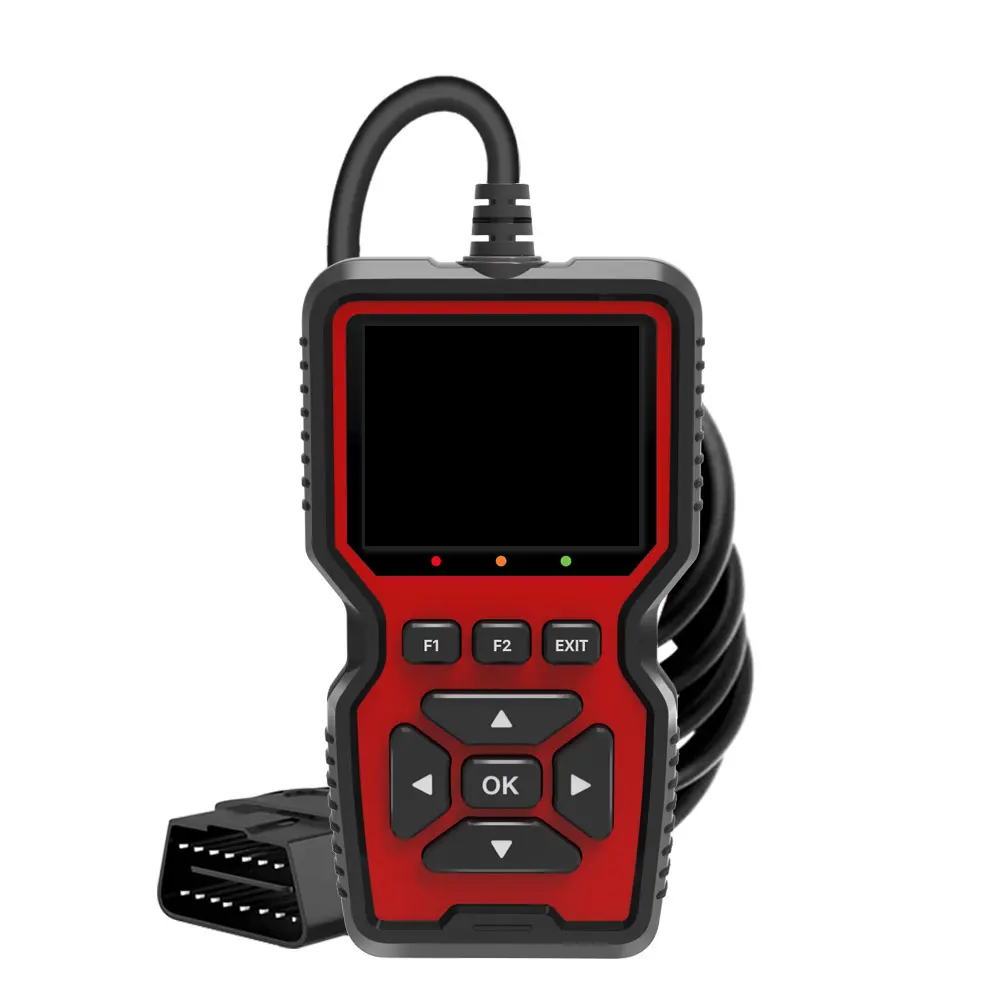
- Verify and Record DTCs & Freeze Frame Data: Connect an OBD-II scan tool and confirm the presence of P1455. Review any associated freeze frame data, which captures engine parameters at the moment the fault occurred. Clear the DTC and perform a drive cycle (if possible) to see if the code immediately returns, indicating a persistent gross leak.
- Inspect Fuel Cap: This is the simplest and most overlooked check. Remove and visually inspect the fuel cap for any cracks, damage to the sealing gasket, or signs of wear. Ensure it is an OEM-specified cap and that it clicks at least three times when re-tightened.
- Thorough Visual Inspection of EVAP System:
- Inspect all accessible EVAP lines and hoses from the fuel filler neck to the fuel tank, the charcoal canister, the vent valve, and the purge valve on the engine. Look for signs of cracks, kinks, chafing, disconnections, or loose clamps. Pay close attention to connections near the fuel tank and over axle areas where lines are prone to damage.
- Examine the EVAP canister for physical damage, cracks, or signs of external exposure.
- Check the sealing surface of the fuel filler neck for corrosion or damage that would prevent the fuel cap from sealing properly.
- Perform an EVAP System Smoke Test: This is the most effective method for locating gross leaks.
- Connect an EVAP smoke machine to the system (typically via a dedicated service port, or by disconnecting a convenient line like the purge line near the engine or a vapor line near the canister).
- Using a bi-directional scan tool, command the EVAP vent valve closed to seal the system. If bi-directional control is not available, you may need to manually seal the vent opening or apply voltage to close the valve.
- Introduce smoke into the EVAP system at a low pressure (e.g., 0.5-1.0 psi).
- Carefully observe the entire EVAP system, including the fuel tank, filler neck, lines, canister, purge valve, and vent valve area, for escaping smoke. A gross leak for P1455 will usually produce a readily visible plume of smoke.
- If no external leak is found, smoke could be escaping into the engine’s intake manifold if the purge valve is stuck open.
- Check EVAP Vent Valve Operation: Using a bi-directional scan tool, command the vent valve to open and close. Listen for an audible click. With the valve commanded closed, attempt to blow air into the vent side (e.g., via the air filter for the vent valve); it should be sealed. Monitor for proper voltage and resistance at the vent valve connector if electrical issues are suspected.
- Check EVAP Purge Valve Operation: With a bi-directional scan tool, command the purge valve open and closed. Listen for an audible click. At idle, commanding the purge valve open should cause a temporary change in Short-Term Fuel Trim (STFT) due to the introduction of unmetered air (if the valve is operating). You can also use a vacuum gauge on the line leading to the intake manifold to check for vacuum when the valve is commanded open. Check for proper voltage and resistance.
- Monitor Fuel Tank Pressure (FTP) Sensor: While not usually the direct cause of a gross leak, monitor FTP sensor readings on the scan tool. It should read near 0 inches H2O (atmospheric pressure) when the system is open to atmosphere. During an EVAP test, observe if it responds logically to pressure/vacuum changes. An erratic or stuck reading could indicate a faulty sensor.
Recommended Repairs and Solutions
The repairs for P1455 will directly correspond to the component identified as faulty during the diagnostic process.
- Replace Fuel Cap: If the original fuel cap is found to be loose, damaged, or of incorrect specification, replace it with an OEM-quality cap. This is the most frequent and least expensive fix.
- Repair or Replace Damaged EVAP Hoses/Lines: For any cracked, severed, or disconnected vapor lines, replace the affected sections with appropriate fuel-rated hose and secure with proper clamps. For plastic lines, specialized repair kits or full line replacement may be necessary.
- Replace EVAP Vent Valve/Solenoid: If the vent valve is confirmed to be stuck open or electrically faulty, it must be replaced. Ensure the new valve is properly connected and sealed to the canister or vent line.
- Replace EVAP Purge Valve/Solenoid: If the purge valve is found to be stuck open or is electrically inoperative, replace it. Ensure proper connection of vacuum lines and electrical connector.
- Replace EVAP Canister: If the charcoal canister itself is physically cracked, damaged, or saturated (less common for P1455 but possible if severe internal failure leads to “no flow”), replace the entire unit.
- Replace Fuel Tank Pressure (FTP) Sensor: Only if diagnostics conclusively point to a faulty FTP sensor after all potential leaks have been ruled out.
Mechanic’s Tips:
- Always clear DTCs after any repair and perform several drive cycles to allow the EVAP monitor to complete and confirm the fix. A pending P1455 or the CEL remaining off after the monitor runs indicates a successful repair.
- Pay close attention to the condition of rubber components. Heat, age, and exposure to fuel vapors cause degradation, making hoses brittle or soft.
- When smoke testing, ensure all EVAP connections are tight and that the service port adapters are not leaking, which can lead to misdiagnosis.
- Consult manufacturer-specific Technical Service Bulletins (TSBs) for common P1455 issues on the vehicle in question, as some models have known weaknesses in their EVAP systems.
- Consider that some leaks might only become apparent under specific conditions (e.g., fuel tank full, hot weather), so verify the repair under various conditions if possible.