What Does Code P1467 Mean?
DTC P1467 signifies a detected malfunction within the A/C Compressor Temperature Sensor circuit. This code indicates that the Engine Control Module (ECM), also commonly referred to as the Powertrain Control Module (PCM), has identified an electrical anomaly in the signal pathway from the A/C compressor’s internal or external temperature sensor. The primary function of this sensor is to monitor the operating temperature of the A/C compressor, providing critical feedback to the ECM/PCM. This data allows the ECM to protect the compressor from damage due to excessive heat, which can arise from conditions such as low refrigerant charge, high system pressures, or prolonged operation. When the ECM detects a voltage signal from this sensor that is either continuously out of the expected operational range (e.g., too high, too low, or an open/short circuit condition), or shows an implausible reading that does not correlate with other system parameters (like ambient temperature or A/C pressure), it will set the P1467 code. This subsystem directly affects the engagement and disengagement of the A/C compressor clutch and the overall performance and longevity of the air conditioning system.
Common Symptoms
- Malfunction Indicator Lamp (MIL) illumination: The Check Engine Light will be illuminated on the dashboard.
- A/C system not cooling: The air conditioning system may blow warm air or fail to provide adequate cooling.
- A/C compressor cycling issues: The A/C compressor clutch may not engage at all, or it may cycle on and off rapidly or excessively.
- Reduced engine performance: While less common, the ECM might alter engine performance strategies if it perceives a risk to the compressor or if it’s constantly attempting to engage a faulty compressor.
- No specific noises: This code typically pertains to an electrical fault and does not usually produce audible symptoms from the compressor itself, unless a severe underlying mechanical issue is causing the temperature anomaly.
What Causes the Code P1467?
- Faulty A/C Compressor Temperature Sensor: The sensor itself may have failed internally, providing inaccurate, erratic, or no resistance/voltage readings to the ECM/PCM.
- Wiring harness issues: Damaged, chafed, or corroded wiring in the sensor circuit, leading to an open circuit, short to ground, or short to voltage. This can include the signal wire, reference voltage, or ground wire.
- Poor electrical connections: Loose, corroded, or damaged terminals at the A/C compressor temperature sensor connector or the ECM/PCM connector.
- Internal compressor issues (indirectly): In rare cases, severe internal compressor damage or extremely low refrigerant can cause the compressor to overheat, potentially damaging the sensor or causing it to report values that the ECM deems implausible for the sensor’s operating range, leading to a P1467. However, the code specifically points to the sensor circuit malfunction, not necessarily the compressor overheating itself.
- Faulty Engine Control Module (ECM/PCM): Although extremely rare, an internal fault within the ECM/PCM’s input circuit for the A/C compressor temperature sensor can lead to misinterpretation of the sensor’s signal, setting the code.
How to Diagnose and Troubleshoot
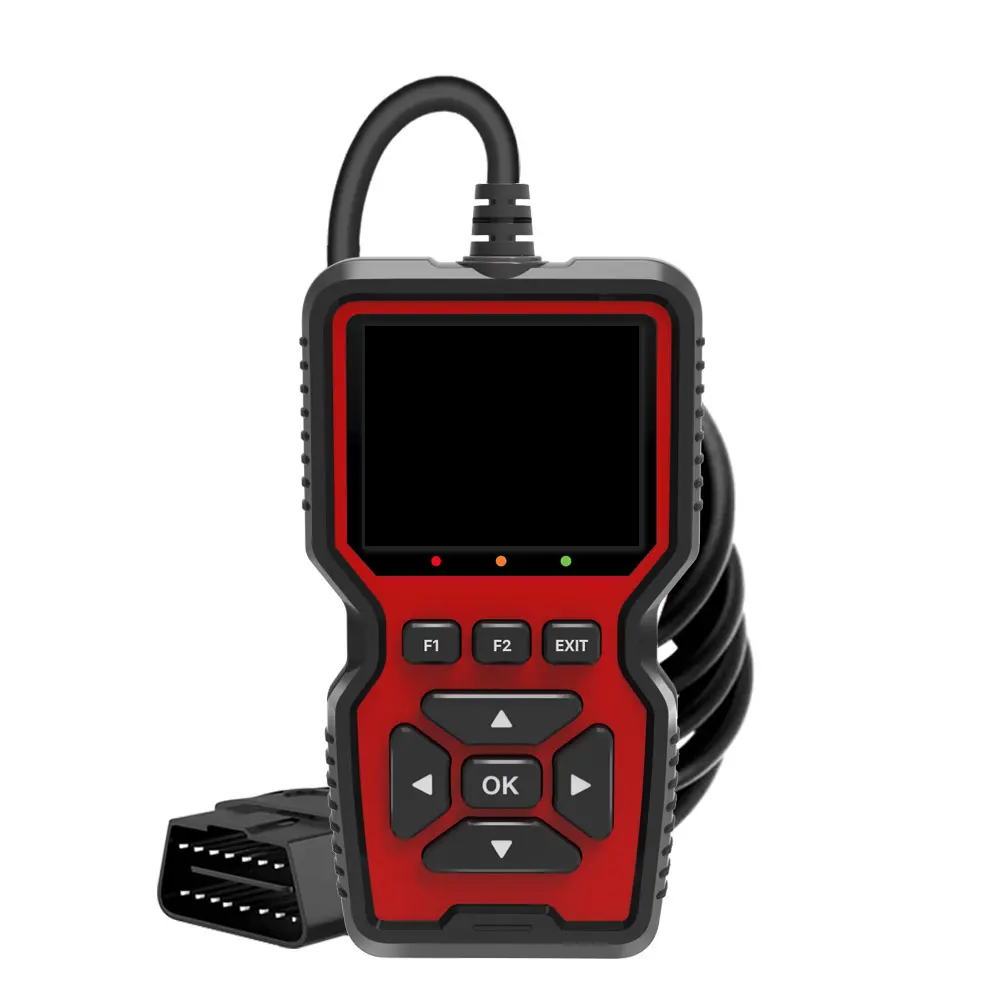
Diagnosis of P1467 requires a methodical approach, utilizing a digital multimeter (DMM) and an OBD-II diagnostic scanner.
- Visual Inspection: Begin by visually inspecting the A/C compressor temperature sensor and its associated wiring harness. Look for obvious signs of damage, chafing, cuts, or corrosion on the wires and connectors leading to the sensor and potentially back to the ECM/PCM. Ensure all connections are secure and free of debris. Note the sensor’s location, typically mounted on the compressor body or integrated into it.
- Scan Tool Data Analysis: Connect an OBD-II scanner and access live data streams. Look for parameters related to the A/C compressor temperature sensor. If a specific PID (Parameter ID) for “A/C Compressor Temperature” is available, monitor its reading. Look for values that are fixed, erratic, or outside a plausible range (e.g., extremely low at ambient temperature, or unrealistically high). Compare the sensor reading to ambient temperature with the A/C off and engine cold; they should be reasonably close.
- Electrical Test – Sensor Disconnected:
- Resistance Check: Disconnect the A/C compressor temperature sensor electrical connector. Using a DMM, measure the resistance across the sensor’s terminals. Compare this reading to the manufacturer’s specifications, usually found in the vehicle’s service manual, which often provides a resistance-temperature chart. An open circuit (infinite resistance) or a short circuit (near zero resistance) indicates a faulty sensor.
- Electrical Test – Harness Side:
- Reference Voltage and Ground: With the sensor disconnected and the ignition ON (engine OFF), use a DMM to measure the voltage between the reference voltage pin (typically 5V) and a known good ground, and between the sensor ground pin and a known good ground on the harness connector. Confirm the presence of appropriate reference voltage and a solid ground connection.
- Continuity Check: With the battery disconnected and the ECM/PCM connector carefully unplugged (if accessible), perform a continuity test on the signal wire(s) from the A/C compressor temperature sensor connector back to the ECM/PCM connector. Check for open circuits (infinite resistance) or shorts to ground or power within the wiring harness.
- Wiggle Test: While monitoring live data with the scan tool or performing the voltage/resistance tests, gently wiggle the wiring harness and connectors associated with the A/C compressor temperature sensor and the ECM/PCM. Observe for any sudden changes or drops in readings, which would indicate an intermittent connection or a damaged wire.
Recommended Repairs and Solutions
Based on diagnostic findings, the following repairs are typically recommended:
- Replace the A/C Compressor Temperature Sensor: If diagnostic testing confirms the sensor itself is faulty (incorrect resistance, open/short circuit), replace it with a new, OEM-quality sensor. Ensure the correct part number is used for your specific vehicle. Note that some temperature sensors may be integrated into the compressor and may require compressor replacement if not serviceable separately.
- Repair or Replace Wiring Harness: If the wiring harness or connectors are found to be damaged, corroded, or have poor connections, perform precise repairs. Use appropriate automotive-grade wire, solder connections, and properly seal them with heat-shrink tubing to prevent future corrosion. Replace any severely damaged connectors.
- Clean Electrical Connections: If connections are merely dirty or slightly corroded, clean them thoroughly with an electrical contact cleaner and a small brush. Apply a thin layer of dielectric grease to prevent future corrosion and ensure a good electrical connection.
- Mechanic’s Tip – Refrigerant System Health: While P1467 points to an electrical fault, it’s good practice to ensure the refrigerant charge and overall A/C system pressures are within specification after resolving the electrical issue. Extreme conditions in the refrigerant system can stress the compressor, potentially leading to sensor failure or other complications. However, do not assume a refrigerant issue without first diagnosing the P1467 electrical fault.
- Clear DTCs and Verify Repair: After completing any repairs, use an OBD-II scanner to clear the P1467 code. Start the engine, operate the A/C system, and perform a test drive to confirm the issue is resolved and the code does not return. Monitor live data for the A/C compressor temperature sensor to ensure stable and plausible readings.
- ECM/PCM Replacement (Last Resort): Only if all other components and wiring have been thoroughly tested and confirmed to be functioning correctly, and the P1467 code persists, should ECM/PCM diagnosis or replacement be considered. This typically requires specialized diagnostic tools and programming.