What Does Code P1468 Mean?
DTC P1468, often interpreted from the brief description as an “SSPOD Open Circuit or Closed Circuit Fault,” specifically denotes a malfunction within the A/C Clutch Relay Control Circuit. While “SSPOD” is a generic descriptor for a system status or monitored circuit, for code P1468, it specifically refers to the electrical circuit responsible for controlling the air conditioning (A/C) compressor clutch. The Engine Control Module (ECM) or Powertrain Control Module (PCM) is designed to monitor this circuit for proper voltage and current flow. When the PCM commands the A/C clutch to engage, it expects to see a specific voltage drop or current draw on the control circuit, indicating that the relay coil and subsequent clutch are operating as intended. If the PCM detects either an unexpectedly high voltage (indicating an open circuit, such as a broken wire, blown fuse, or faulty relay coil) or an unexpectedly low voltage/high current draw (indicating a short circuit to ground or power, or a shorted relay/clutch coil), it will set code P1468. This fault directly impacts the ability of the A/C system to operate, preventing the compressor clutch from engaging and thus inhibiting refrigerant circulation and cooling.
Common Symptoms
- No A/C Cooling: The primary and most noticeable symptom is a complete lack of cold air from the HVAC system.
- A/C Clutch Non-Engagement: The compressor clutch will not cycle on or engage when the A/C system is commanded to operate.
- Check Engine Light (MIL) Illumination: The Malfunction Indicator Lamp will illuminate on the dashboard, signaling a detected emissions-related or powertrain fault.
- Audible Click Absence: There will be no audible click from the A/C compressor when the A/C is turned on, which usually indicates the clutch engaging.
What Causes the Code P1468?
- Faulty A/C Clutch Relay: A common cause is a defective relay where the internal contacts are stuck open or closed, or the coil is open/shorted.
- Open or Short in A/C Clutch Control Circuit Wiring: Damaged, corroded, or chafed wiring between the PCM, the A/C clutch relay, and the A/C compressor clutch can lead to an open circuit (no continuity) or a short to ground/power.
- Damaged A/C Compressor Clutch Coil: The electromagnetic coil within the A/C compressor clutch itself can develop an internal open or short, preventing it from engaging.
- Blown Fuse: A fuse protecting the A/C clutch relay circuit can blow due to an electrical overload or a short circuit downstream.
- Faulty Engine Control Module (ECM/PCM): Although less common, an internal fault within the PCM’s A/C clutch control driver circuit can cause incorrect voltage signals or an inability to properly command the relay.
How to Diagnose and Troubleshoot
Diagnosing P1468 requires a systematic approach involving visual inspection, multimeter testing, and potentially an OBD-II scan tool. Always begin by checking for related codes and freeze frame data to understand the conditions under which the fault occurred.
- Initial Inspection and Scan:
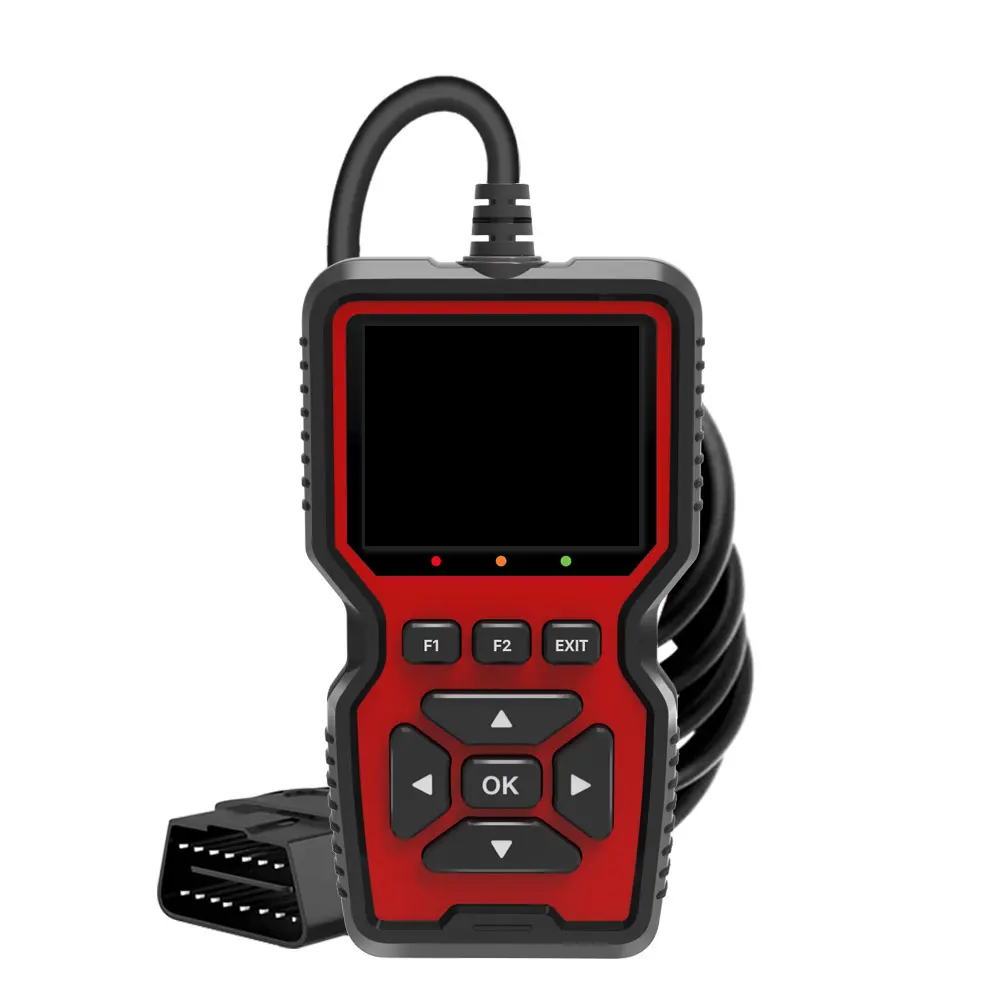
- Connect an OBD-II scanner to confirm P1468 and check for any other related HVAC or electrical codes. Review freeze frame data.
- Perform a thorough visual inspection of all wiring harnesses and connectors related to the A/C clutch relay and compressor. Look for signs of chafing, corrosion, looseness, or damage. Inspect the fuse box for any blown fuses related to the A/C system.
- Test the A/C Clutch Relay:
- Locate the A/C clutch relay in the fuse box.
- Using a Digital Multimeter (DMM), test the relay’s coil resistance. Refer to service specifications, but typically an open circuit (OL) or extremely low resistance (near 0 ohms) indicates a faulty coil.
- You can also perform a “jump test” by applying 12V and ground to the coil terminals (refer to relay pinout) and checking for continuity across the switch terminals with the DMM. A good relay will click and show continuity.
- Alternatively, swap the A/C clutch relay with a known good, identical relay from another non-critical circuit (e.g., horn relay) to see if the A/C clutch engages.
- Inspect and Test A/C Clutch Circuit Fuses:
- Identify and visually inspect all fuses related to the A/C clutch control and power circuits.
- Use a DMM to test for continuity across each fuse. Replace any blown fuses, but be aware that a short circuit elsewhere could cause a new fuse to blow immediately.
- Test A/C Compressor Clutch Coil:
- Disconnect the electrical connector at the A/C compressor clutch.
- Using a DMM, measure the resistance of the compressor clutch coil across its terminals. Typical resistance values are usually between 2.5 to 4.5 ohms. An open circuit (OL) or a very low resistance (near 0 ohms, indicating a short) points to a faulty clutch coil.
- With the engine running and A/C commanded on, use the DMM to check for 12V power and ground at the compressor clutch connector (when disconnected from the clutch). This verifies the PCM and relay are sending the proper signal.
- Circuit Integrity Test (Wiring):
- For Open Circuit: Disconnect the PCM connector (refer to service manual for pinout) and the A/C clutch relay connector. Use the DMM to check for continuity between the control wire at the PCM connector and the corresponding wire at the relay connector. Repeat for power and ground wires. Any open circuit indicates a break in the wiring.
- For Short Circuit: With all connectors disconnected, check for continuity between the control wire and chassis ground, and between the control wire and the 12V power supply wire in the harness. Any continuity indicates a short.
- PCM Output Test (Advanced):
- If all other components and wiring check out, it may be necessary to verify the PCM’s ability to ground or provide voltage to the A/C clutch relay control circuit. This often requires a diagnostic scan tool capable of performing bidirectional control tests or back-probing the PCM connector while commanding the A/C on.
Recommended Repairs and Solutions
Once the root cause of P1468 has been accurately identified through thorough diagnosis, the following repairs are typically recommended:
- Replace the A/C Clutch Relay: If the relay fails electrical tests or the swap test indicates it’s faulty, replace it with a new, OEM-specification component. Ensure the new relay matches the original in terms of current rating and pin configuration.
- Repair or Replace Damaged Wiring: If an open circuit or short circuit is identified in the wiring harness, repair the damaged section using appropriate automotive-grade wiring repair techniques (e.g., soldering and heat shrink tubing) or replace the affected harness segment. Ensure all connections are secure and corrosion-free.
- Replace the A/C Compressor Clutch Assembly: If the compressor clutch coil is found to be open or shorted, the clutch assembly typically needs to be replaced. In many cases, the clutch coil is integrated into the compressor, necessitating replacement of the entire A/C compressor unit. This is a more involved repair often requiring specialized A/C equipment for refrigerant recovery and recharging.
- Replace Blown Fuses: If a fuse was found to be blown, replace it with a fuse of the correct amperage rating. If the new fuse blows immediately, a short circuit still exists and must be located and repaired before continuous operation.
- PCM Replacement (Last Resort): If all other components and wiring have been thoroughly tested and confirmed to be in good working order, and the PCM’s output for the A/C clutch control circuit is demonstrably incorrect, the PCM may require replacement or reprogramming. This is a rare and expensive repair and should only be considered after exhaustive diagnosis has ruled out all other possibilities.
Important Mechanics’ Tips:
- Always disconnect the battery’s negative terminal before performing electrical work to prevent accidental shorts or damage to sensitive electronic components.
- After any repair, clear the DTCs with an OBD-II scanner and test the A/C system thoroughly to ensure proper operation and that the code does not return.
- If the A/C compressor clutch is replaced, ensure the refrigerant system is properly evacuated, recharged to specifications, and leak-tested.
- Check for any Technical Service Bulletins (TSBs) or recalls related to P1468 for the specific vehicle make and model, as manufacturers sometimes issue known fixes for common issues.
- Verify adequate refrigerant charge. While P1468 is a circuit fault, an extremely low refrigerant charge can inhibit A/C clutch engagement via the low-pressure switch, but this would typically set a different DTC (e.g., P053x or P051x) in conjunction with or instead of P1468.