What Does Code P1506 Mean?
DTC P1506, categorized as an “Idle Air Control (IAC) Overspeed Error,” indicates that the Powertrain Control Module (PCM) or Engine Control Module (ECM) has detected an engine idle speed significantly higher than its calculated target RPM while the Idle Air Control (IAC) system is attempting to regulate airflow. The IAC valve is a critical component responsible for bypassing a controlled amount of air around the closed throttle plate to maintain a stable and consistent engine idle speed under various load conditions (e.g., A/C on, power steering engaged). When the PCM commands the IAC valve to a low or closed position in an attempt to reduce engine RPM, but the actual engine speed remains excessively high (typically exceeding the target idle by 200-500 RPM for a sustained period), the P1506 code is set. This signifies an uncontrolled air intake or a malfunction within the IAC system itself, preventing the PCM from effectively lowering the idle speed.
Common Symptoms
- Elevated Engine Idle Speed: The most prevalent symptom, where the engine idles significantly higher than the manufacturer’s specified range (e.g., 1200-2000 RPM instead of 600-900 RPM).
- Engine Surging or Erratic RPM: The engine RPM may fluctuate rapidly, especially when coming to a stop or during deceleration, as the PCM attempts to compensate for the uncontrolled air.
- Difficulty in Deceleration or Stalling: The engine may hesitate or even stall when returning to idle due to the inability to properly manage airflow.
- Increased Fuel Consumption: A persistently high idle leads to wasted fuel.
- Check Engine Light Illumination: The Malfunction Indicator Lamp (MIL) will be illuminated on the dashboard.
What Causes the Code P1506?
- Vacuum Leak: This is the most common cause. Unmetered air entering the intake manifold downstream of the mass airflow sensor (MAF) and throttle body bypasses the IAC system, leading to an uncontrolled increase in idle RPM. Common sources include cracked vacuum hoses, a faulty PCV valve or hose, leaky intake manifold gaskets, a leaking brake booster, or a defective EGR valve gasket.
- Faulty Idle Air Control (IAC) Valve/Motor: The IAC valve itself may be mechanically stuck open, partially seized, or have an internal electrical fault (e.g., open circuit in the coil windings) preventing the PCM from fully closing it.
- Throttle Body Issues: Excessive carbon buildup around the throttle plate or in the throttle bore can prevent the throttle plate from fully closing, allowing additional air to enter. A sticky or binding throttle plate mechanism can also contribute.
- Wiring or Connector Malfunction: Damaged, corroded, or shorted/open circuits in the wiring harness or connector leading to the IAC valve can disrupt the PCM’s ability to command and control the valve.
- Faulty Engine Control Module (ECM/PCM): Although less common, an internal malfunction within the PCM that prevents proper IAC valve control or misinterprets sensor data could lead to this code.
How to Diagnose and Troubleshoot
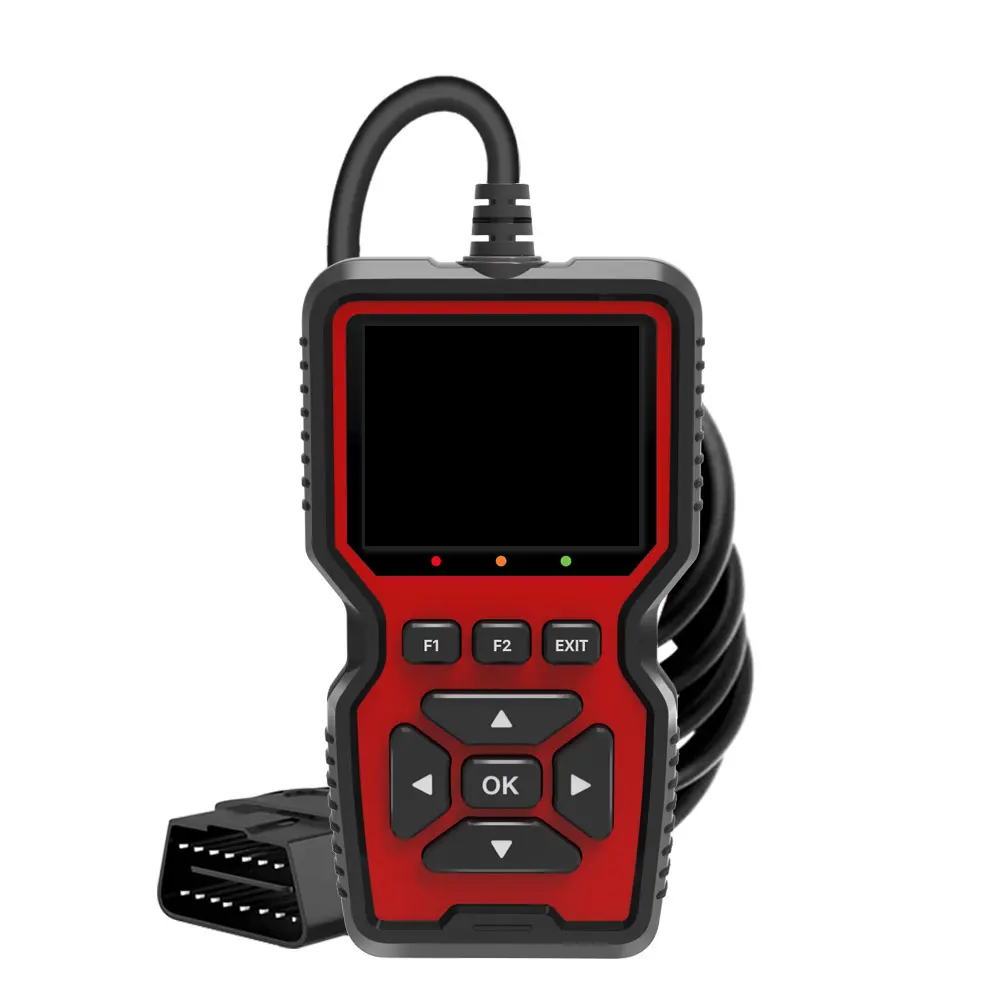
Diagnosis of P1506 requires a systematic approach, often utilizing an advanced OBD-II scanner and a digital multimeter (DMM).
- Visual Inspection:
- Begin with a thorough visual inspection of all vacuum lines, hoses, and connections for cracks, disconnections, or obvious damage. Pay close attention to the PCV system, brake booster hose, and any auxiliary vacuum-operated components.
- Inspect the throttle body for excessive carbon buildup around the throttle plate and inside the bore. Ensure the throttle plate moves freely and fully closes without binding.
- Examine the IAC valve’s electrical connector and wiring for signs of corrosion, fraying, or loose connections.
- OBD-II Scanner Live Data Analysis:
- Connect an OBD-II scanner and monitor live data parameters with the engine running at idle.
- Engine RPM: Compare the actual engine RPM with the PCM’s commanded target idle RPM. A significant discrepancy is expected.
- IAC Valve Position/Duty Cycle: Observe the commanded position or duty cycle of the IAC valve. If the PCM is commanding the IAC to a low step count or duty cycle (indicating an attempt to close it) but the RPM remains high, this strongly suggests either a physical problem with the IAC or uncontrolled air.
- Throttle Position Sensor (TPS): Verify that the TPS reads 0% at closed throttle. Any reading above 0% indicates a throttle plate issue or misadjusted TPS (if applicable).
- Short Term Fuel Trim (STFT) & Long Term Fuel Trim (LTFT): Monitor fuel trims. Positive fuel trims, particularly high STFT, can indicate a lean condition caused by unmetered air (vacuum leak).
- Vacuum Leak Testing:
- Perform a professional smoke test on the intake manifold and all associated vacuum lines. This method is highly effective in pinpointing even small leaks that are difficult to detect visually or by sound.
- As an alternative (with extreme caution and proper ventilation), carefully spray unlit propane gas or a non-flammable throttle body cleaner around suspected vacuum leak areas while the engine idles. A temporary change in engine RPM or quality indicates a leak location. Have a fire extinguisher readily available.
- IAC Valve Electrical & Mechanical Testing:
- Electrical Test: Disconnect the IAC valve connector. With the key on, engine off (KOEO), use a DMM to check for appropriate voltage and ground signals at the connector pins (consult service manual for specific pinouts and values). Test the resistance across the IAC valve’s terminals (if it’s a stepper motor or solenoid type) and compare to manufacturer specifications. An open circuit or out-of-spec resistance indicates an internal fault.
- Mechanical Test: If equipped with a bi-directional scanner, attempt to command the IAC valve to different open/close positions. Observe if the engine RPM responds accordingly. If the RPM does not change, or changes minimally, the IAC valve is likely stuck or faulty.
- Throttle Body Cleaning: If carbon buildup is observed, thoroughly clean the throttle bore and throttle plate using an appropriate throttle body cleaner. Ensure no residue obstructs the throttle’s full closure.
Recommended Repairs and Solutions
- Repair Vacuum Leaks: The most common fix is to identify and repair all vacuum leaks. This may involve replacing cracked or deteriorated vacuum hoses, intake manifold gaskets, PCV valve, or the brake booster. After repair, perform another smoke test to confirm all leaks are sealed.
- Clean or Replace Idle Air Control (IAC) Valve: If the IAC valve is found to be dirty and sticking, attempt a thorough cleaning with an IAC-safe throttle body cleaner. If cleaning does not resolve the issue, or if electrical tests confirm an internal fault, the IAC valve should be replaced.
- Clean Throttle Body: If carbon buildup prevents the throttle plate from fully closing, a thorough cleaning of the throttle bore and plate is necessary. Ensure the throttle plate operates smoothly and completely closes afterward.
- Repair Wiring or Connector Issues: If diagnostics reveal damaged wiring or a corroded connector to the IAC valve, repair or replace the affected section of the harness or the connector itself to restore proper electrical continuity.
- ECM/PCM Replacement (Rare): Only consider ECM/PCM replacement as a last resort, after all other components, wiring, and vacuum systems have been thoroughly tested and verified to be functional. This usually requires reprogramming.
- Post-Repair Procedures: After any repair related to the IAC valve or throttle body, clear the P1506 code with an OBD-II scanner. Many vehicles require an idle relearn procedure to allow the PCM to adapt to the new airflow characteristics; consult the vehicle’s service manual for the specific procedure.