What Does Code P1505 Mean?
The diagnostic trouble code P1505, “Idle Air Control System At Adaptive Clip,” signifies that the Engine Control Module (ECM) or Powertrain Control Module (PCM) has detected an issue with the vehicle’s Idle Air Control (IAC) system. The ECM/PCM utilizes the IAC valve to precisely regulate the amount of air bypassing the closed throttle plate, thereby maintaining a stable and appropriate engine idle speed under varying conditions (engine temperature, electrical load, A/C compressor engagement). The ECM employs an adaptive learning strategy to fine-tune IAC valve operation to achieve its target idle speed.
When P1505 sets, it means the ECM has commanded the IAC valve to either its absolute maximum or minimum operational limit (the “adaptive clip”) in an attempt to achieve the desired idle RPM, but has been unsuccessful. Essentially, the ECM has run out of “range” to compensate for an underlying issue affecting idle air flow. This indicates a significant deviation in the system’s ability to control idle, suggesting either excessive unmetered air entering the engine (e.g., a vacuum leak) or insufficient/excessive metered air due to a faulty IAC valve or a dirty throttle body.
Common Symptoms
- Erratic or Unstable Idle: The engine RPM may fluctuate wildly (hunting or surging).
- High Idle Speed: The engine idles significantly higher than normal, even when fully warmed up.
- Low Idle Speed or Stalling: The engine may idle too low, stumble, or stall, especially when coming to a stop or at rest.
- Difficulty Starting: The engine may crank for an extended period or refuse to start without throttle input.
- Check Engine Light (MIL) Illuminated: The primary indicator that a fault has been detected.
- Reduced Fuel Economy: If the engine is forced to idle at an elevated RPM, fuel consumption will increase.
What Causes the Code P1505?
- Faulty or Contaminated Idle Air Control (IAC) Valve: Carbon buildup can restrict the IAC valve’s movement, causing it to stick open or closed. Internal electrical failures (open or shorted windings) can also render it inoperative.
- Vacuum Leaks: Unmetered air entering the intake manifold downstream of the mass airflow sensor (MAF) will disrupt the ECM’s ability to control idle. Common sources include cracked vacuum hoses, a leaking PCV valve or hose, a faulty brake booster, or deteriorated intake manifold gaskets or throttle body gaskets.
- Dirty or Restricted Throttle Body: Excessive carbon buildup around the throttle plate edge prevents it from fully closing, creating an uncontrolled air bypass that the IAC system cannot compensate for.
- Electrical Circuit Issues: Damaged wiring (chafed, cut, or corroded), loose or corroded connectors affecting the IAC valve’s power supply or signal circuits.
- Restricted Air Intake System: A severely clogged air filter or a collapsed intake hose, while less common for P1505, could potentially reduce overall air intake enough to influence idle control.
- ECM/PCM Failure: While rare, an internal fault within the ECM/PCM affecting its idle control algorithms or IAC driver circuit can cause this code. This should only be considered after all other possibilities have been thoroughly exhausted.
How to Diagnose and Troubleshoot
A systematic approach is crucial for accurately diagnosing P1505:
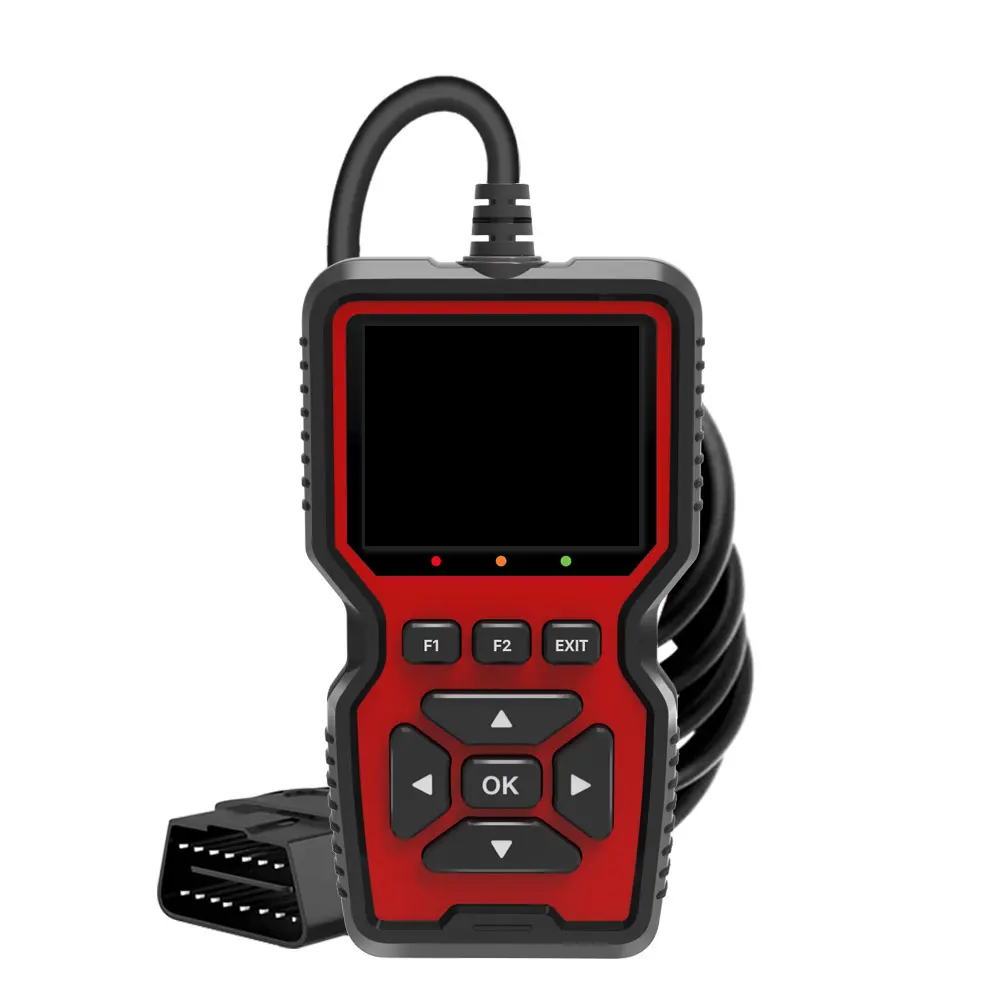
- Retrieve Freeze Frame Data: Use an OBD-II scanner to view freeze frame data, which captures engine conditions (RPM, engine temperature, throttle position, fuel trims) at the moment the code was set. This provides valuable context for troubleshooting.
- Thorough Visual Inspection:
- Carefully inspect all visible vacuum lines, fittings, and the PCV valve for cracks, disconnections, or signs of dry rot.
- Check the intake manifold and throttle body gaskets for signs of leaks.
- Inspect the IAC valve and its electrical connector for corrosion, damage, or loose connections.
- Examine the throttle body bore and plate for significant carbon buildup that might prevent proper closure.
- Vacuum Leak Detection:
- A smoke machine is the most effective tool for pinpointing vacuum leaks. Introduce smoke into the intake manifold and observe where it escapes.
- Alternatively, use an unlit propane torch or carb cleaner sparingly around vacuum connections and intake gaskets. A change in engine RPM indicates a leak.
- IAC Valve Electrical Testing (with DMM):
- Disconnect the IAC valve connector.
- Using a Digital Multimeter (DMM), measure the resistance across the IAC valve’s coil terminals. Consult vehicle-specific service information for expected resistance values (typically 10-40 ohms for stepper motor types). Infinite resistance indicates an open circuit; very low resistance indicates a short.
- With the ignition ON and engine OFF, check for proper voltage supply (usually battery voltage) and ground signals at the IAC valve harness connector, again referencing the vehicle’s wiring diagram.
- Live Data Analysis (with OBD-II Scanner):
- Monitor live data streams for the IAC valve position (steps or percentage) and target vs. actual engine RPM. At idle, the IAC value should fluctuate within a reasonable range, not be constantly at its maximum or minimum limit.
- Observe Short Term Fuel Trim (STFT) and Long Term Fuel Trim (LTFT). Consistently positive fuel trims (e.g., +15% or higher) suggest a lean condition, often caused by unmetered air (vacuum leak) forcing the ECM to add more fuel.
- Throttle Body Inspection and Cleaning: If visual inspection reveals carbon buildup, carefully clean the throttle body bore and the edges of the throttle plate using a specialized throttle body cleaner and a lint-free cloth. Ensure the throttle plate can move freely and seat completely.
Recommended Repairs and Solutions
Addressing P1505 typically involves one or more of the following:
- Clean or Replace IAC Valve: If the IAC valve is sticking due to carbon buildup, attempt to clean it thoroughly with throttle body cleaner. If cleaning does not resolve the issue, or if electrical tests indicate an internal fault, replacement of the IAC valve is necessary. Ensure the replacement part is of high quality.
- Repair Vacuum Leaks: Replace any cracked or hardened vacuum hoses, a faulty PCV valve, or leaking intake manifold gaskets. Utilize a smoke machine for definitive leak detection and repair.
- Clean Throttle Body: If excessive carbon deposits were found during diagnosis, a comprehensive cleaning of the throttle body is crucial. After cleaning, ensure the throttle plate operates smoothly and seals properly when closed.
- Repair Wiring and Connectors: If electrical tests revealed an open circuit, short, or poor connection in the IAC valve’s wiring or connector, perform the necessary repairs (e.g., splice in new wire, replace connector).
- Perform Idle Relearn Procedure: After cleaning the throttle body, replacing the IAC valve, or addressing significant vacuum leaks, it is almost always necessary to perform a manufacturer-specific idle relearn procedure. This allows the ECM to re-adapt its idle control parameters to the new baseline. This procedure varies by vehicle and may involve specific key cycles, driving patterns, or require a scan tool to initiate. Failing to perform this step can result in continued idle issues.
- Mechanic’s Tip: Always clear the fault codes after performing repairs and then drive the vehicle to allow the ECM to complete its diagnostic cycles and confirm the repair. Monitor live data, particularly fuel trims and IAC position, during this test drive to ensure the system is operating within expected parameters.