What Does Code P1616 Mean?
DTC P1616 is a manufacturer-specific diagnostic trouble code, most commonly associated with Nissan and Infiniti vehicles. It stands for NATS (Nissan Anti-Theft System) Control Unit – Malfunction or ECM-NATS Communication Error. This code indicates that the Engine Control Module (ECM), also referred to as the Powertrain Control Module (PCM), has detected an anomaly in the communication or authentication process with the NATS (Immobilizer) control unit. The NATS system is designed to prevent unauthorized engine starting by requiring a specific transponder signal from a registered key. When the ECM fails to receive the correct or expected signal from the NATS unit, or if the communication link between them is faulty, it interprets this as a security breach or system malfunction and sets the P1616 code. This subsystem primarily affects the vehicle’s starting capabilities, often preventing the engine from firing or allowing it to run for only a few seconds before shutting down.
Common Symptoms
- Engine cranks but fails to start.
- Engine starts momentarily (1-2 seconds) then immediately dies.
- The security indicator light (often a small car icon with a key or lock symbol) on the instrument panel flashes rapidly when attempting to start, or remains steadily illuminated.
- No discernable symptoms beyond the Check Engine Light (CEL) being illuminated, though this is rare with immobilizer-related codes.
- Difficulty programming new keys or control modules.
What Causes the Code P1616?
- Faulty NATS Control Unit: An internal failure within the immobilizer control unit itself can disrupt its communication with the ECM.
- Wiring Harness Issues: Open circuits, short circuits, or excessive resistance in the communication wiring (e.g., CAN bus lines or dedicated signal wires) between the ECM and the NATS control unit. Poor connections or corrosion at module connectors.
- Faulty Engine Control Module (ECM/PCM): Although less common, an internal fault within the ECM’s immobilizer communication circuit can prevent proper handshake with the NATS unit.
- Transponder Key Malfunction: A damaged or improperly programmed transponder key, or a faulty transponder antenna coil around the ignition barrel, can prevent the NATS unit from recognizing the key, leading to a communication failure with the ECM.
- Improper Module Programming/Synchronization: If the ECM or NATS control unit has been replaced without proper synchronization or programming to each other and to the vehicle’s keys, this code will be set.
- Voltage Supply Issues: Insufficient or intermittent power supply (e.g., low battery voltage, faulty alternator, poor ground connections) to either the ECM or the NATS unit can cause communication disruptions.
How to Diagnose and Troubleshoot
A systematic diagnostic approach is crucial for P1616:
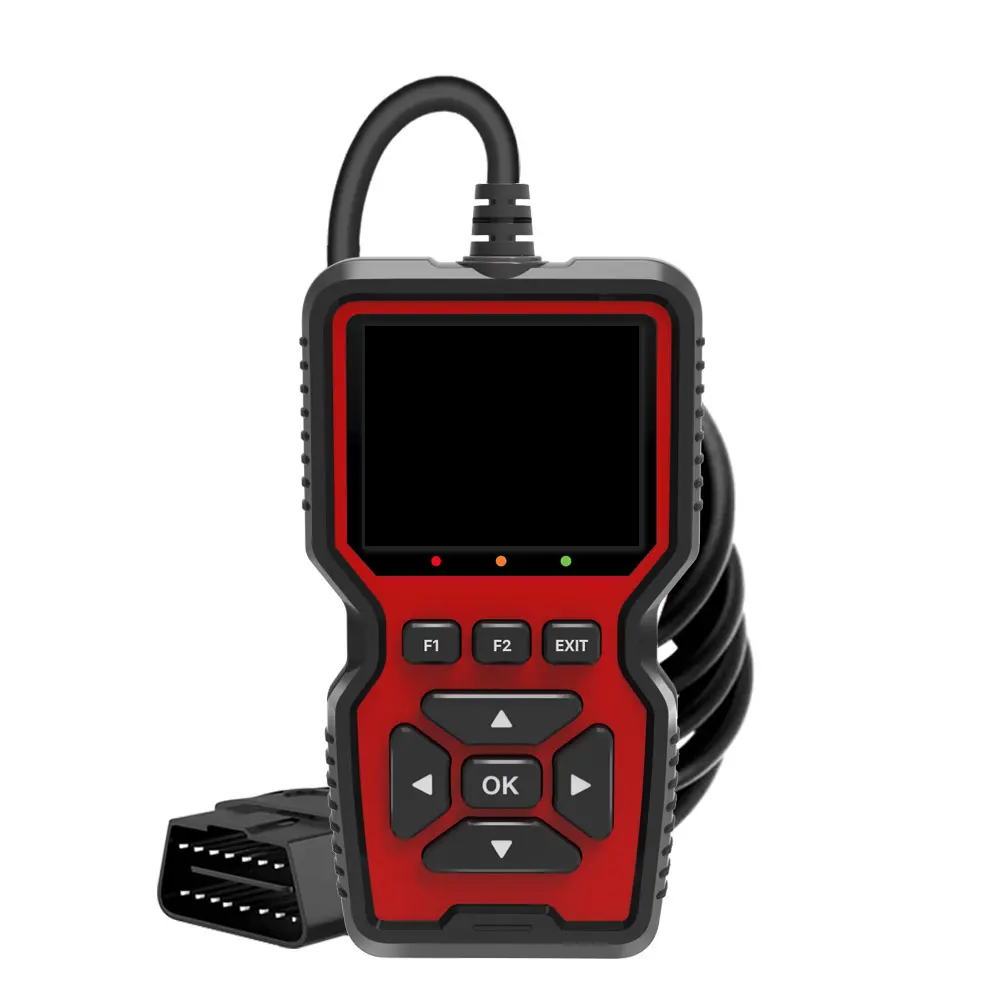
- Initial Scan Tool Diagnosis: Connect an advanced OBD-II scanner capable of reading manufacturer-specific codes and live data. Check for P1616 and any related immobilizer or communication codes (e.g., P1610, P1611, B2190). Review freeze frame data to understand engine conditions when the code was set.
- Observe NATS Indicator Light: Turn the ignition to the “ON” position. A rapidly flashing security light typically indicates an unrecognized key or immobilizer system fault preventing authorization. A steadily illuminated light might suggest a communication fault or an internal NATS unit issue.
- Battery Voltage Check: Use a digital multimeter (DMM) to verify the vehicle’s battery voltage. Ensure it is at least 12.6 volts static and maintains a stable voltage (above 10.5V) during cranking. Low voltage can cause module communication errors.
- Inspect Wiring and Connectors: Visually inspect the wiring harness connecting the ECM to the NATS control unit. Look for signs of damage, chafing, corrosion, or loose connections. Pay close attention to the communication lines (often twisted pairs for CAN bus) and power/ground circuits. Consult the vehicle-specific wiring diagram to identify relevant pins and wires.
- Power and Ground Verification: With the DMM, check for proper battery voltage and solid ground at the NATS control unit connector and the ECM connector. Probe specific power and ground pins according to the wiring diagram. Look for excessive voltage drops across these circuits.
- Transponder Key Test: If a spare key is available, attempt to start the vehicle with it. If the vehicle starts, the original key’s transponder may be faulty. If both keys fail, the issue lies elsewhere. Advanced scan tools may have a function to read key ID or transponder status.
- Communication Line Integrity Test: Disconnect the battery and both the ECM and NATS control unit connectors. Using a DMM, check for continuity on the communication wires between the two modules. Also, check for shorts to ground and shorts to power on these lines. Check resistance on CAN lines, often around 60 ohms (network dependent).
- NATS Unit Communication Check (Advanced Scan Tool): If available, use a factory-level diagnostic tool (e.g., Nissan Consult-III/IV) to communicate directly with the NATS/Immobilizer module. If the scan tool cannot communicate with the NATS unit, it points towards a faulty NATS unit, its power/ground, or the communication wiring to it.
- ECM Test (Last Resort): If all other components and wiring check out as good, and proper programming has been confirmed, a faulty ECM becomes a possibility. This often requires specialized equipment for testing or replacement and reprogramming.
Recommended Repairs and Solutions
- Repair Wiring Harness: If damaged or corroded wiring or connectors are identified, repair or replace the affected section of the harness. Ensure all connections are clean, tight, and weatherproofed.
- Replace Transponder Key: If testing indicates a faulty transponder key, replace it. Important: A new transponder key will need to be programmed to the NATS system using a factory-level diagnostic tool to be recognized.
- Replace NATS Control Unit: If the NATS control unit is confirmed to be faulty (e.g., no communication, internal fault codes, or failure to authorize a known good key), it must be replaced. Crucially, a new NATS control unit will require programming and synchronization to the vehicle’s ECM and all existing keys using a factory-level scan tool (such as Nissan Consult-III/IV). Failure to do so will result in continued immobilization and persistence of P1616.
- Replace ECM/PCM: If the ECM is determined to be the root cause, it will need to be replaced. Similar to the NATS unit, a new ECM will require synchronization with the NATS unit and programming for vehicle-specific parameters and keys using appropriate diagnostic equipment.
- Perform NATS Synchronization/Key Registration: After replacing either the NATS control unit or the ECM, or when adding/replacing keys, a specific NATS system synchronization procedure must be performed. This involves using a factory scan tool to “match” or “register” the components, often requiring a security PIN and following specific on-screen prompts. This step is absolutely critical for the engine to start and for the P1616 code to clear.
- Address Power/Ground Issues: If low battery voltage or poor power/ground connections were identified, repair the battery, charging system, or ground straps as necessary to ensure stable voltage supply to all modules.