What Does Code P1617 Mean?
DTC P1617 indicates a fault within the vehicle’s immobilizer system, specifically related to an “Interactive Code” condition, often associated with manufacturer-specific anti-theft systems like Nissan’s NATS (Nissan Anti-Theft System). This code signifies that the Engine Control Module (ECM) or Powertrain Control Module (PCM) has detected an irregular or absent communication signal, or an incorrect response, from the Immobilizer Control Unit (IMMU). The IMMU is responsible for verifying the legitimacy of the transponder key before allowing the ECM to authorize engine start and fuel delivery. When P1617 is set, it means the ECM is not receiving the expected authentication handshake or data stream from the IMMU, or the data received is corrupted, leading to a state where the engine cannot be started or will start and immediately stall due to a security lockout.
Common Symptoms
- Engine cranks but does not start (no spark, no fuel injector pulse).
- Engine starts momentarily (1-3 seconds) and then immediately stalls.
- The security indicator light (often a key symbol or car with a lock) on the instrument cluster may be illuminated solid, flashing rapidly, or not illuminating at all when expected.
- Malfunction Indicator Lamp (MIL) illuminated.
- Inability to program new keys to the vehicle.
What Causes the Code P1617?
- Faulty Immobilizer Control Unit (IMMU): Internal failure of the module responsible for reading the transponder key and communicating with the ECM.
- Wiring Harness or Connector Issues: Open circuits, short circuits, corrosion, or poor connections in the communication lines (e.g., data bus) or power/ground supply to the IMMU or between the IMMU and ECM.
- Faulty Transponder Key: Damaged or incorrect transponder chip within the ignition key, preventing proper authentication.
- ECM/PCM Malfunction: While less common, a faulty ECM/PCM that cannot properly communicate with or interpret signals from the IMMU can trigger this code.
- Improper Programming or Synchronization: Incorrect key programming, IMMU replacement without proper synchronization to the ECM, or ECM replacement without proper immobilizer re-linking.
- Interference: Electrical interference affecting the communication between the key, IMMU, and ECM.
How to Diagnose and Troubleshoot
Diagnosis of P1617 requires careful, systematic investigation, often involving manufacturer-specific diagnostic procedures and tools:
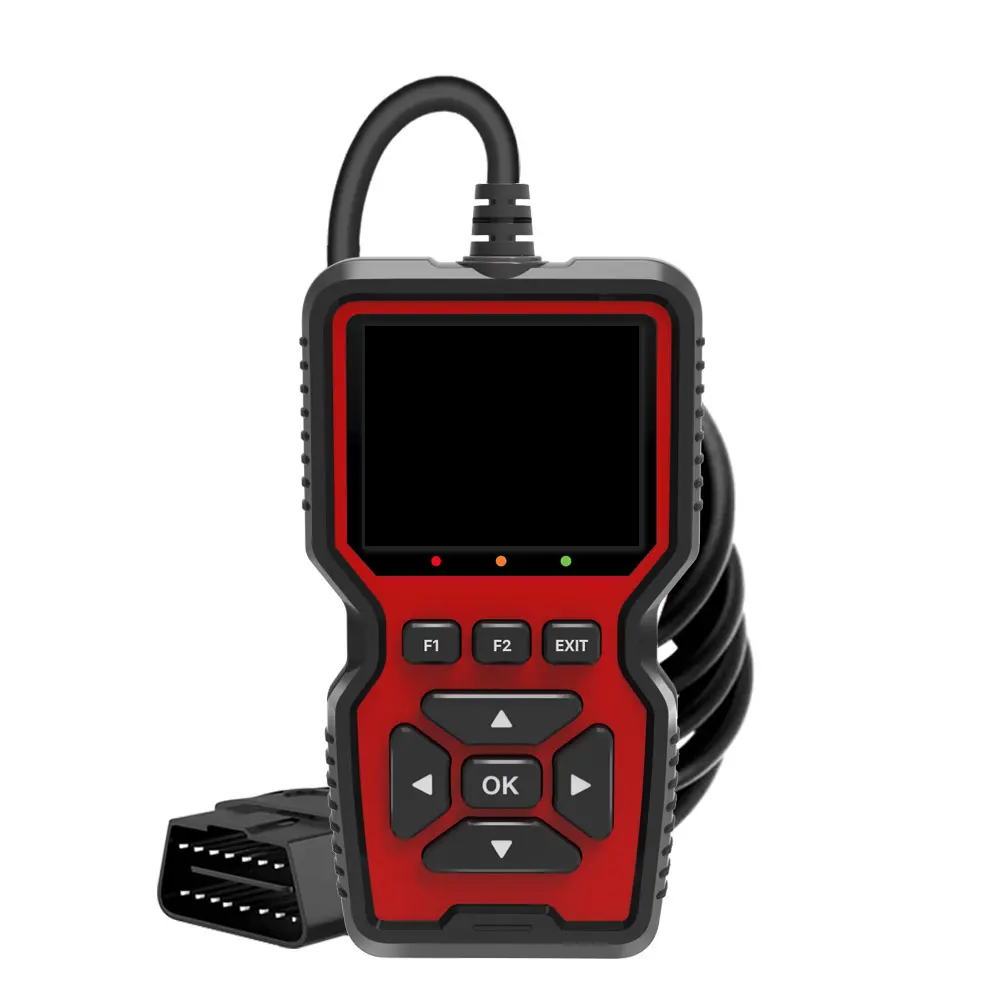
- Verify Code and Freeze Frame Data: Connect an OBD-II scan tool to confirm P1617 is present. Review freeze frame data to understand engine conditions (RPM, engine load, coolant temp, etc.) at the moment the code was set. Check for any other related immobilizer or communication codes.
- Visual Inspection: Disconnect the vehicle’s battery. Visually inspect the wiring harnesses and connectors leading to the IMMU, the ignition key cylinder (antenna coil), and the ECM. Look for signs of damage, fraying, corrosion, pinch points, or loose connections. Ensure all connectors are fully seated.
- Battery Voltage and Ground Integrity Check: Using a Digital Multimeter (DMM), verify that the vehicle battery voltage is stable (12.6V or higher). Check for proper power and ground supply to both the IMMU and the ECM. Refer to the vehicle’s wiring diagrams for specified voltage and ground points. Any voltage drops or high resistance grounds can cause communication errors.
- Security Light Behavior Observation: Observe the security light on the dashboard. Its behavior (constant on, flashing rapidly, or off during cranking) can provide clues about the IMMU’s status. Consult the vehicle’s service manual for specific light patterns and their meanings.
- Immobilizer System Communication Check: If available, use a manufacturer-specific scan tool (e.g., Nissan Consult) to access the immobilizer system’s dedicated data stream. Check for key ID registration status, IMMU status, and communication signals between the IMMU and ECM. Attempt to perform an immobilizer system self-test or communication test.
- Wiring Continuity and Resistance Check: Disconnect the IMMU and ECM connectors (with the battery disconnected). Using a DMM, perform continuity checks on the communication lines between the IMMU and ECM as specified in the wiring diagram. Also, check for shorts to ground or power. Measure resistance in these circuits; an open circuit or excessively high resistance indicates a problem.
- Transponder Key Test: If multiple keys are available, attempt to start the vehicle with each key. If one key works but others do not, the issue may be with the specific key’s transponder chip. If no key works, the issue is likely with the IMMU, wiring, or ECM.
- Antenna Coil Check: The antenna coil around the ignition cylinder reads the transponder key. Inspect its wiring for damage and, if possible with diagnostic tools, test its functionality.
Recommended Repairs and Solutions
Addressing P1617 typically involves repairs or replacements within the vehicle’s immobilizer system:
- Repair or Replace Wiring/Connectors: If visual inspection or electrical testing reveals damaged, corroded, or open/shorted wiring or connectors in the immobilizer circuit, repair or replace the affected sections. Ensure proper crimping and sealing for durable repairs.
- Replace Faulty Transponder Key: If diagnostics point to a specific key as the problem, replace the key and have it professionally programmed to the vehicle’s IMMU and ECM. This requires specialized equipment.
- Replace Immobilizer Control Unit (IMMU): If the IMMU is confirmed to be faulty (e.g., no power/ground, no communication, internal failure), replace it. Important Mechanic’s Tip: Most IMMU replacements require specialized programming and synchronization with the existing ECM and all vehicle keys. This often necessitates a factory-level scan tool or equivalent professional programming device. Skipping this step will prevent the engine from starting.
- ECM/PCM Reprogramming or Replacement: In rare cases where the ECM/PCM is determined to be the root cause (e.g., internal immobilizer logic corruption, communication driver failure), it may need reprogramming or replacement. If replaced, the new ECM/PCM will require immobilizer system linking and key programming.
- Clear Code and Test Drive: After any repair, clear the DTCs using an OBD-II scan tool. Attempt to start the vehicle multiple times and perform a short test drive (if possible) to confirm the repair and ensure the code does not return.