What Does Code P1688 Mean?
DTC P1688 signifies a detected malfunction within the Metering Oil Pump (MOP) Stepping Motor circuit. This code is typically encountered in vehicles equipped with a separate, electronically controlled oil injection system, most notably in Mazda’s rotary engines (e.g., Renesis in the RX-8) or certain direct injection gasoline engines where precise, supplemental lubrication is critical. The Engine Control Module (ECM) or Powertrain Control Module (PCM) monitors the electrical circuit of the MOP stepping motor. This motor is responsible for precisely controlling the amount of lubricating oil injected into specific engine components (such as apex seals in a rotary engine) based on engine RPM, load, and temperature. When the ECM/PCM detects an electrical fault—such as an open circuit, a short circuit, abnormal resistance, or an inability to command and confirm the stepping motor’s position or operation—it interprets this as a malfunction in the circuit and illuminates the Malfunction Indicator Lamp (MIL), storing code P1688. This condition directly impacts the engine’s lubrication strategy, potentially leading to inadequate lubrication and severe engine damage if not addressed.
Common Symptoms
- Check Engine Light (MIL) illumination: This is the primary and most immediate symptom.
- Reduced engine performance: The ECM/PCM may engage a “limp home” mode to protect the engine, limiting RPM and power output.
- Rough idle or misfires: If lubrication is compromised, particularly in rotary engines, internal wear can lead to sealing issues and combustion problems.
- Increased or decreased oil consumption: Depending on whether the MOP is stuck in an open or closed position, or if it’s completely inoperative.
- Unusual engine noises: Tapping, knocking, or squealing sounds can indicate severe friction or wear due to a lack of proper lubrication (a late-stage symptom of prolonged MOP failure).
- Difficulty starting: In severe cases of internal engine damage caused by MOP failure.
What Causes the Code P1688?
- Faulty Metering Oil Pump (MOP) Stepping Motor: Internal electrical failure of the motor’s windings, brushes, or position sensor.
- Wiring harness issues: Open circuits, short circuits, or excessive resistance in the wiring between the ECM/PCM and the MOP. This can be caused by chafing, cuts, rodent damage, or corrosion.
- Corroded or loose electrical connectors: Poor contact at the MOP connector or at the ECM/PCM connector.
- Faulty Engine Control Module (ECM/PCM): A rare but possible failure of the internal driver circuit responsible for controlling the MOP stepping motor.
- Contaminated or incorrect oil: While primarily an electrical code, severely contaminated or incorrect viscosity oil can lead to mechanical binding within the pump, causing the stepping motor to over-current or seize, leading to an electrical fault detection.
- Obstructed oil lines/passages: Blockages in the oil delivery lines from the MOP to the engine can cause the pump to bind or work against excessive pressure, stressing the stepping motor.
How to Diagnose and Troubleshoot
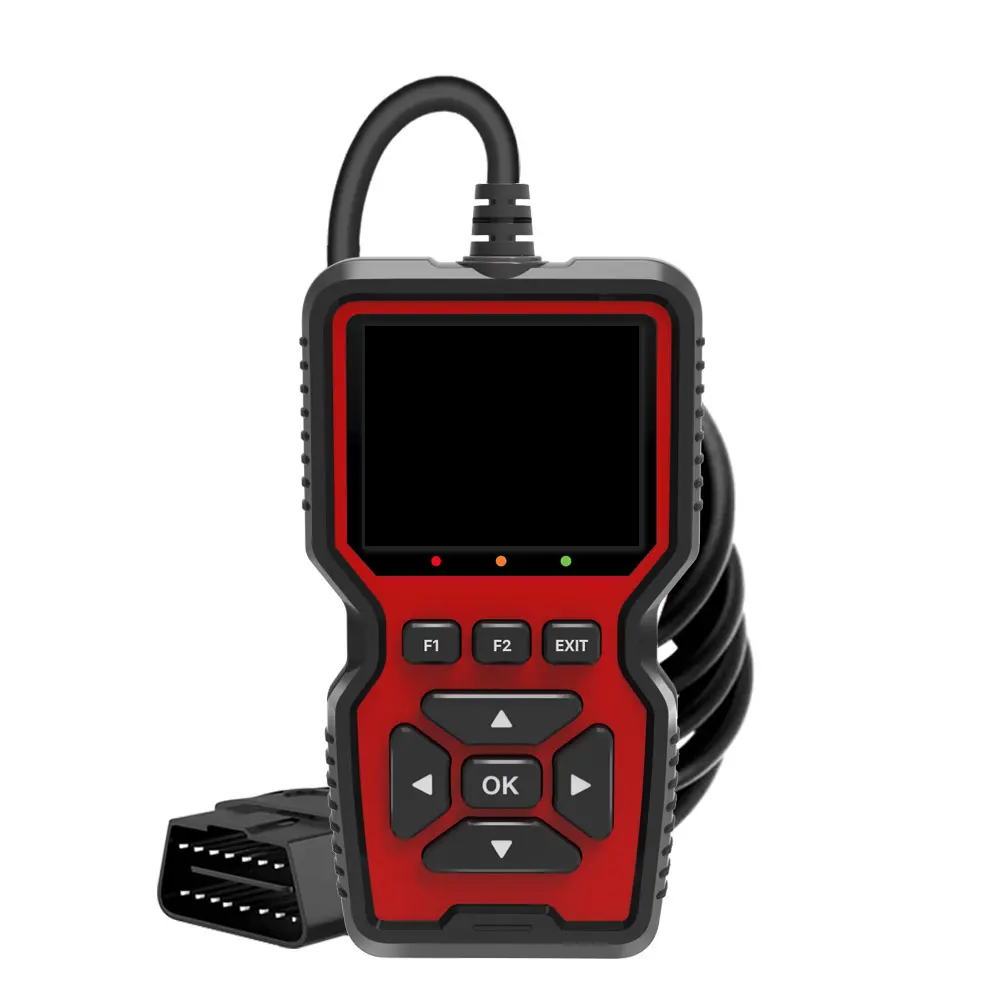
Diagnosis of P1688 requires a methodical approach, utilizing an OBD-II scanner, a Digital Multimeter (DMM), and thorough visual inspection.
- Initial Scan and Data Analysis:
- Connect an OBD-II scanner to confirm P1688 and check for any related or accompanying diagnostic trouble codes.
- Review freeze frame data associated with P1688. This data captures engine operating conditions (RPM, load, temperature) at the moment the code was set, providing crucial context.
- Clear the code and perform a test drive to see if it immediately returns.
- Visual Inspection:
- Carefully inspect the Metering Oil Pump assembly and its electrical connector. Look for obvious signs of damage, such as frayed or chafed wiring, corrosion on the connector pins, loose connections, or evidence of rodent activity.
- Check for oil leaks around the MOP that could potentially contaminate electrical circuits.
- Inspect the oil lines leading to and from the MOP for kinks, damage, or blockages.
- Electrical Testing of the MOP:
- With the ignition off, disconnect the MOP electrical connector.
- Using a DMM, measure the resistance across the MOP stepping motor pins (refer to the vehicle’s factory service manual for specific pinouts and resistance specifications). An open circuit (infinite resistance) or a short circuit (near zero resistance) indicates an internal fault within the MOP stepping motor. Out-of-spec resistance also points to a faulty motor.
- With the engine at operating temperature and ignition ON (engine not necessarily running), check for proper voltage supply and ground at the MOP connector terminals coming from the ECM/PCM.
- Wiring Harness Continuity and Short Testing:
- Leave the MOP connector disconnected. Disconnect the ECM/PCM connector (following proper procedures to avoid damage).
- Using the DMM, perform a continuity test on each wire between the MOP connector and the corresponding ECM/PCM connector pin. Any open circuits indicate a break in the wiring.
- Test each wire for shorts to ground and shorts to vehicle power.
- ECM/PCM Output Control Test (Advanced):
- If the MOP and its wiring test good, the fault might lie within the ECM/PCM’s driver circuit.
- Using an oscilloscope or a specialized scanner with bi-directional control, command the MOP to operate (if supported). Observe the control signals (e.g., PWM signals) from the ECM/PCM at the MOP connector. Lack of proper signal indicates an ECM/PCM internal fault.
Recommended Repairs and Solutions
Addressing P1688 typically involves rectifying the identified electrical or mechanical fault associated with the metering oil pump.
- Repair or Replace Wiring Harness: If visual inspection and electrical testing reveal damaged, corroded, or open/shorted wiring, the affected section of the wiring harness must be repaired or replaced. Ensure all repairs are done using appropriate connectors, heat shrink tubing, and best practices to maintain circuit integrity and weather resistance.
- Replace Metering Oil Pump (MOP) Assembly: In most cases where the MOP stepping motor itself is faulty (confirmed by resistance checks), the entire MOP unit will need replacement. This is a common failure point for this specific code.
- Mechanic’s Tip: When replacing the MOP, it is crucial to follow the manufacturer’s specific priming and bleeding procedures for the oil lines to ensure no air is trapped in the system and that oil flow is immediately re-established. Some vehicles may require a scan tool to perform a “MOP Reset” or “Learning” procedure after replacement.
- Mechanic’s Tip: Consider inspecting and potentially cleaning the oil injection nozzles and lines during MOP replacement, as blockages here can indirectly stress the pump.
- ECM/PCM Replacement: This should be considered a last resort, only after the MOP and all associated wiring have been thoroughly tested and confirmed to be fault-free. ECM/PCM replacement typically requires specialized programming or flashing to match the vehicle’s specifications.
After any repair, clear the DTCs from the ECM/PCM and perform a thorough test drive under various operating conditions to confirm that the P1688 code does not return and that the MOP is functioning correctly. Monitoring MOP position or duty cycle via live data on a scan tool can provide confirmation of proper operation.