What Does Code P1284 Mean?
DTC P1284 signifies an Aborted KOER – ICP Failure. This diagnostic trouble code is primarily associated with Ford Power Stroke diesel engines (e.g., 7.3L, 6.0L, 6.4L) and other International (Navistar) engines that utilize a High-Pressure Oil Pump (HPOP) system to actuate their fuel injectors. The Key On Engine Running (KOER) self-test is a comprehensive diagnostic routine initiated by the Powertrain Control Module (PCM) or Engine Control Module (ECM) to assess the functionality of various engine systems under dynamic operating conditions.
During a KOER test, the PCM commands specific Injector Control Pressure (ICP) values and rigorously monitors the actual ICP feedback from the ICP sensor. The ICP system is critical, as the HPOP uses engine oil at very high pressure to actuate the fuel injectors, which then deliver fuel into the combustion chambers. If the PCM detects that the actual ICP fails to achieve or maintain the commanded pressure within predetermined limits during the KOER test, or if there is a rapid, uncontrolled drop in pressure, the test will be aborted, and DTC P1284 will be set. This code indicates a fundamental inability of the high-pressure oil system to perform as expected, directly impacting fuel injection control and engine operation.
Common Symptoms
- Engine Cranks But Won’t Start: This is a very common and critical symptom, especially when the engine is warm.
- Extended Crank Times: The engine takes longer than usual to start, particularly after sitting or when hot.
- Rough Idling or Stalling: Engine may start but run erratically, stall shortly after starting, or exhibit a very rough idle.
- Reduced Engine Power: Noticeable decrease in acceleration and overall engine performance.
- Misfire Conditions: Irregular engine operation indicating one or more cylinders are not firing correctly.
- Check Engine Light (CEL) Illumination: The Malfunction Indicator Lamp will be illuminated on the dashboard.
- Engine Hesitation or Lag: Delayed response to throttle input.
What Causes the Code P1284?
- Faulty Injector Control Pressure (ICP) Sensor: Providing inaccurate or erratic pressure readings to the PCM.
- Faulty Injector Pressure Regulator (IPR) Valve: Stuck open, stuck closed, or electrically malfunctioning, preventing the PCM from effectively controlling high-pressure oil flow and pressure.
- Internal High-Pressure Oil Leaks: Common failure points include O-rings on standpipes, dummy plugs, injector spool valves (O-rings), HPOP discharge tubes (e.g., STC fitting on 6.0L Power Stroke), or other internal oil rail seals. These leaks prevent sufficient pressure from building.
- Weak or Failing High-Pressure Oil Pump (HPOP): Unable to generate or sustain the required oil pressure for injector operation.
- Low Engine Oil Level or Improper Oil Viscosity: The HPOP relies entirely on engine oil. Insufficient or incorrect oil can lead to inadequate pressure.
- Electrical Circuit Issues: Open circuits, short circuits, or high resistance in the wiring harness or connectors for the ICP sensor or IPR valve.
- Contaminated Engine Oil: Debris or sludge in the oil can clog passages or damage HPOP/IPR components.
How to Diagnose and Troubleshoot
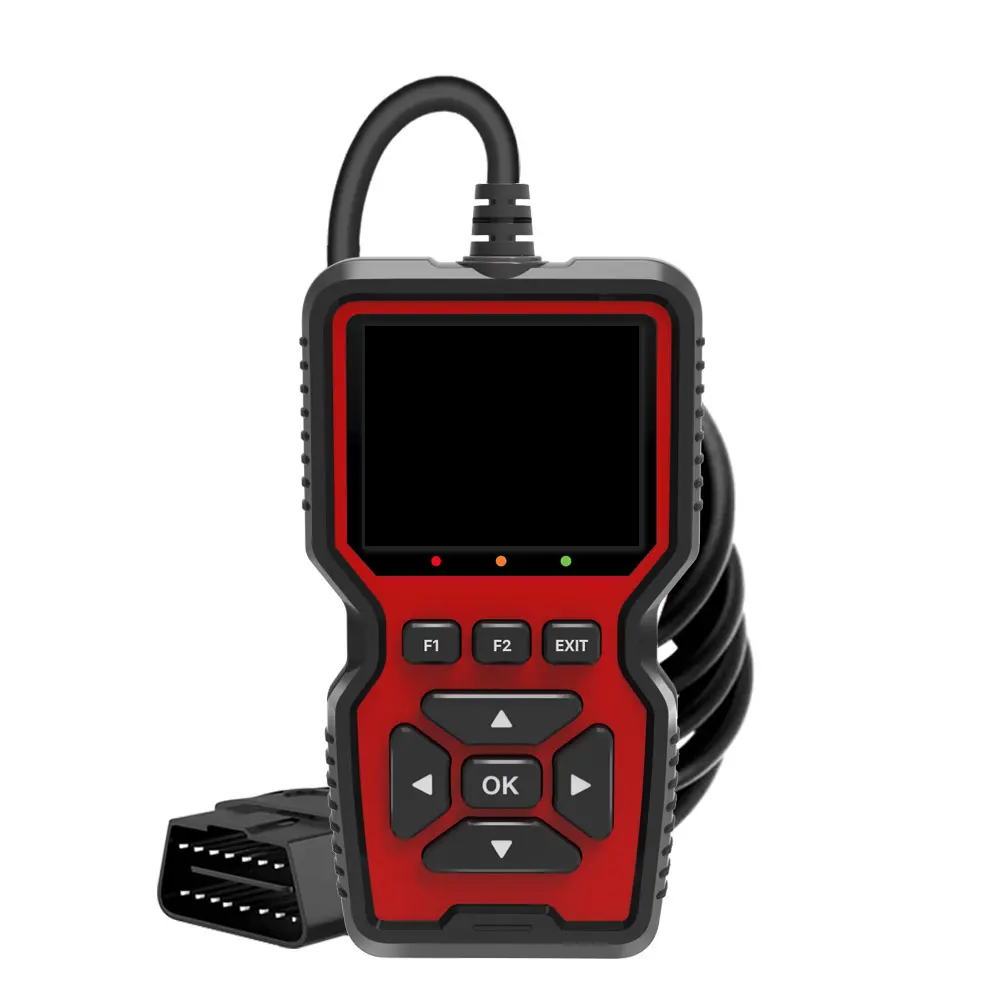
Diagnosing P1284 requires a methodical approach, focusing on the high-pressure oil system. An advanced OBD-II scanner capable of monitoring live data and commanding outputs is essential, along with a digital multimeter (DMM).
- Initial Verification and Visual Inspection:
- Connect an advanced OBD-II scanner. Confirm P1284 is present and check for any related codes (e.g., P02xx injector circuit codes, P0xxx IPR/ICP codes).
- Check engine oil level and condition. Ensure it’s full and the correct viscosity.
- Visually inspect the wiring harnesses for the ICP sensor and IPR valve for any signs of damage, chafing, or loose connections.
- Inspect for external oil leaks around the HPOP, ICP sensor, and under the valve covers (where standpipes, dummy plugs, and injector O-rings are located on some engines).
- Live Data Monitoring (Key On Engine Off – KOEO, and Cranking):
- With the key on, engine off (KOEO), observe ICP voltage and desired/actual ICP pressure with the scanner. Voltage should be near 0V or show atmospheric pressure (typically 0-5 PSI). If it reads significantly higher, the ICP sensor might be faulty.
- During engine cranking (especially a no-start condition), monitor the following parameters:
- Desired ICP: The pressure the PCM is requesting (typically around 500 PSI or 3.4 MPa for starting).
- Actual ICP: The pressure reported by the ICP sensor.
- IPR % Duty Cycle: The PCM’s command to the IPR valve (will usually ramp up from ~20% to ~85% during cranking if pressure is not building).
- If actual ICP does not build to desired pressure despite IPR % increasing, suspect a leak or weak HPOP. If ICP builds to desired pressure but the engine still won’t start, suspect a faulty ICP sensor providing false readings, or a fuel delivery issue.
- ICP Sensor Testing:
- Disconnect Test: If the engine has a no-start or rough running condition, try disconnecting the ICP sensor. Many PCM strategies will default to a pre-programmed ICP value in “limp home” mode. If the engine starts or runs significantly better, the ICP sensor is likely faulty.
- DMM Test: With the sensor connected, back-probe the ICP sensor signal wire (usually 0.5V at KOEO and increasing with pressure). Check reference voltage (typically 5V) and ground at the sensor connector.
- IPR Valve Testing:
- Resistance Check: Disconnect the IPR valve and measure its resistance across the terminals using a DMM. Refer to service specifications (e.g., 10-12 ohms for 7.3L/6.0L Power Stroke). Out-of-spec resistance indicates a faulty IPR coil.
- Power/Ground Check: Check for proper power and ground at the IPR valve connector.
- Solenoid Function: An advanced scanner may have an IPR “buzz” test function. Alternatively, carefully apply fused 12V directly to the IPR valve (if specified by manufacturer) to listen for an audible click, indicating solenoid movement.
- High-Pressure Oil System Air Test (Special Tool Required):
- This is often the most definitive way to locate internal leaks. Use a specialized adapter that allows shop air (e.g., 100-120 PSI) to be injected into the high-pressure oil system (usually via the IPR port or an injector port with dummy plugs/standpipes sealed).
- Listen carefully for air leaks under the valve covers (indicating injector O-rings, standpipes, or dummy plugs), at the HPOP discharge tube, or from the HPOP itself. Leaks will often be accompanied by bubbling in the oil pan or oil filler.
- HPOP Output Test: If no leaks are found and the IPR valve is functional, a dedicated HPOP flow/pressure test may be required. This usually involves blocking the HPOP output and monitoring the maximum pressure it can generate, or measuring its flow rate over time.
Recommended Repairs and Solutions
Once the root cause has been identified through thorough diagnosis, the following repairs are commonly indicated:
- Replace the ICP Sensor: If determined to be faulty, replace it with an OEM or high-quality aftermarket unit. Be aware that on some engines (e.g., 6.0L Power Stroke), the ICP sensor is located in a very difficult-to-access position (often under the turbocharger), requiring significant disassembly.
- Replace the IPR Valve: If electrical tests confirm a faulty coil, or if mechanical sticking is suspected (e.g., erratic pressure control even with good electrical signals).
- Repair High-Pressure Oil Leaks:
- STC (Snap-To-Connect) Fitting: For 6.0L Power Strokes, the original STC fitting at the HPOP discharge is a notorious failure point. Replace it with the updated, one-piece design.
- Standpipes and Dummy Plugs: Replace these components, ensuring all new O-rings are used. These are common sources of internal leaks on many diesel engines.
- Injector O-Rings: If air testing or visual inspection reveals leaks around the injectors, replace the injector O-rings. Consider inspecting and potentially replacing all injector O-rings if one is found to be leaking, especially on higher mileage engines.
- HPOP Discharge Tubes/Fittings: Replace any seals or the entire tube if it is compromised.
- Replace the High-Pressure Oil Pump (HPOP): If the HPOP fails output pressure/flow tests and no other leaks are found, it indicates an internal failure of the pump.
- Address Wiring Issues: Repair or replace any damaged sections of the ICP sensor or IPR valve wiring harness, including connectors.
- Ensure Proper Engine Oil: Confirm the correct type and level of engine oil. If oil quality is poor, perform an oil and filter change.
Mechanics’ Tips:
- Always verify engine oil level and quality before diagnosing any high-pressure oil system issue. It’s the lifeblood of the HPOP.
- When working on internal high-pressure oil system components (e.g., standpipes, dummy plugs, injector O-rings), always use genuine OEM or high-quality aftermarket seals and components for longevity and proper sealing.
- For 6.0L Power Strokes, the STC fitting and the HPOP itself are located at the back of the engine valley, often requiring turbocharger removal for access.
- After any repair involving draining the high-pressure oil system, it may take several extended cranking cycles to prime the system and build sufficient ICP for the engine to start. Avoid excessively long cranking bursts; allow the starter to cool down between attempts.
- An air test with the appropriate tool is an invaluable diagnostic step and often saves significant time and effort compared to blindly replacing components.