What Does Code P1707 Mean?
The OBD-II diagnostic trouble code P1707 signifies a “Transfer Case Neutral Indicator Hard Fault Present.” This code is set when the Powertrain Control Module (PCM), or in some architectures, the Transmission Control Module (TCM) or a dedicated Transfer Case Control Module (TCCM), detects an anomalous or persistent signal from the transfer case neutral position sensor or its associated electrical circuit. This implies that the system is unable to accurately determine if the transfer case is in its neutral position. The fault may manifest as a continuous signal indicating neutral when the transfer case is in a drive mode, a failure to register neutral when it is commanded, or an electrical characteristic (voltage/resistance) outside the manufacturer’s specified operational parameters for a prolonged period. This input is critical for several vehicle functions, including enabling flat towing, facilitating certain transmission shift strategies, and ensuring correct operation of related systems like cruise control and electronic stability control.
Common Symptoms
- Inability to shift the transfer case into or out of neutral, or into other drive modes (e.g., 4HI, 4LO).
- Illumination of the “Service 4WD,” “Check Engine” light, or a specific transfer case warning lamp on the instrument cluster.
- Vehicle may be stuck in a particular transfer case mode or unable to shift out of it.
- In some vehicle applications, the transmission may be prevented from shifting into Park (P) or Reverse (R) due to safety interlocks.
- The cruise control system may become inoperable.
- Incorrect or erratic display of the transfer case position on the driver information center or gear selector indicator.
What Causes the Code P1707?
- Faulty Transfer Case Neutral Position Sensor: The sensor itself may have an internal electrical fault (open circuit, short circuit, or incorrect resistance/voltage output) preventing it from accurately reporting the transfer case’s neutral status.
- Wiring Harness and Connector Issues: Damage, corrosion, chafing, or an open/short circuit within the wiring harness leading to or from the neutral position sensor or the Transfer Case Control Module (TCCM). Loose or corroded connector pins are also common culprits.
- Transfer Case Control Module (TCCM) Malfunction: An internal failure of the TCCM, preventing it from correctly interpreting the sensor input or generating the appropriate signal for the PCM/TCM.
- Poor Ground Connection: An inadequate or corroded ground connection for the neutral position sensor or the TCCM can lead to erroneous voltage signals.
- Mechanical Binding or Actuator Failure: Less common, but severe internal mechanical binding within the transfer case or a malfunction of the transfer case shift actuator could prevent the transfer case from physically reaching the neutral position, thus causing the sensor to continuously report a non-neutral state.
How to Diagnose and Troubleshoot
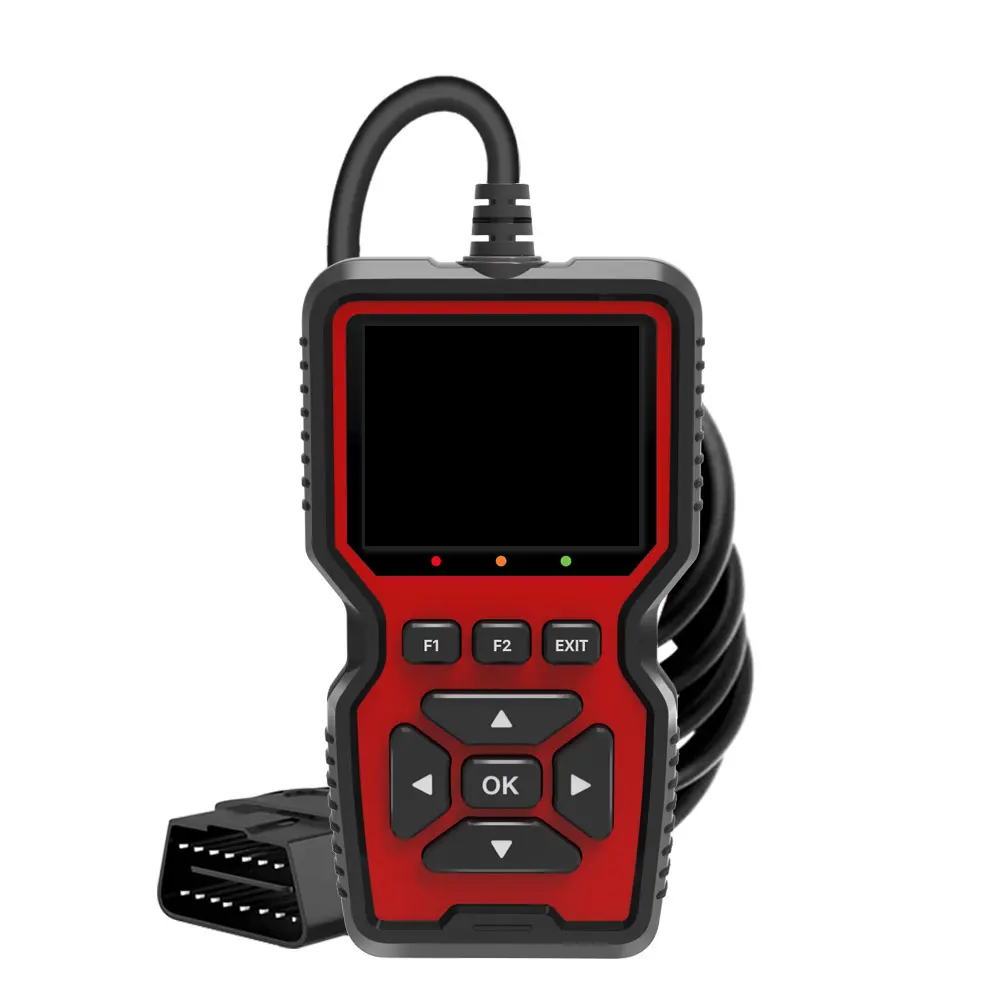
A systematic diagnostic approach is essential for P1707, utilizing an OBD-II scan tool and a Digital Multimeter (DMM).
- Retrieve and Document DTCs and Freeze Frame Data: Connect a professional-grade OBD-II scan tool to retrieve P1707 and any other related or pending DTCs. Pay close attention to freeze frame data, which provides a snapshot of engine/vehicle conditions when the fault was first detected. This can offer critical clues. Clear the codes after documentation.
- Visual Inspection of Transfer Case System: Conduct a thorough visual inspection of the transfer case neutral position sensor, its electrical connector, and the entire wiring harness leading to the TCCM/PCM. Look for signs of physical damage, corrosion, abrasion, poor connections, or evidence of rodent damage. Ensure all ground straps are clean and secure.
- Consult Technical Service Bulletins (TSBs): Research manufacturer-specific TSBs or known issues related to P1707 or transfer case neutral indicator faults for the specific vehicle year, make, and model.
- Perform Transfer Case Neutral Position Sensor Test (using DMM):
- Locate the transfer case neutral position sensor. Consult the vehicle’s factory service manual for precise wiring diagrams, connector pinouts, and sensor specifications.
- With the ignition OFF and the sensor disconnected, measure the resistance across the sensor terminals. If it’s a simple switch, confirm continuity when manually shifted into neutral (if possible) and an open circuit when in other positions. If it’s a variable resistor, compare measured values to manufacturer specifications at different transfer case positions.
- Test the sensor’s wiring harness for continuity from the sensor connector back to the TCCM/PCM connector. Also, check for shorts to ground or shorts to voltage on the sensor signal wire.
- With the ignition ON, back-probe the sensor connector (do not disconnect) and verify proper reference voltage (typically 5V or 12V) and ground at the sensor. Observe the signal voltage change as the transfer case is manually shifted through its positions (if applicable and safe to do so).
- Scan Tool Live Data and Actuator Tests: Use a scan tool capable of communicating with the TCCM (if separate from PCM/TCM). Monitor live data parameters related to transfer case position, sensor inputs, and shift actuator status. Attempt to command transfer case shifts using the scan tool’s bi-directional controls and observe if the TCCM registers the neutral position correctly. Look for any discrepancies between commanded position and actual reported position.
- Mechanical Inspection of Transfer Case: If all electrical tests pass, mechanically inspect the transfer case for any physical obstructions, damage, or resistance to shifting that might prevent it from fully engaging the neutral position. Verify the proper function of the shift actuator (if electric).
Recommended Repairs and Solutions
The appropriate repair for P1707 is contingent upon the accurate identification of the root cause:
- Replace Transfer Case Neutral Position Sensor: If diagnostic tests confirm an internal fault within the sensor (e.g., incorrect resistance, open/short circuit, or no signal change), replace it with a new, OEM-quality sensor. Ensure proper seating and torque specifications during installation.
- Repair or Replace Wiring Harness: For damaged, corroded, or shorted wiring, perform precise repairs using appropriate gauge wire, automotive-grade connectors, and heat-shrink tubing for environmental protection. In cases of extensive damage, replacing the affected section of the wiring harness or the entire harness may be necessary.
- Replace Transfer Case Control Module (TCCM): If internal TCCM failure is definitively diagnosed (e.g., inability to communicate, incorrect processing of known-good sensor inputs, or erroneous outputs), the TCCM will require replacement. Be aware that some TCCMs may require programming or calibration by a dealer or specialized shop after installation.
- Repair Ground Connections: Clean and secure any corroded or loose ground points associated with the transfer case system, sensor, or TCCM. Apply dielectric grease to prevent future corrosion.
- Address Mechanical Transfer Case Issues: If internal transfer case binding, a faulty shift actuator, or other mechanical failures prevent the transfer case from reaching or registering the neutral position, mechanical repairs or replacement of the affected components (e.g., shift fork, actuator motor) will be necessary. This often involves significant labor and specialized tools.
Following any repair, clear all diagnostic trouble codes. Perform a comprehensive test drive, attempting to replicate the conditions under which the P1707 code initially set, to confirm the repair’s effectiveness and ensure no new or recurring codes appear.