What Does Code P1722 Mean?
DTC P1722 signifies “Gear 2 Incorrect Ratio.” This code is set by the Powertrain Control Module (PCM) or Transmission Control Module (TCM) when it detects a discrepancy between the expected gear ratio for 2nd gear and the actual observed gear ratio. The PCM/TCM continuously monitors the transmission input shaft speed (TIS) sensor and the transmission output shaft speed (TOS) sensor. When the transmission is commanded into 2nd gear, the control module calculates the actual gear ratio by dividing the TIS by the TOS. If this calculated ratio deviates significantly from the pre-programmed, calibrated specification for 2nd gear – often indicating excessive slip or a mechanical failure to engage properly – for a calibrated period, the P1722 code is stored, and the Malfunction Indicator Lamp (MIL) may illuminate. This typically points to an issue within the automatic transmission’s 2nd gear hydraulic circuit, clutch pack, band, or associated solenoids.
Common Symptoms
- Delayed or harsh 2nd gear engagement: A noticeable lag or jolt when the transmission attempts to shift into 2nd gear.
- Transmission slipping: Engine RPM may flare significantly without a corresponding increase in vehicle speed when the transmission is in or attempting to engage 2nd gear.
- Inability to shift into 2nd gear: The transmission may bypass 2nd gear entirely or default to a higher gear (limp mode).
- Reduced acceleration: Due to inefficient power transfer when the transmission is attempting to operate in 2nd gear.
- Illumination of the Check Engine Light (MIL): The primary indicator that a fault has been detected.
- Burnt transmission fluid smell: A strong, acrid odor, often accompanied by dark or discolored fluid, indicating excessive friction and heat generation from slipping clutches or bands.
What Causes the Code P1722?
- Internal Transmission Mechanical Failure: Worn, burnt, or damaged 2nd gear clutch pack, band, sprag clutch, or associated planetary gear components, leading to an inability to hold the correct ratio.
- Low or Contaminated Transmission Fluid: Insufficient fluid volume can lead to low hydraulic pressure, preventing proper clutch/band engagement. Contaminated fluid can reduce friction properties or cause valve body issues.
- Faulty Transmission Shift Solenoid(s): A malfunctioning shift solenoid responsible for commanding 2nd gear may not properly route hydraulic pressure, leading to delayed or incomplete engagement.
- Valve Body Malfunction: Sticking, worn, or damaged valves within the transmission valve body can prevent correct hydraulic pressure from reaching the 2nd gear clutch or band.
- Transmission Input/Output Speed Sensor Malfunction: Although less common for a specific “incorrect ratio” code, inaccurate readings from either the TIS or TOS sensor can cause the PCM/TCM to erroneously calculate the gear ratio.
- Wiring or Connector Issues: Open circuits, shorts, or poor connections in the wiring harness to shift solenoids, speed sensors, or the TCM/PCM can disrupt signals or power.
- PCM/TCM Internal Failure: While rare, an internal fault within the control module itself could lead to misinterpretation of sensor data or improper solenoid command.
How to Diagnose and Troubleshoot
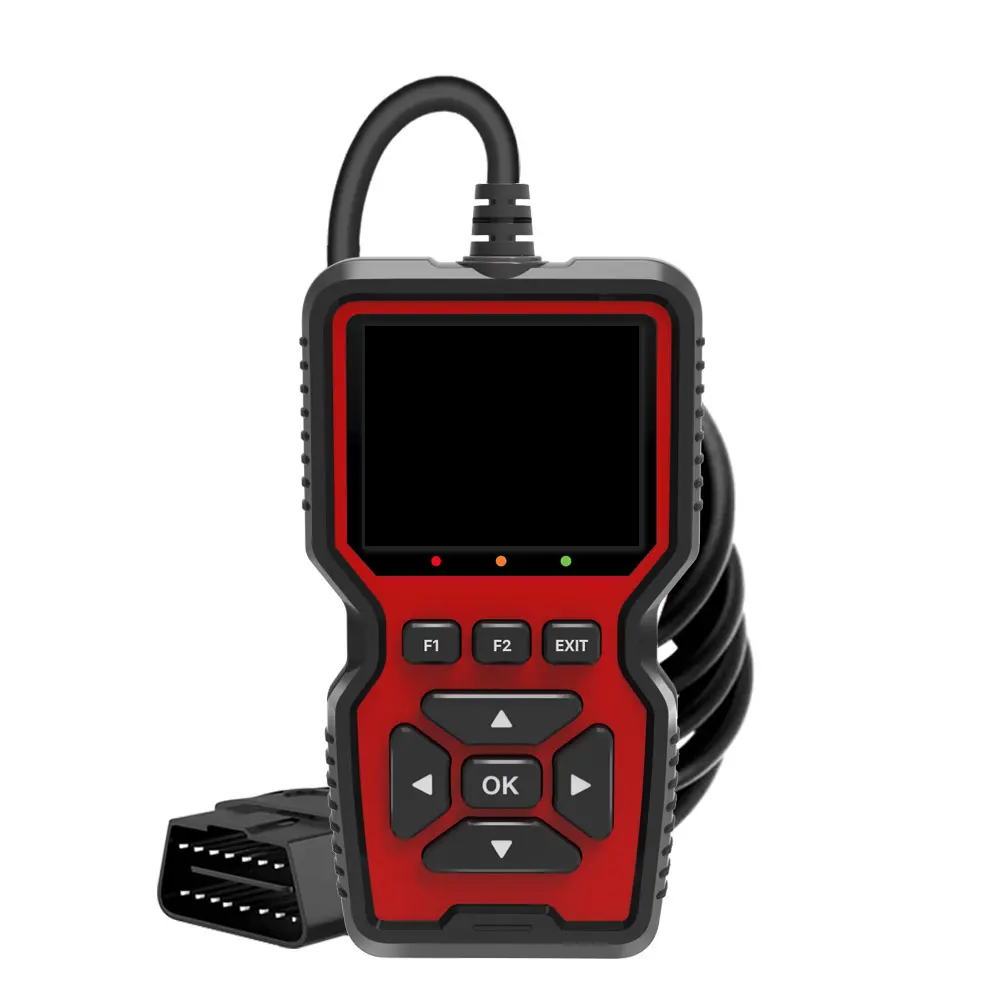
Diagnosing P1722 requires a systematic approach, often utilizing an advanced diagnostic scan tool and a Digital Multimeter (DMM).
- Initial Inspection and Fluid Check:
- Begin by visually inspecting the transmission fluid level using the manufacturer’s specified procedure. Note the fluid’s condition: color (should be reddish-pink, not dark brown or black), smell (burnt odor indicates significant internal friction), and presence of metallic debris (indicates hard part wear) or clutch material (fine, dark particles).
- Inspect the transmission wiring harness and all connectors for visible damage, fraying, corrosion, or loose terminals, especially those leading to the transmission case.
- OBD-II Scan Tool Diagnostics:
- Connect an advanced scan tool. Retrieve all stored DTCs, paying close attention to any related transmission codes (e.g., speed sensor codes, solenoid performance codes, or other gear ratio errors).
- Access live data streams. Monitor key parameters such as Transmission Input Speed (TIS), Transmission Output Speed (TOS), Transmission Fluid Temperature (TFT), commanded gear, and actual gear.
- Perform a road test, if safe and possible. Observe the TIS and TOS readings carefully when the transmission is commanded into 2nd gear. Calculate the actual gear ratio (TIS RPM / TOS RPM) and compare it against the vehicle manufacturer’s specified 2nd gear ratio. A significant deviation or continuous slipping indicates an internal mechanical issue.
- If available, use the bi-directional control feature of the scan tool to command 2nd gear engagement and observe the transmission’s response and sensor readings.
- Electrical Component Testing (DMM):
- With the battery disconnected, locate the transmission’s 2nd gear shift solenoid (refer to the vehicle’s service manual for exact location and pinouts).
- Test the resistance of the solenoid using a DMM. Compare the reading to the manufacturer’s specifications. An open circuit (infinite resistance) or a short circuit (near zero resistance) indicates a faulty solenoid.
- Perform continuity and resistance checks on the wiring harness circuits leading to the 2nd gear shift solenoid and the TIS/TOS sensors from the TCM/PCM connector. Look for opens, shorts to ground/power, or excessive resistance.
- While dynamic testing of speed sensors typically requires an oscilloscope, static resistance checks can sometimes indicate a failed sensor (again, refer to service manual specifications).
- Hydraulic Pressure Testing:
- If external electrical components test good and symptoms persist, a hydraulic pressure test may be necessary. This requires specialized gauges and access points on the transmission. Measure line pressure at idle, under load, and specifically during 2nd gear engagement. Low or fluctuating pressure can indicate a failing pump, internal leaks, or a faulty valve body.
- Valve Body Inspection:
- If all external diagnostics fail to pinpoint the issue, dropping the transmission pan and removing the valve body may be required. Inspect for sticking valves, excessive wear, or debris clogging internal passages relevant to 2nd gear operation.
Recommended Repairs and Solutions
The resolution for P1722 depends heavily on the root cause identified during diagnosis:
- Transmission Fluid and Filter Service: If the fluid is low, contaminated, or burnt, perform a complete transmission fluid and filter change. Ensure the correct type and quantity of fluid are used as per manufacturer specifications. This is a crucial first step for many transmission issues.
- Replace Faulty Solenoid(s): If diagnostic testing confirms a defective shift solenoid, replace it. In many cases, it is advisable to replace the entire shift solenoid pack, as other solenoids may be nearing the end of their service life.
- Repair Wiring/Connectors: Any identified open, short, or corroded circuits in the transmission’s wiring harness must be repaired or replaced to restore proper electrical communication.
- Valve Body Repair or Replacement: If a sticking valve, excessive wear, or internal contamination within the valve body is found, attempt to clean and free the valve or replace the entire valve body assembly.
- Internal Transmission Overhaul or Replacement: If live data monitoring and physical inspection indicate severe internal mechanical failure (e.g., excessively worn 2nd gear clutch pack, broken band, or damaged planetary gears), an internal transmission overhaul or complete transmission replacement is typically necessary. This is often the most costly repair.
- PCM/TCM Reprogramming or Replacement: In very rare cases, if all other components test good and no mechanical issues are found, a software update or replacement of the control module might be considered.
- Mechanic’s Tips:
- Always use OEM or equivalent quality replacement parts for critical transmission components.
- After performing internal transmission work, especially valve body or entire transmission replacement, a proper “fast learn” or “relearn” procedure using a capable scan tool is often required to calibrate the transmission to the vehicle.
- Thoroughly clean the transmission pan and visually inspect for debris during fluid/filter service. The type and quantity of debris can offer invaluable clues about the nature of internal wear.
- Verify correct fluid level meticulously after any transmission service, as both under-filling and over-filling can lead to severe transmission problems.