What Does Code P1721 Mean?
The diagnostic trouble code P1721 signifies an “Incorrect Ratio” detected for Gear 1 within the automatic transmission system. This code is primarily set by the Transmission Control Module (TCM), or in some integrated systems, the Powertrain Control Module (PCM). The module constantly monitors the rotational speed of the transmission’s input shaft (turbine speed sensor) and output shaft (output speed sensor). Based on these two sensor inputs, the TCM/PCM calculates the current gear ratio. When the vehicle is commanded into, or is expected to be in, first gear, and the calculated ratio deviates significantly from the manufacturer’s specified ratio for first gear, the P1721 code is triggered. This deviation indicates that the transmission is either experiencing excessive slippage within the first gear clutch pack, failing to engage first gear properly, or there is a rationality fault with one of the speed sensors providing inaccurate data. This condition directly impacts the transmission’s ability to efficiently transfer power from the engine to the drive wheels, potentially leading to performance degradation or internal component damage if not addressed.
Common Symptoms
- Check Engine Light (MIL) illumination on the dashboard.
- Transmission slipping, often noticeable as engine RPMs rising disproportionately without a corresponding increase in vehicle speed during initial acceleration from a stop.
- Delayed or harsh engagement when shifting into Drive or Reverse.
- Reduced acceleration or a feeling of “lack of power” when starting from a standstill.
- The transmission may enter a “limp mode” or “fail-safe mode,” often limiting it to a higher gear (e.g., 2nd or 3rd gear start only) to prevent further damage.
- Unusual noises such as grinding, whining, or clunking sounds emanating from the transmission, particularly during initial acceleration.
What Causes the Code P1721?
- Internal Transmission Mechanical Failure: This is a common root cause and can include worn or damaged 1st gear clutch packs (friction plates, steel plates, pressure plate), a faulty one-way clutch (sprag clutch) essential for 1st gear operation, or damaged planetary gear set components.
- Hydraulic System Issues: Insufficient transmission fluid level, contaminated or degraded transmission fluid, a faulty 1st gear apply solenoid, or a pressure control solenoid malfunctioning. A clogged transmission filter can also restrict fluid flow and lead to inadequate line pressure for proper clutch engagement.
- Valve Body Malfunction: Sticking valves, worn valve body bores, or general degradation within the valve body assembly can prevent the proper hydraulic pressure from being directed to the 1st gear clutch pack.
- Sensor or Electrical System Issues: A faulty input speed sensor (turbine speed sensor) or output speed sensor can send incorrect data to the TCM/PCM, leading to an erroneous ratio calculation. Damage to the wiring harness (frayed, shorted, open circuit) connected to these speed sensors or relevant solenoids, or poor electrical connections at the TCM/PCM or sensor connectors, can also be culprits.
- Transmission Control Module (TCM/PCM) Failure: While less common, a defective TCM/PCM can misinterpret sensor data, fail to command the correct gear, or inaccurately calculate the gear ratio, leading to the code being set.
How to Diagnose and Troubleshoot
Diagnosis of P1721 requires a systematic approach, combining visual inspection with advanced diagnostic tools:
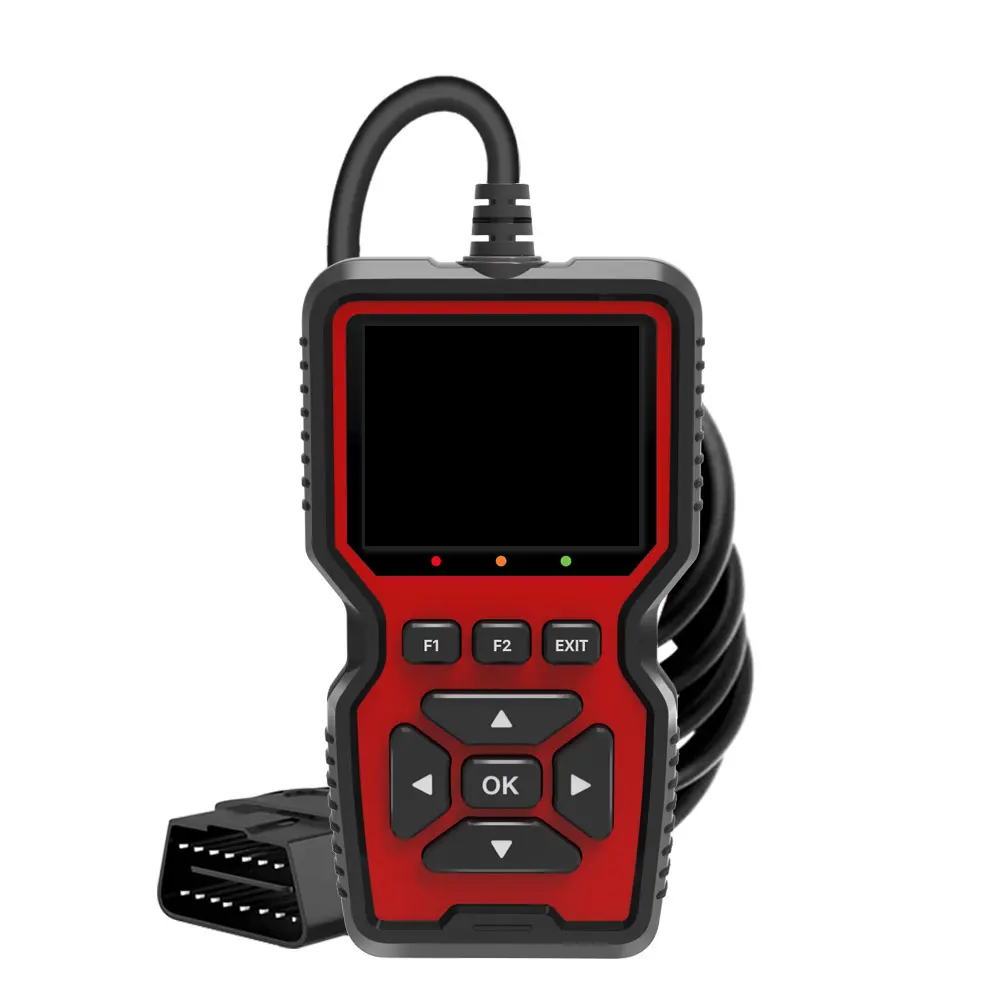
- Initial Scan and Data Analysis: Connect an OBD-II scanner and retrieve all active and pending Diagnostic Trouble Codes (DTCs), along with freeze frame data. The freeze frame data captures vital engine and transmission parameters at the exact moment the code was set, providing valuable contextual information. Clear the code and perform a road test, paying close attention to 1st gear engagement. During the road test, monitor live data streams for the Input Shaft Speed (ISS), Output Shaft Speed (OSS), commanded gear, actual gear, and transmission fluid temperature. Observe the relationship between ISS and OSS when the transmission is in 1st gear or attempting to engage it. A significant discrepancy where ISS rises rapidly without a corresponding OSS increase indicates severe slippage.
- Transmission Fluid Inspection: On a level surface, with the engine running and at operating temperature, check the transmission fluid level. Adjust as necessary. Inspect the fluid’s condition: it should be red and clear; a brown or black color, especially accompanied by a burnt odor, strongly suggests internal transmission overheating and clutch material degradation. The presence of metallic particles or clutch material debris in the fluid or on the dipstick indicates severe internal wear.
- Electrical System Checks:
- Visually inspect the wiring harnesses and electrical connectors for the input speed sensor, output speed sensor, and relevant shift solenoids. Look for signs of chafing, corrosion, damage, or loose connections.
- Using a Digital Multimeter (DMM), test the resistance and voltage outputs of the input and output speed sensors (refer to the vehicle’s service manual for specific values). If possible, use an oscilloscope to verify clean, accurate signal patterns from these sensors during a test drive.
- Check the continuity and resistance of the 1st gear apply solenoid and other pressure control solenoids, if accessible without transmission removal, comparing readings to manufacturer specifications.
- Hydraulic Pressure Tests (Advanced): If electrical checks are inconclusive and symptoms persist, a transmission hydraulic pressure test may be necessary. Using specialized gauges, measure line pressure and 1st gear apply pressure at designated test ports. Low or erratic pressures for 1st gear application would indicate issues with the transmission pump, valve body, or internal hydraulic leaks.
- Valve Body Inspection: If pressure tests are abnormal or if solenoid issues are suspected, dropping the transmission pan and removing the valve body allows for a visual inspection of valve bores for wear, sticking valves, or debris that could be impeding hydraulic flow.
Recommended Repairs and Solutions
The repairs for P1721 depend heavily on the identified root cause:
- Transmission Fluid and Filter Service: If the fluid level is low, top it off. If the fluid is burnt, contaminated, or discolored, perform a complete transmission fluid flush and filter replacement. Ensure to use the manufacturer-specified fluid type.
- Speed Sensor Replacement: If the input or output speed sensors are confirmed faulty through electrical testing, replace the affected sensor(s). Ensure proper seating and secure electrical connections.
- Wiring Harness Repair: Any damaged or corroded sections of the wiring harness or connectors leading to the sensors or solenoids should be professionally repaired or replaced.
- Valve Body Service or Replacement: If diagnostics point to a malfunctioning valve body (e.g., stuck valves, failed solenoids within the valve body assembly), it may require rebuilding with a specialized kit or complete replacement of the valve body unit.
- Internal Transmission Repair, Rebuild, or Replacement: If hydraulic pressure tests, fluid analysis (burnt fluid, excessive debris), or severe slippage confirms significant internal mechanical failure (e.g., worn clutch packs, damaged planetary gears, faulty one-way clutch), the transmission will need to be removed from the vehicle. Options include rebuilding the existing transmission, installing a remanufactured unit, or replacing it with a new transmission. This is typically the most extensive and costly repair.
- TCM/PCM Reprogramming or Replacement: Only consider replacing or reprogramming the Transmission Control Module (or PCM if integrated) after all other potential causes have been thoroughly diagnosed and ruled out. If replacement is necessary, ensure the new module is properly programmed to the vehicle’s VIN and specifications.
Mechanic’s Tips: Always begin with the least invasive diagnostic steps. Consult vehicle-specific Technical Service Bulletins (TSBs) as P1721 can sometimes be linked to known manufacturer issues or software updates. A “ratio incorrect” code often points to mechanical slippage or hydraulic problems rather than a simple sensor failure, though sensors should be ruled out early in the diagnostic process. After any transmission repair, it is crucial to clear learned adaptation values using a capable scan tool and perform a prescribed drive cycle to allow the TCM/PCM to relearn optimal shift strategies and clutch engagement points.