What Does Code P1784 Mean?
DTC P1784, which translates to “Transmission Mechanical Failure – First And Reverse,” indicates that the Powertrain Control Module (PCM) or Transmission Control Module (TCM) has detected an internal mechanical fault within the automatic transmission specifically affecting the engagement or operation of first gear and reverse gear. The TCM continuously monitors various parameters to determine the transmission’s operational state, including input shaft speed (ISS), output shaft speed (OSS), gear ratios, and hydraulic pressures. When the TCM commands a shift into first or reverse, or during operation in these gears, it expects a specific ratio between the ISS and OSS. If the observed gear ratio deviates significantly from the commanded or expected ratio for first and reverse, or if the transmission fails to achieve or maintain engagement in these gears, the TCM interprets this as a mechanical malfunction within the gear train, clutch packs, or bands responsible for these specific ratios. This discrepancy signals an inability of the transmission to perform its intended function for first and reverse, leading to the illumination of the Malfunction Indicator Lamp (MIL) and storage of P1784.
Common Symptoms
- Inability to engage first gear (from a stop in Drive) or reverse.
- Severe transmission slippage when attempting to accelerate from a stop or when reversing.
- Harsh engagement, delayed engagement, or clunking noises when selecting Drive (specifically 1st gear) or Reverse.
- Vehicle may be stuck in a higher gear or neutral, resulting in a “no-go” condition.
- Illumination of the Check Engine Light (CEL) or Malfunction Indicator Lamp (MIL).
- Reduced vehicle performance and drivability, especially during initial acceleration or maneuvering in reverse.
- Unusual grinding, whining, or rattling noises emanating from the transmission during attempts to engage or operate in first or reverse.
What Causes the Code P1784?
- Worn, Burnt, or Damaged First/Reverse Clutch Pack: The most prevalent cause, where friction material is severely degraded, leading to insufficient clamping force and slippage.
- Broken or Malfunctioning First/Reverse Band and/or Servo: If the transmission design utilizes a band for first or reverse, a broken band or a faulty servo that applies the band will prevent proper gear engagement.
- Internal Hydraulic Circuit Issues: Low line pressure specifically affecting the first/reverse circuit, possibly due to a worn oil pump, clogged passages within the valve body, or a faulty pressure regulator valve.
- Damaged Planetary Gear Set Components: Worn, chipped, or broken teeth on the sun gear, planet gears, or ring gear within the planetary set responsible for first and reverse ratios.
- Sticking or Worn Valve Body Component: A stuck, worn, or broken valve within the valve body specifically controlling the hydraulic flow to the first/reverse clutch or band circuit.
- Excessive Contamination or Degradation of Transmission Fluid: Severely degraded or contaminated fluid (e.g., metallic debris from internal wear) can reduce friction capabilities, clog internal passages, and accelerate component wear.
How to Diagnose and Troubleshoot
Diagnosis of P1784 requires a systematic approach focusing on the transmission’s internal mechanical and hydraulic integrity.
- Initial Inspection and Fluid Analysis:
- Visually inspect the transmission for external leaks or physical damage.
- Check the transmission fluid level accurately according to manufacturer specifications (hot or cold, engine running or off, depending on vehicle design).
- Examine the fluid condition: Note any burnt smell (indicating excessive heat and friction material wear), dark discoloration, or presence of metallic particles or clutch material visible in the fluid or on the dipstick. Burnt fluid or excessive debris are strong indicators of severe internal mechanical wear.
- OBD-II Scanner Live Data Analysis:
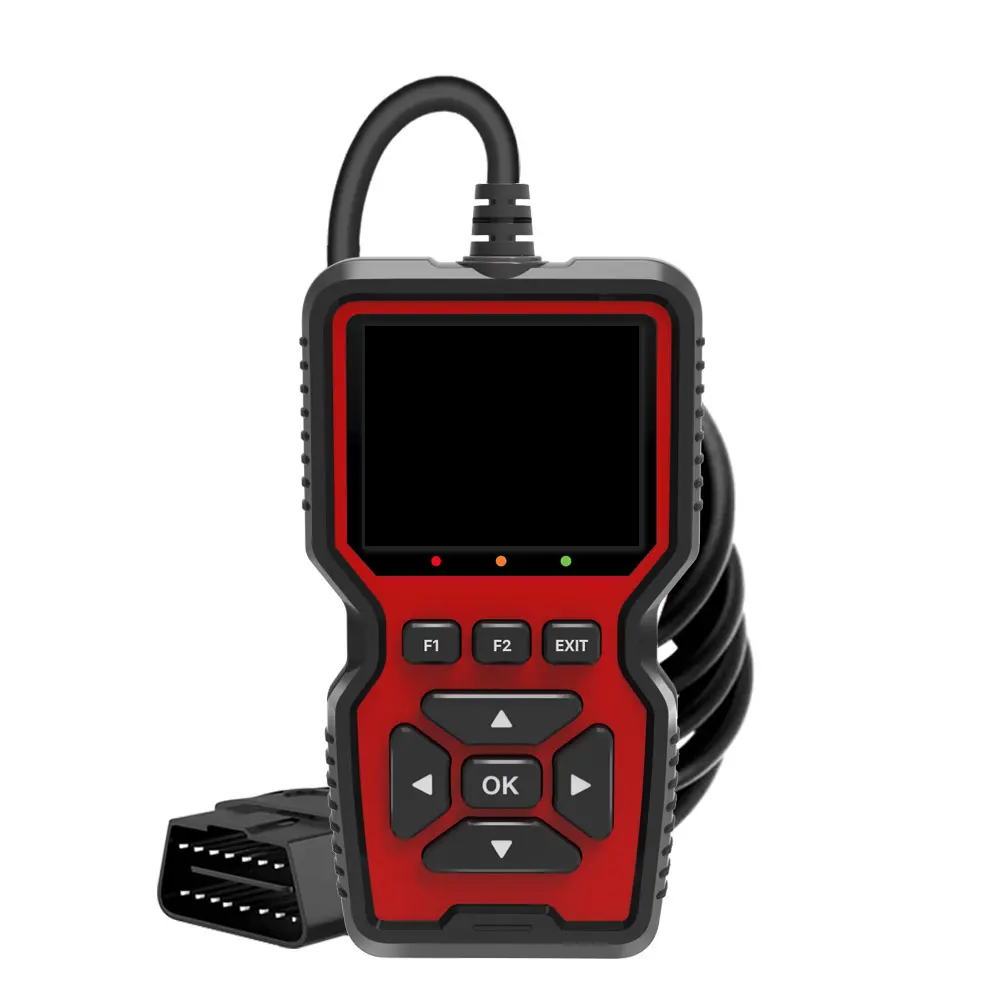
- Connect an advanced OBD-II scanner capable of monitoring transmission control module (TCM) live data.
- Monitor Input Shaft Speed (ISS) and Output Shaft Speed (OSS) sensors. In Park or Neutral, ISS should reflect engine RPM, and OSS should be zero.
- Attempt to engage Drive (observing for 1st gear engagement) and Reverse. While doing so, observe ISS and OSS. A significant discrepancy where ISS increases but OSS remains static or very low, or shows excessive slip, indicates mechanical failure.
- If available, monitor commanded gear versus actual gear ratio. P1784 will typically show the TCM commanding 1st or Reverse, but the actual ratio will be incorrect or indicate neutral.
- Check for any co-existing DTCs, especially P07xx series codes related to shift solenoids, pressure control solenoids, or speed sensors. While P1784 points to mechanical, related electrical/hydraulic issues can contribute or precede mechanical failure.
- Transmission Fluid Pressure Test (Advanced Diagnostic):
- This requires specialized pressure gauges and knowledge of transmission hydraulic circuits. Access appropriate pressure ports on the transmission (if available).
- Test main line pressure in Park, Neutral, Drive (1st gear), and Reverse, comparing readings to manufacturer specifications. Low or absent pressure in specific ranges for first or reverse can indicate a faulty oil pump, severe internal leakage, or a sticking/worn valve in the valve body.
- Road Test (Use Caution):
- If the vehicle can move safely, perform a brief road test. Carefully attempt to accelerate from a stop to observe 1st gear engagement and slippage.
- Attempt to engage and reverse the vehicle. Note any delays, harshness, grinding, or complete lack of engagement. If severe slippage or unusual noises occur, discontinue the test to prevent further damage.
- Solenoid and Wiring Checks (Supporting Diagnostics):
- Although P1784 is primarily mechanical, confirm the electrical integrity of relevant shift solenoids. Use a DMM to check resistance and continuity of solenoids (if accessible) and their wiring harness. A faulty solenoid could lead to hydraulic pressure routing issues that eventually cause mechanical failure or mimic it.
Recommended Repairs and Solutions
Addressing a P1784 code typically involves significant internal transmission repair, as it points directly to mechanical failure:
- Transmission Overhaul or Replacement: Given the nature of “mechanical failure” within the first and reverse gear components, the most common and effective solution is either a complete transmission overhaul (rebuild) or replacement with a new or remanufactured transmission unit.
- During an overhaul, the transmission is disassembled, and all worn or damaged components related to first and reverse engagement (clutch packs, bands, planetary gears, seals, bushings, and potentially the valve body) are inspected and replaced.
- Replacing the entire transmission ensures all potential wear points are addressed and provides a higher level of reliability, especially if the original unit has high mileage or extensive internal damage.
- Valve Body Repair or Replacement: If diagnostics (particularly pressure tests or visual inspection during disassembly) indicate a faulty valve body (e.g., sticking valves, worn bores, or internal cracks), it must be repaired or replaced. While not directly a “mechanical failure” in the gear train, valve body issues can directly cause insufficient hydraulic pressure leading to clutch/band failure.
- Transmission Flush and Filter Replacement: Whenever internal transmission work is performed, a full transmission fluid flush and filter replacement are mandatory. This removes all contaminants from the system and ensures clean fluid circulates through the new or rebuilt components, preventing immediate re-contamination and ensuring proper operation.
- Torque Converter Inspection and Replacement: It is highly recommended to inspect and potentially replace the torque converter when performing major transmission repairs. A failing or contaminated torque converter can lead to recurring transmission issues or cause damage to the new/rebuilt unit.
- PCM/TCM Reprogramming or Relearn Procedures: After significant transmission repair or replacement, it may be necessary to perform a relearn procedure or reprogram the PCM/TCM to adapt to the new components and ensure optimal shift strategies and performance. Consult the vehicle’s service manual for specific procedures.
- Mechanics’ Tips:
- Always use the exact type of transmission fluid specified by the vehicle manufacturer. Incorrect fluid can lead to premature wear and performance issues.
- Thoroughly inspect all internal components for signs of wear, pitting, heat damage, or warpage, even if not directly implicated by the code, to ensure comprehensive repair.
- When replacing a transmission or performing extensive internal work, always flush the transmission cooler lines and the external cooler itself to remove any debris that could contaminate the new or rebuilt transmission.