What Does Code P1783 Mean?
DTC P1783 signifies that the Powertrain Control Module (PCM) or Transmission Control Module (TCM), depending on vehicle architecture, has detected an excessive transmission fluid temperature condition. The automatic transmission’s fluid temperature (TFT) sensor, typically an NTC (Negative Temperature Coefficient) thermistor, provides real-time temperature data to the control module. The PCM/TCM continuously monitors this input against a manufacturer-calibrated threshold, which typically ranges from 250°F (121°C) to 275°F (135°C), although specific values vary by vehicle application. When the TFT exceeds this predetermined maximum for a specific duration, indicating an overstressed cooling system or internal heat generation, the PCM/TCM registers P1783. This condition is critical as elevated temperatures rapidly degrade automatic transmission fluid (ATF), leading to reduced lubrication, impaired hydraulic function, seal damage, and accelerated wear of internal clutches and bands. To mitigate potential damage, the control module may activate protective strategies such as altering shift schedules, disengaging the torque converter clutch (TCC), commanding increased cooling fan speed (if equipped), or initiating a “limp-home” mode to limit power output and prevent further temperature escalation. The subsystem primarily affected is the automatic transmission and its cooling circuit.
Common Symptoms
- Illuminated Malfunction Indicator Lamp (MIL) or a dedicated transmission warning light on the instrument cluster.
- Transmission slipping, harsh or delayed shifts, or difficulty engaging gears.
- Reduced vehicle performance or “limp-home” mode activation.
- Burning odor emanating from the transmission area, indicative of overheated or degraded ATF.
- Visible transmission fluid leaks due to seals expanding and failing under excessive heat.
- Dark brown or black transmission fluid with a burnt smell when inspecting the dipstick (if applicable).
- Abnormal noises from the transmission, such as whining or grinding, especially under load.
What Causes the Code P1783?
- Insufficient Transmission Fluid Level: A low fluid level reduces the volume available for heat dissipation and lubrication, leading to rapid overheating.
- Degraded or Incorrect Transmission Fluid: Old, contaminated, or improper type of ATF cannot effectively lubricate or transfer heat, contributing to elevated temperatures.
- Restricted Transmission Cooler or Lines: Blockages (e.g., debris, sludge) within the transmission cooler (often integrated into the radiator or a separate auxiliary unit) or its associated lines prevent proper fluid circulation and cooling.
- Faulty Transmission Fluid Temperature (TFT) Sensor: A sensor providing inaccurate, excessively high resistance readings or an internal short can falsely report an overtemperature condition.
- Internal Transmission Component Failure: Worn clutches, bands, a slipping torque converter clutch (TCC), faulty solenoids, or restricted internal fluid passages can generate excessive friction and heat.
- Overloading or Heavy Towing: Operating the vehicle beyond its rated towing or payload capacity places extreme stress on the transmission, leading to heat buildup.
- Failed Transmission Cooling Fan or Thermostat: If the vehicle is equipped with an active transmission cooling system (separate fan or thermostat), a malfunction can impede heat rejection.
- Wiring Harness or Connector Issues: Damaged, corroded, or intermittently open/shorted wiring in the TFT sensor circuit can send erroneous signals to the PCM/TCM.
How to Diagnose and Troubleshoot
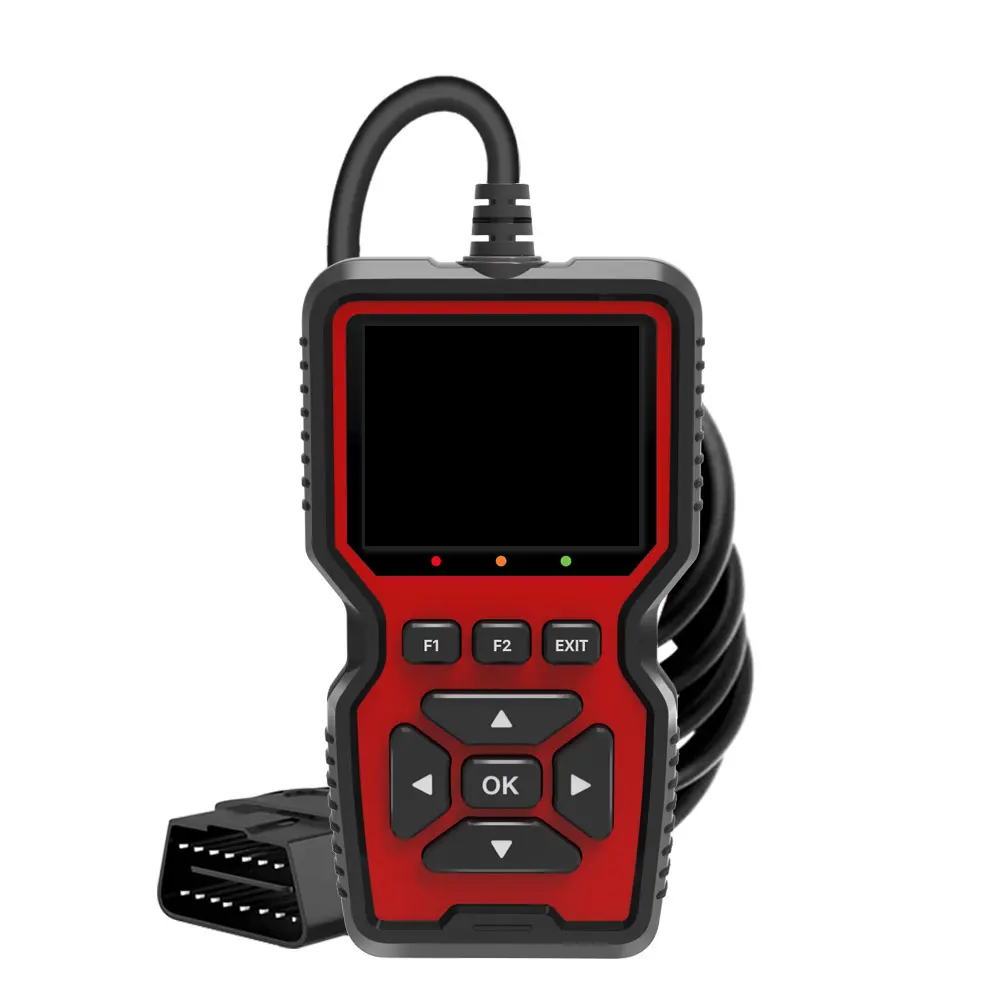
Diagnosis of P1783 requires a systematic approach leveraging an OBD-II scanner, a digital multimeter (DMM), and thorough visual inspection.
- Initial Scan and Freeze Frame Data Analysis: Connect an OBD-II scanner and retrieve all stored DTCs, especially P1783. Analyze the freeze frame data associated with P1783. Pay close attention to the Transmission Fluid Temperature (TFT) reading, vehicle speed, engine RPM, and load at the time the fault was set. This data provides crucial context regarding operating conditions.
- Transmission Fluid Inspection: With the engine at operating temperature and the vehicle on a level surface (refer to service manual for exact procedure, often in Park or Neutral), carefully check the transmission fluid level using the dipstick. Note the fluid’s color (should be reddish, not dark brown or black), smell (should not smell burnt), and consistency. Look for any metallic particles or excessive sludge.
- Visual Inspection of Cooling System and Wiring:
- Inspect the transmission cooler lines for kinks, damage, or leaks. Ensure all connections are secure.
- Examine the external transmission cooler (if present) or the radiator’s transmission cooling section for blockages (e.g., leaves, dirt) or bent fins that could restrict airflow.
- Locate the TFT sensor (often located in the transmission pan or on an external cooler line) and inspect its wiring harness and connector for signs of chafing, corrosion, or looseness.
- Check for external leaks around the transmission case, pan, and cooler lines.
- Transmission Fluid Temperature (TFT) Sensor Testing (DMM and Scanner):
- If the TFT sensor is externally accessible, disconnect its electrical connector. Using a DMM, measure the resistance across the sensor’s terminals. Compare this reading to the manufacturer’s specified resistance-to-temperature chart (found in the service manual). Most TFT sensors are NTC thermistors, meaning resistance decreases as temperature increases.
- Monitor live data from the TFT sensor via the OBD-II scanner. Observe the temperature reading with the engine cold, then allow it to warm up. The temperature should rise smoothly and plausibly. If the reading is erratic, stuck at an implausibly high temperature (e.g., maxing out), or remains at ambient temperature while the transmission is clearly warm, the sensor is likely faulty.
- Transmission Cooler Flow Test: If visual inspection of the cooler reveals no obvious issues, disconnect one of the transmission cooler lines (typically the return line) and temporarily route it into a clean container. Start the engine briefly and observe the fluid flow. A weak or intermittent flow indicates a restricted cooler or lines. Ensure proper fluid capture and safe handling.
- Road Test and Advanced Live Data Monitoring: Perform a controlled road test, monitoring live data parameters such as TFT, Torque Converter Clutch (TCC) slip, engine RPM, and gear command. Observe how quickly the TFT rises under load. Excessive TCC slip or failure of the TCC to lock up can generate significant heat. Note any abnormal shift patterns, hesitation, or noises during the test.
- Internal Transmission Inspection (if external diagnostics are inconclusive): If all external checks prove inconclusive and symptoms persist, draining the ATF and removing the transmission pan may be necessary to inspect for significant clutch material debris, metal shavings, or solenoid issues.
Recommended Repairs and Solutions
Addressing DTC P1783 typically involves rectifying the underlying cause of the overtemperature condition:
- Correct Transmission Fluid Level and Condition: If the fluid is low, top it off with the manufacturer-specified type (e.g., Dexron, Mercon, ATF+4) and repair any leaks. If the fluid is burnt or excessively degraded, perform a complete transmission fluid and filter change. Never use a universal ATF unless explicitly specified by the manufacturer.
- Replace Faulty TFT Sensor: If diagnostic testing indicates an inaccurate or failed TFT sensor, replace it with an OEM-quality equivalent.
- Clear or Replace Restricted Transmission Cooler/Lines: If a blockage is identified in the cooler or lines, attempt to flush them thoroughly. If flushing is unsuccessful or the cooler is significantly damaged, replacement is necessary. For vehicles frequently used for heavy towing or demanding applications, consider upgrading to an auxiliary heavy-duty transmission cooler.
- Repair Internal Transmission Components: If internal issues such as worn clutches, a slipping torque converter, or faulty solenoids are diagnosed, a transmission overhaul or replacement may be required. This is a significant repair that should be performed by a qualified transmission specialist.
- Address Overloading Habits: Advise vehicle owners about the importance of adhering to the vehicle’s rated towing and payload capacities to prevent future overtemperature conditions.
- Repair Cooling Fan or Thermostat: If the vehicle’s active transmission cooling system is at fault, replace the defective fan motor, fan assembly, or thermostat.
- Repair Wiring Harness: Repair any damaged, corroded, or shorted wiring and connectors leading to the TFT sensor or other transmission components. Ensure secure connections.
- PCM/TCM Replacement or Reprogramming: In rare cases, if all other components are verified to be functioning correctly and no other issues are present, a defective PCM/TCM could be the cause. This should only be considered after exhaustive troubleshooting of all other possibilities.
- Post-Repair Verification: After any repair, clear the DTCs and perform an extended road test, closely monitoring the TFT via live data, to confirm that the temperature remains within specified operating ranges and that the P1783 code does not return.