What Does Code P1787 Mean?
Diagnostic Trouble Code P1787 signifies a “2-1 Downshift Error” within the automatic transmission control system. This code is typically set by the Transmission Control Module (TCM) or Powertrain Control Module (PCM), which monitors and manages all aspects of transmission operation. Specifically, P1787 indicates that the module has detected an anomaly during the commanded downshift event from second gear to first gear. The TCM/PCM utilizes various inputs, including vehicle speed sensors (input and output shaft speeds), throttle position, engine RPM, and selector lever position, to determine the appropriate gear ratio and command shifts through a series of electronically controlled shift solenoids. When a P1787 code is set, it means the TCM/PCM has observed that the actual gear ratio, as calculated from the input and output shaft speeds, does not match the commanded gear ratio during a 2-1 downshift, or that the downshift did not occur within the expected time frame or with the expected hydraulic pressure response. This discrepancy often points to an electrical or hydraulic issue preventing the smooth and accurate engagement of first gear from second.
Common Symptoms
- Harsh or Delayed Downshift: A noticeable jolt or extended pause when the transmission attempts to shift from 2nd to 1st gear.
- Transmission Slipping: The engine RPM may flare without corresponding vehicle acceleration during the downshift.
- Transmission Limp Mode: The vehicle’s transmission may default to a single gear (e.g., 2nd or 3rd) to prevent further damage, severely limiting performance.
- Illuminated Malfunction Indicator Lamp (MIL): The “Check Engine” light will be illuminated on the dashboard.
- Erratic Shifting: The transmission may hesitate, shift unexpectedly, or struggle to find the correct gear, particularly at lower speeds or when coming to a stop.
- Reduced Fuel Economy: Inefficient shifting can lead to higher engine loads and increased fuel consumption.
What Causes the Code P1787?
- Faulty 2-1 Shift Solenoid: The primary suspect, often a sticking, electrically open, or shorted solenoid responsible for controlling the hydraulic fluid flow to engage 1st gear during a downshift from 2nd.
- Internal Transmission Mechanical Failure: Worn clutch packs, bands, or other friction elements preventing proper gear engagement for the 2-1 downshift.
- Valve Body Malfunction: Sticking valves, worn bores, or debris within the valve body preventing correct hydraulic pressure routing for the 2-1 shift.
- Wiring Harness Issues: Open circuits, short circuits, or high resistance in the wiring connecting the shift solenoid to the TCM/PCM. This includes damaged connectors or corrosion.
- Low or Contaminated Transmission Fluid: Insufficient fluid pressure or incorrect fluid properties can impair shift solenoid operation and clutch engagement.
- Faulty Input or Output Speed Sensors: Inaccurate speed readings can lead the TCM/PCM to incorrectly calculate gear ratios or misinterpret shift events, triggering the code.
- TCM/PCM Internal Failure: While less common, an internal fault within the transmission control module or powertrain control module itself can lead to incorrect shift commands or misinterpretation of feedback.
How to Diagnose and Troubleshoot
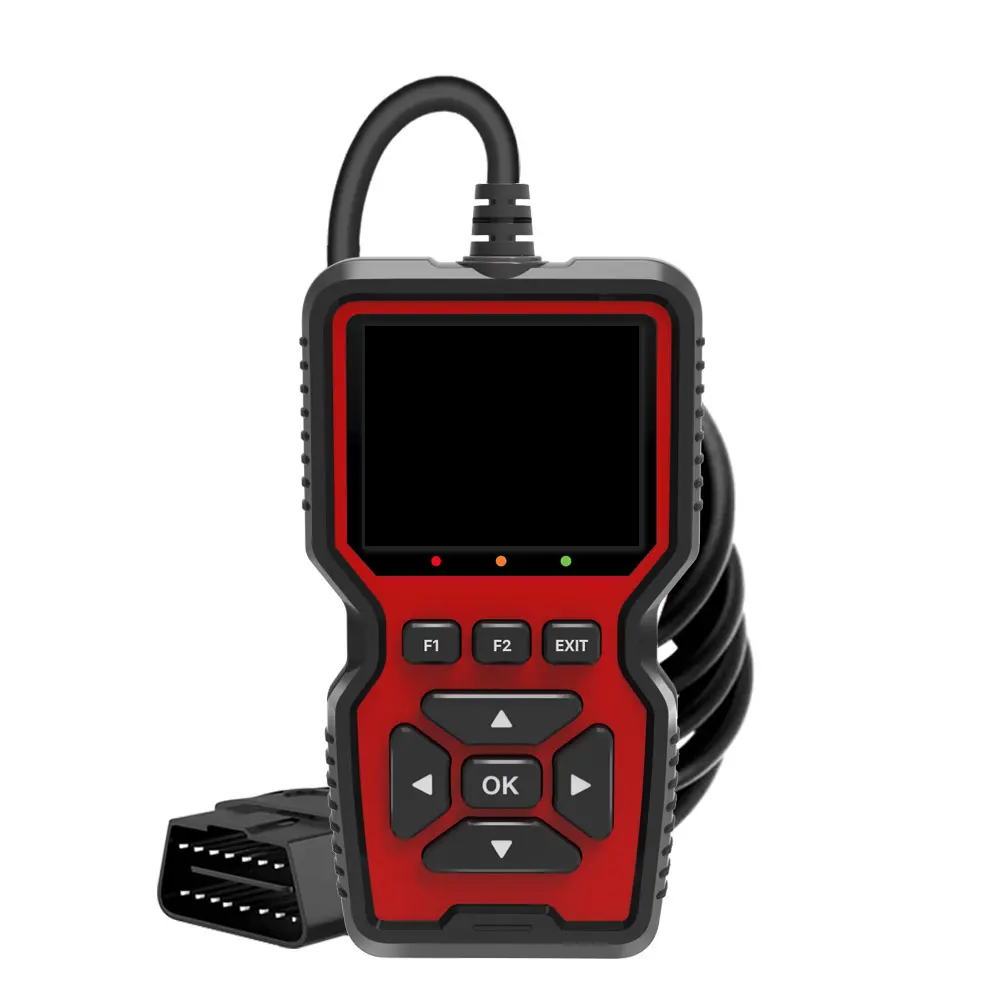
Diagnosis of P1787 requires a systematic approach, often utilizing an advanced OBD-II scan tool and a digital multimeter (DMM).
- Retrieve and Document Freeze Frame Data: Connect an OBD-II scan tool and retrieve the P1787 code along with any associated freeze frame data. This data captures the engine speed, vehicle speed, and other parameters at the moment the code was set, providing valuable clues. Check for other related transmission codes.
- Inspect Transmission Fluid: Verify the transmission fluid level is correct according to manufacturer specifications (hot or cold, engine running or off, as required). Note the fluid’s condition: inspect for burnt smell, dark discoloration, or metallic particles, which indicate internal wear.
- Visual Inspection of Wiring and Connectors: Carefully inspect the wiring harness leading to the transmission, focusing on the connectors for the shift solenoids and speed sensors. Look for signs of chafing, corrosion, loose connections, or physical damage. Pay particular attention to areas near exhaust components or sharp edges.
- Electrical Testing of Shift Solenoid (DMM):
- Locate the 2-1 shift solenoid (refer to service manual for specific solenoid identification). This may require dropping the transmission pan and valve body.
- With the ignition off, disconnect the electrical connector to the solenoid.
- Using a DMM, measure the resistance across the solenoid terminals. Compare this reading to the manufacturer’s specifications (typically 10-25 ohms). An open circuit (infinite resistance) or a short circuit (near zero resistance) indicates a faulty solenoid.
- Test for continuity and resistance in the solenoid’s control circuit wiring from the TCM/PCM connector to the solenoid connector. Check for shorts to ground or power.
- With the engine running (if safe and accessible), and the solenoid connected, measure the voltage supply to the solenoid circuit when commanded by the TCM/PCM using a scope or DMM (if applicable for duty cycle signals).
- Input/Output Speed Sensor Verification:
- Using a scan tool, monitor live data for transmission input speed (TSS) and output speed (OSS) while driving or with the drive wheels lifted safely (if appropriate).
- Compare these speeds for proper correlation and smooth readings. Erratic or absent readings can cause shift errors.
- Test the sensor circuits for proper voltage supply and signal integrity with a DMM or oscilloscope.
- Advanced Scan Tool Diagnostics (Bi-directional Control):
- If available, use a professional scan tool with bi-directional control capabilities. Command the 2-1 shift solenoid (or relevant solenoid) ON and OFF while monitoring live data for its state and current draw. Listen for an audible click from the solenoid if possible.
- Perform transmission adaptation/relearn procedures if available, as a faulty solenoid or valve body can disrupt learned shift parameters.
- Hydraulic Pressure Testing: If electrical components test good and symptoms persist, an internal hydraulic issue is likely. This involves connecting pressure gauges to specific test ports on the transmission to measure line pressure and specific clutch pressures during shift events. This typically requires specialized tools and expertise.
Recommended Repairs and Solutions
Once the root cause of P1787 has been identified through thorough diagnosis, the following repairs are typically recommended:
- Replace the Faulty Shift Solenoid: This is the most common resolution. Ensure you identify the correct solenoid responsible for the 2-1 downshift (often denoted as Shift Solenoid “A” or “B” depending on manufacturer, or a specific numbering). In many modern transmissions, shift solenoids are part of an integrated solenoid pack or valve body assembly, which may require replacement of the entire unit.
- Repair or Replace Damaged Wiring: If wiring harness damage, corroded connectors, or open/short circuits are found, perform precise repairs using appropriate connectors, terminals, and soldering techniques. Ensure proper insulation and strain relief.
- Transmission Fluid Service: If the fluid is low or contaminated, perform a complete transmission fluid drain and fill, ensuring the use of the correct OEM-specified fluid type. In some cases, a filter replacement is also advisable. Note that a fluid change alone will not fix a mechanically or electrically faulty component but is good preventative maintenance.
- Replace Valve Body: If diagnostic steps indicate sticking valves, worn bores, or other internal issues within the valve body, it may need to be replaced. Some valve bodies can be professionally rebuilt, but replacement is often more efficient.
- Replace Input/Output Speed Sensors: If the speed sensors are determined to be faulty and providing incorrect data, replace them with OEM-quality units.
- TCM/PCM Reprogramming or Replacement: If all other components are verified to be functional and manufacturer technical service bulletins (TSBs) point to a known software issue, reprogramming the TCM/PCM may be necessary. In rare cases where the module itself has failed, replacement and subsequent programming will be required.
- Internal Transmission Overhaul or Replacement: If severe internal mechanical damage, such as worn clutch packs, planetary gears, or bands, is diagnosed, the transmission will require a complete overhaul or replacement. This is typically the most expensive repair.
- Post-Repair Procedures: After any repair, clear the diagnostic trouble codes from the TCM/PCM. Perform a transmission relearn or adaptation procedure if specified by the manufacturer. Conduct an extended test drive under various operating conditions to confirm the repair and ensure the code does not return, paying close attention to the quality of the 2-1 downshift.