What Does Code P1788 Mean?
DTC P1788 indicates an Open Circuit condition detected in the circuit of the Pressure Control Solenoid “B” within an automatic transmission. The Powertrain Control Module (PCM) or Transmission Control Module (TCM), often integrated, is responsible for monitoring and controlling various transmission functions, including line pressure regulation. Pressure Control Solenoids (PCS) are electro-hydraulic actuators that vary the hydraulic pressure within the transmission to facilitate smooth gear changes, optimal clutch engagement, and efficient torque converter lock-up. An open circuit signifies that the control module detects an absence of electrical continuity or an infinitely high resistance in the solenoid’s specific circuit when it commands operation or expects a characteristic impedance. This means that current cannot flow to operate the solenoid, preventing the module from effectively controlling the hydraulic pressure associated with PCS “B”. The “B” designation typically refers to a specific solenoid within the transmission’s valve body, often responsible for regulating pressure for particular gear sets or clutch packs, or a specific pressure circuit like reverse or 2nd gear apply.
Common Symptoms
- Harsh or Erratic Shifting: Transmission may experience hard upshifts or downshifts due to uncontrolled line pressure.
- Delayed Gear Engagement: A noticeable lag when shifting into Drive (D) or Reverse (R).
- Transmission Slipping: The engine RPM may rise without a corresponding increase in vehicle speed, indicating clutch pack slippage.
- Transmission Overheating: Increased friction from slipping clutches can generate excessive heat.
- Transmission Entering “Limp Home” Mode: The control module may force the transmission into a default, typically higher, gear (e.g., 2nd or 3rd) to prevent further damage.
- Illuminated Malfunction Indicator Lamp (MIL): The Check Engine Light will be illuminated.
- Increased Fuel Consumption: Inefficient transmission operation and potential limp mode can lead to reduced fuel economy.
- Lack of Torque Converter Lock-up: The torque converter may not engage, leading to higher engine RPM at cruising speeds.
What Causes the Code P1788?
- Faulty Pressure Control Solenoid “B”: An internal electrical break, short, or excessively high resistance within the solenoid coil itself.
- Wiring Harness Issues: An open circuit (chafed, cut, corroded, or broken wire) in the power or ground circuit leading to the Pressure Control Solenoid “B” from the TCM/PCM.
- Poor Electrical Connection: Loose, corroded, or bent pins at the solenoid connector, the main transmission harness connector, or the TCM/PCM connector.
- Internal Transmission Wiring Harness Failure: An open circuit or damage within the wiring harness situated inside the transmission, connecting the solenoids to the main transmission connector.
- Damaged Transmission Control Module (TCM) / Powertrain Control Module (PCM): While less common, an internal fault within the control module’s driver circuit for Pressure Control Solenoid “B” can cause this code.
How to Diagnose and Troubleshoot
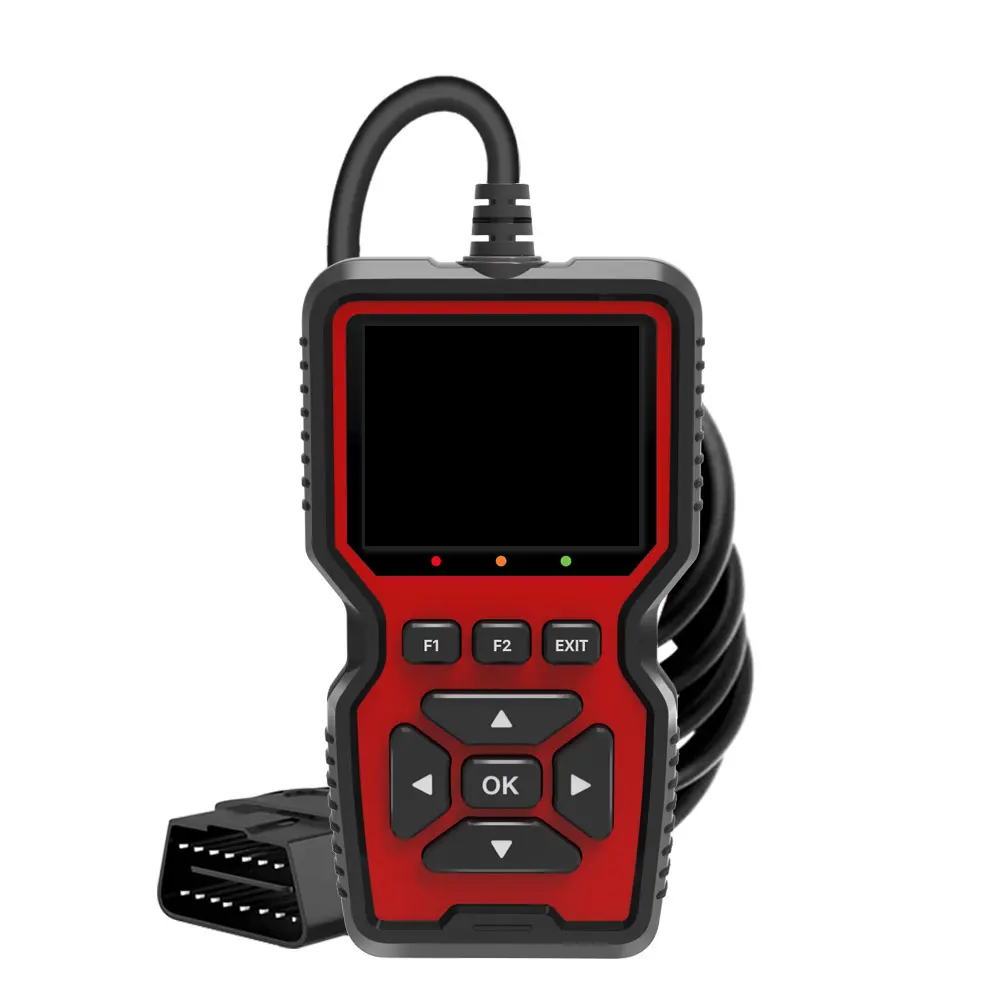
Diagnosis of P1788 requires systematic electrical testing and often involves a Digital Multimeter (DMM) and a capable OBD-II scanner.
- Retrieve Freeze Frame Data: Use an OBD-II scanner to pull the P1788 code and any associated freeze frame data. This data provides the operating conditions (engine RPM, vehicle speed, engine load, transmission temperature) at the moment the code was set, which can offer valuable context. Clear the code and attempt a road test (if safe) to see if the code immediately returns.
- Visual Inspection:
- Inspect the external transmission wiring harness for any signs of physical damage, chafing, cuts, or corrosion. Pay close attention to areas where the harness might rub against engine components or the vehicle chassis.
- Check the main transmission electrical connector for security, corrosion, or bent pins. Disconnect and re-connect it to ensure a solid connection.
- Verify transmission fluid level and condition. Low fluid or severely contaminated fluid, while not a direct cause of an open circuit, can contribute to transmission issues.
- Electrical Resistance Test of Solenoid “B” Circuit:
- Locate the transmission control module (TCM/PCM) and identify the pins corresponding to Pressure Control Solenoid “B” using the vehicle’s specific wiring diagram. Disconnect the TCM/PCM connector.
- Using a DMM set to ohms (Ω), measure the resistance across the two corresponding pins for Solenoid “B” at the TCM/PCM harness connector. Compare this reading to the manufacturer’s specified resistance range (typically 5-30 ohms, but varies significantly by vehicle and solenoid). An “OL” (open loop) or infinite resistance reading confirms an open circuit.
- If the resistance is within specification, the open circuit is likely intermittent or located directly at the solenoid or internal harness. If it reads “OL,” proceed to isolate the open.
- Continuity Test of Wiring Harness:
- With the TCM/PCM connector still disconnected, disconnect the main transmission harness connector.
- Using the DMM set to continuity (or ohms), test for continuity between the corresponding pins for Solenoid “B” at the TCM/PCM harness connector and the main transmission harness connector. There should be continuity (near 0 ohms) on both wires. An open circuit here indicates a fault in the external wiring.
- Next, check for continuity to ground on each wire of the solenoid circuit. There should be no continuity to ground (OL reading), indicating no short to ground.
- Internal Solenoid/Harness Test (if external checks pass):
- If the external wiring harness checks out, the problem likely lies within the transmission. This usually requires dropping the transmission pan and possibly the valve body assembly to access the Pressure Control Solenoid “B” and the internal wiring harness.
- Once accessible, visually inspect the internal harness for damage and measure the resistance of Pressure Control Solenoid “B” directly at its terminals. Compare to specifications. An open circuit here confirms a faulty solenoid.
- Voltage Check (if necessary):
- For some solenoid designs, checking the power supply to the solenoid circuit can be useful. With the ignition ON (engine OFF) and the transmission connector disconnected, probe the power supply pin for the solenoid circuit at the transmission harness connector. Expect to see battery voltage.
Recommended Repairs and Solutions
Once the source of the open circuit is identified, the appropriate repair can be made:
- Repair or Replace Wiring: If an open circuit is found in the external transmission wiring harness, the damaged section should be repaired using proper automotive wiring repair techniques (e.g., solder and heat shrink) or by replacing the entire harness segment if extensively damaged.
- Clean and Secure Connectors: If the issue is due to corrosion or a loose connection at any of the harness connectors (solenoid, transmission main, TCM/PCM), clean the terminals with electrical contact cleaner and ensure a tight, secure fit upon reassembly.
- Replace Pressure Control Solenoid “B”: This is a very common failure point for P1788. If the direct resistance test confirms an open circuit within the solenoid, it must be replaced. This typically involves draining the transmission fluid, removing the transmission pan, and unbolting the valve body to access and replace the specific solenoid. Always use new transmission pan gaskets and ensure correct torque specifications when reassembling.
- Replace Internal Transmission Wiring Harness: If the open circuit is identified within the transmission’s internal wiring harness, this harness should be replaced. This also requires dropping the pan and often the valve body.
- TCM/PCM Replacement: Only consider replacing the Transmission Control Module or Powertrain Control Module as a last resort, after all other components and wiring have been thoroughly tested and ruled out. If replacement is necessary, the new module will likely require programming or flashing to the vehicle’s specific VIN.
Mechanics’ Tips:
- Always consult the specific vehicle’s service manual for accurate wiring diagrams, solenoid identification (which solenoid is “B”), resistance specifications, and removal/installation procedures.
- When replacing transmission components, use OEM (Original Equipment Manufacturer) or high-quality aftermarket parts to ensure compatibility and longevity.
- After any transmission work, refill with the manufacturer-specified type and quantity of transmission fluid. Incorrect fluid or improper levels can lead to further transmission problems.
- After repairs, clear the DTCs with an OBD-II scanner and perform a transmission adaptive learning procedure if specified by the vehicle manufacturer. This allows the transmission to re-learn optimal shift points and pressures with the new component.