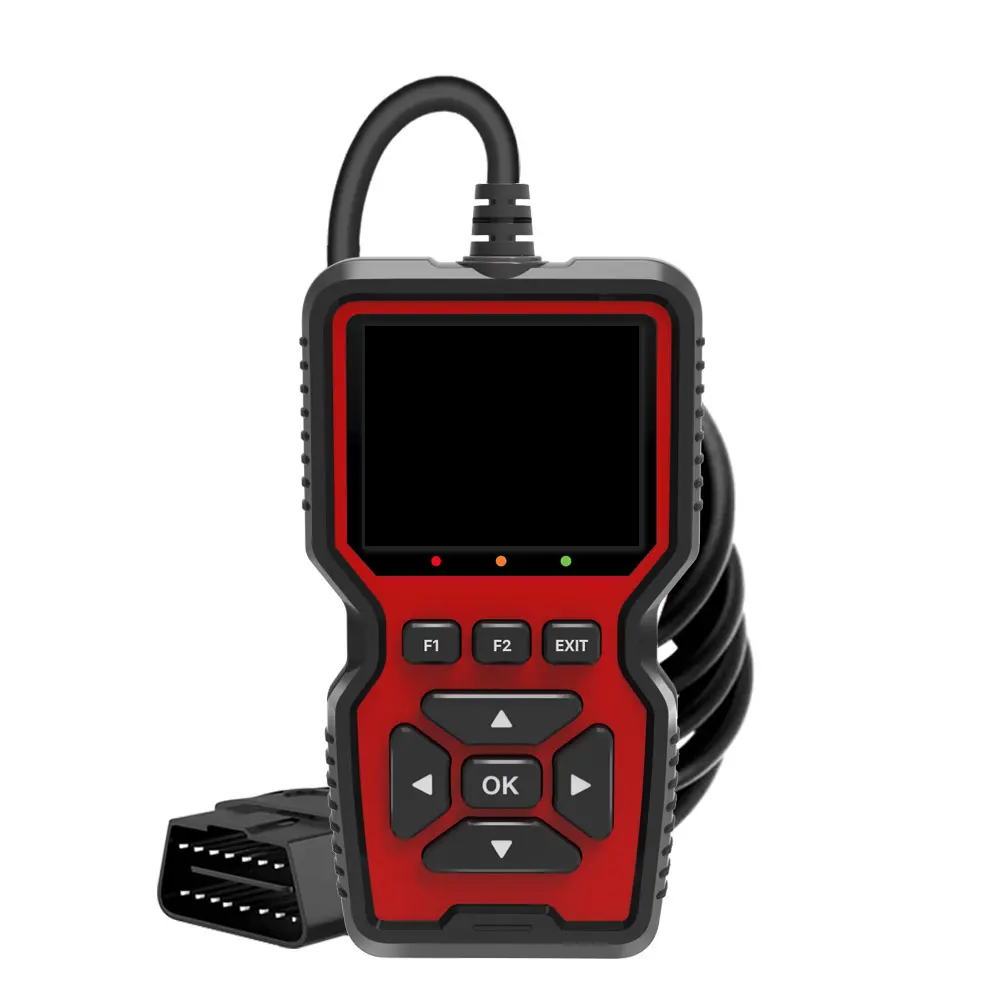
What Does Code P1833 Mean?
DTC P1833 signifies a detected “Transmission Transfer Case Differential Lock-Up Solenoid Open Circuit”. This code is set when the Powertrain Control Module (PCM) or Transmission Control Module (TCM) monitors the electrical circuit for the transfer case differential lock-up solenoid and detects a break in continuity or excessively high resistance, indicating an open circuit condition. The differential lock-up solenoid is an electronically controlled actuator responsible for engaging or disengaging the differential lock-up mechanism within the vehicle’s transfer case. This mechanism synchronizes the rotational speed of the front and rear drive shafts, providing maximum traction in specific driving conditions, such as off-road or severe low-traction situations. When an open circuit is present, the control module loses its ability to command the solenoid, preventing the differential lock-up from engaging or disengaging as intended. The PCM/TCM determines the open circuit condition by monitoring the voltage drop across the solenoid’s driver circuit and/or checking for expected current flow when the solenoid is commanded on or off.
Common Symptoms
- Inability to Engage or Disengage 4WD Differential Lock-Up: The primary symptom will be the system’s failure to perform its intended function.
- 4WD Warning Light Illumination: A dedicated 4WD system warning light or a general service engine soon light may illuminate on the dashboard.
- “Service 4WD System” Message: Many modern vehicles will display a specific warning message in the instrument cluster.
- Reduced Traction in Off-Road or Low-Traction Conditions: If the differential lock-up is needed but cannot engage, the vehicle may experience a lack of traction.
- Abnormal Noises from Transfer Case (Rare): In some cases, if a partial engagement attempt occurs without full lock-up, unusual noises might be present, though this is less common for an open circuit.
What Causes the Code P1833?
- Faulty Transfer Case Differential Lock-Up Solenoid: The most common cause is an internal electrical failure within the solenoid itself, resulting in an open circuit.
- Open Circuit in Wiring Harness: Damage to the wiring harness leading to the solenoid, such as a cut, fray, pinch, or corrosion, can interrupt the electrical path.
- Corroded or Damaged Electrical Connector: Corrosion on the terminals of the solenoid or harness connector can create high resistance or an intermittent/complete open circuit. Bent or pushed-out pins are also possible.
- Faulty Control Module (PCM/TCM): While less common, an internal fault within the PCM’s or TCM’s solenoid driver circuit can mimic an open circuit condition, failing to provide power or ground to the solenoid.
- Poor Ground Connection: An insufficient or compromised ground connection for the solenoid circuit can effectively create an open circuit condition from the perspective of the control module.
How to Diagnose and Troubleshoot
A systematic diagnostic approach is crucial for accurately identifying the root cause of P1833:
- Retrieve and Document Freeze Frame Data: Use an OBD-II scanner to confirm P1833 and check for any related transfer case or 4WD system codes. Note any freeze frame data, as it provides system parameters at the time the code was set, which can be valuable.
- Visual Inspection:
- Locate the transfer case differential lock-up solenoid (consult a service manual for exact location).
- Inspect the electrical connector for the solenoid: Look for signs of corrosion, bent pins, loose terminals, or any foreign material.
- Trace the wiring harness from the solenoid back to the PCM/TCM (as far as visually possible): Look for any signs of physical damage, chafing, cuts, pinches, or heat damage. Pay close attention to areas where the harness passes through frame components or comes into contact with moving parts.
- Solenoid Resistance Test:
- Disconnect the electrical connector from the differential lock-up solenoid.
- Using a Digital Multimeter (DMM) set to the Ohms (Ω) scale, measure the resistance across the two terminals of the solenoid itself.
- Compare the reading to the manufacturer’s specifications (typically found in the service manual, often ranging from 10-50 Ohms).
- An “OL” (Open Loop) reading, a reading significantly higher than specifications, or a reading of infinite resistance indicates an internal open circuit within the solenoid, confirming it is faulty.
- If the resistance is within specifications, the solenoid itself is likely functional, and the issue lies elsewhere in the circuit.
- Wiring Harness Voltage and Ground Check (Ignition ON, Engine OFF):
- With the solenoid connector still disconnected and the ignition ON (engine OFF), use the DMM set to Volts DC.
- Identify the power supply wire and the ground/control wire at the harness connector (consult the vehicle’s wiring diagram).
- Measure for battery voltage at the power supply wire relative to a known good chassis ground. If no voltage, trace the power supply circuit back to its source (fuse, relay, PCM/TCM).
- Measure for continuity between the ground/control wire and a known good chassis ground. There should be continuity when the circuit is inactive, or the PCM may control the ground side. If the PCM controls the ground, you might not see direct continuity without commanding the solenoid.
- Continuity Test of Harness to PCM/TCM:
- If the solenoid tests good and power/ground at the connector seem correct, turn the ignition OFF and disconnect the PCM/TCM connector.
- Using the DMM set to Ohms, perform a continuity test between the solenoid harness connector pins and the corresponding pins at the PCM/TCM connector (refer to wiring diagrams for pinouts).
- An “OL” reading indicates an open circuit in the wiring harness. Trace and repair any breaks in the wiring.
- Also, check for short circuits to ground or power in the harness.
Recommended Repairs and Solutions
Once the diagnostic process has pinpointed the specific fault, the following repairs are typically recommended:
- Replace the Transfer Case Differential Lock-Up Solenoid: If the solenoid itself tested faulty with an open circuit, replacement is necessary. Ensure to use an OEM or high-quality aftermarket part specific to your vehicle’s make and model.
- Repair or Replace Wiring Harness: If an open circuit is identified in the wiring, the damaged section should be professionally repaired. This involves cutting out the damaged segment, soldering in new wire, and sealing the splice with heat-shrink tubing to prevent future corrosion. If the damage is extensive or in multiple locations, replacing the entire sub-harness may be more practical.
- Clean or Replace Electrical Connectors: If corrosion or damage to the connector pins was the cause, thoroughly clean the pins with electrical contact cleaner and a small wire brush. Ensure all pins are straight and make solid contact. If the connector is severely damaged, it should be replaced.
- Address Grounding Issues: If a poor ground connection was identified, clean the ground point thoroughly and ensure a secure connection.
- PCM/TCM Replacement and Programming: Only consider replacing the PCM or TCM as a last resort, after confirming that the solenoid, wiring, and connectors are all functioning correctly. Module replacement often requires specialized programming and calibration by a dealership or a shop with appropriate diagnostic tools.
After any repair, clear the DTC P1833 using an OBD-II scanner. Perform a test drive, attempting to engage the differential lock-up function multiple times to ensure the system operates correctly and the code does not return.