What Does Code P1877 Mean?
DTC P1877 indicates a fault within the transmission transfer case 2-wheel drive (2WD) solenoid control circuit, specifically a short to battery voltage. This code is set when the Powertrain Control Module (PCM) or Transfer Case Control Module (TCCM) detects an abnormally high voltage, typically near battery voltage, on the control circuit for the 2WD engagement solenoid when the module expects a lower voltage (e.g., when the solenoid is commanded OFF or when its circuit should be open to ground). The 2WD solenoid is responsible for actuating the shift fork or clutch pack within the transfer case to engage or disengage 2-wheel drive mode. When a short to battery is present, the module loses effective control over this solenoid, as the circuit is constantly supplied with voltage, preventing proper operation and potentially causing unintended engagement or disengagement of drive modes.
Common Symptoms
- Service 4WD or Check Engine Light (CEL) illuminated on the instrument cluster.
- Inability to engage or disengage the 2-wheel drive mode or other 4WD modes.
- The transfer case may be stuck in a particular drive mode (e.g., continuously in 2WD, or unable to switch out of 4WD if commanded to 2WD).
- Unintended engagement or disengagement of 4WD, sometimes accompanied by clunking noises or a binding sensation during turns on hard surfaces.
- Reduced fuel economy if the vehicle is unintentionally operating in a 4WD mode.
What Causes the Code P1877?
- Damaged wiring harness: The most prevalent cause involves the wiring harness leading to the 2WD solenoid. Chafed, pinched, or melted insulation can allow the solenoid control wire to come into direct contact with a constant power wire or a part of the vehicle’s electrical system that is consistently at battery voltage.
- Corroded connectors or terminals: Water intrusion or exposure to harsh environmental conditions can lead to corrosion within the electrical connectors for the transfer case or the 2WD solenoid itself. This corrosion can create an unintended conductive path, effectively shorting the control circuit to a power source.
- Faulty 2WD solenoid: While less common for a direct “short to battery” (more often short to ground or open circuit), an internal defect within the solenoid itself could cause its control circuit to be inappropriately connected to its internal power feed or another high-voltage point.
- Transfer Case Control Module (TCCM) or Powertrain Control Module (PCM) failure: In rare instances, an internal fault within the control module responsible for the transfer case operation can cause it to incorrectly output battery voltage on the 2WD solenoid control circuit. This is typically a last resort diagnosis after ruling out external wiring and component issues.
How to Diagnose and Troubleshoot
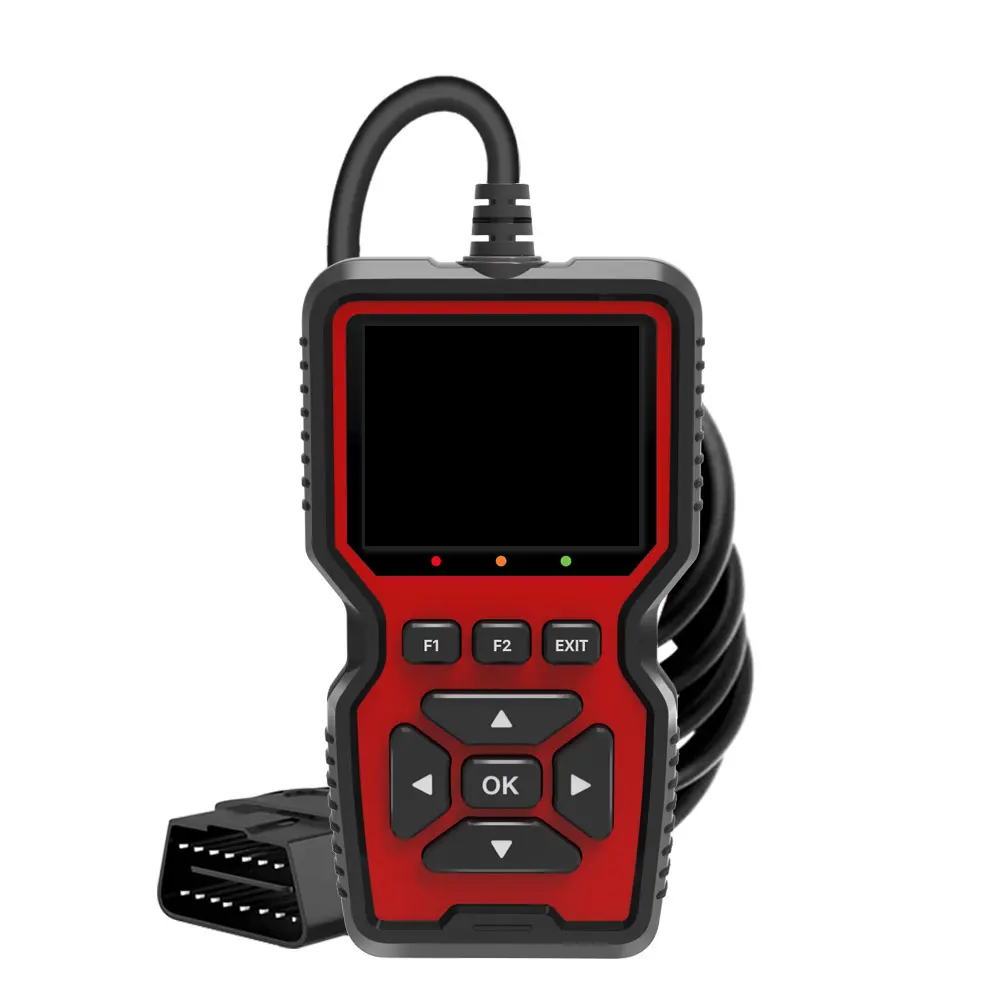
Diagnosis of P1877 requires meticulous inspection and electrical testing using a Digital Multimeter (DMM) and a capable OBD-II scan tool.
- Visual Inspection: Begin by thoroughly inspecting the wiring harness from the TCCM/PCM to the transfer case 2WD solenoid. Look for any signs of physical damage such as chafing, cuts, melting, or rodent damage. Pay close attention to areas where the harness passes through metal components or near exhaust systems. Check the integrity of all associated connectors for bent, pushed-out, or corroded pins.
- Scan Tool Data Analysis: Connect an advanced OBD-II scan tool and access the live data stream for the transfer case system. Monitor the commanded state and actual feedback voltage of the 2WD solenoid circuit. Observe if the voltage reads at or near battery voltage even when the solenoid is commanded OFF or when it should be at a lower potential. Check for any other related transfer case or communication DTCs.
- Circuit Integrity Test (Solenoid Disconnected):
- Disconnect the electrical connector at the 2WD solenoid.
- With the ignition ON (engine OFF), use a DMM to measure voltage between the solenoid’s control wire terminal (at the harness side connector) and a known good chassis ground. If the DMM reads battery voltage (e.g., 12.0V or higher), a short to battery is present in the wiring between the TCCM/PCM and the solenoid connector.
- If the short is confirmed in the wiring, proceed to isolate the short:
- Disconnect the TCCM/PCM connector that controls the 2WD solenoid.
- With both ends of the control wire disconnected, perform a resistance test between the solenoid control wire (harness side) and the positive battery terminal. An infinite resistance (OL) indicates no short. A low resistance reading (e.g., <100 ohms) confirms a direct short to battery voltage.
- Similarly, test between the control wire and various chassis power points to pinpoint the short.
- Solenoid Internal Resistance Test (Solenoid Disconnected):
- With the solenoid connector still disconnected, measure the resistance across the two terminals of the 2WD solenoid itself (component side). Compare this reading to the manufacturer’s specifications (typically a few ohms to tens of ohms). An open circuit (OL) or a resistance significantly outside the specified range indicates an internal fault in the solenoid.
- Additionally, measure resistance between each solenoid terminal and the solenoid’s metal body (if applicable) to check for an internal short to ground or case. This should show infinite resistance.
- Wiggle Test: With the scan tool monitoring live data, gently manipulate the wiring harness and connectors associated with the transfer case and 2WD solenoid. Observe if the voltage readings fluctuate or if the code intermittently appears or disappears, which can help pinpoint an intermittent short or poor connection.
Recommended Repairs and Solutions
Once the root cause of the P1877 code has been accurately diagnosed, implement the appropriate repair:
- Repair or Replace Damaged Wiring: If the diagnostic steps confirm a short to battery in the wiring harness, the damaged section of the wire must be repaired or replaced. Use high-quality, automotive-grade wire of the correct gauge, solder connections, and insulate with heat-shrink tubing. Ensure the repaired section is properly routed and secured to prevent future damage. If the damage is extensive or affects multiple wires, consider replacing the entire sub-harness.
- Clean or Replace Corroded Connectors: If corrosion at the connectors is identified as the cause, carefully clean the affected terminals using electrical contact cleaner and a small brush. For heavily corroded or damaged terminals, replacement of the connector or individual terminals may be necessary. Apply dielectric grease to the terminals upon reassembly to prevent future corrosion.
- Replace the 2WD Solenoid: If the solenoid itself is found to be internally shorted, it will need to be replaced. This usually involves draining the transfer case fluid and accessing the solenoid, which may be an external or internal component depending on the transfer case design. Always use an OEM-equivalent or genuine OEM replacement part.
- Replace Transfer Case Control Module (TCCM) or PCM: Only consider module replacement after all wiring and component tests definitively rule out external issues. TCCM/PCM replacement often requires programming or flashing with the vehicle’s specific software, which usually requires specialized equipment and expertise.
- Post-Repair Verification: After any repair, clear the DTCs using a scan tool. Perform several drive cycles, actively engaging and disengaging the 2WD system and monitoring live data, to confirm that the P1877 code does not return and that the transfer case operates correctly in all modes.