
Overview & Design Features
The Acura J32A4 is a variant of the renowned J-series engine family, developed by Honda. This naturally aspirated V6 engine, with a displacement of 3210 cubic centimeters (3.2 liters), is part of a lineage celebrated for its balance of power, refinement, and durability. As a key component of Acura’s performance offerings, the J32A4 embodies Honda’s engineering philosophy of high-revving, smooth power delivery within a compact architecture.
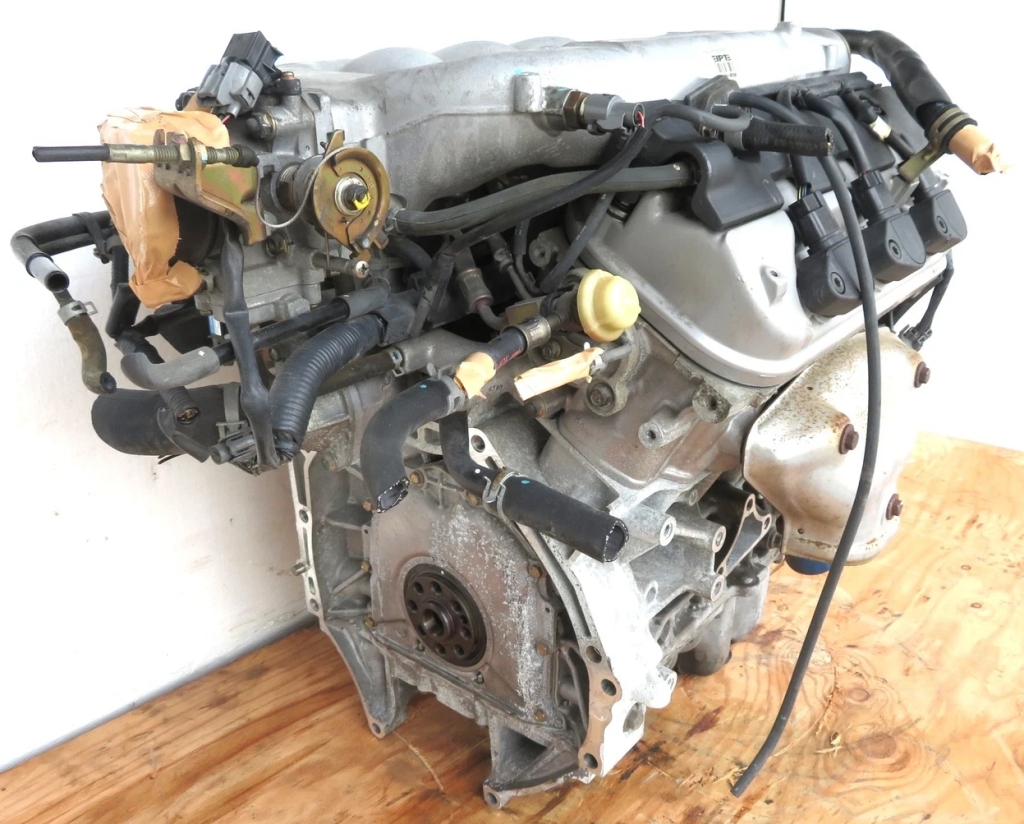
Engineered for optimal performance, the J32A4 features an all-aluminum construction for both its cylinder block and cylinder heads, contributing to reduced weight and improved thermal management. It utilizes a Single Overhead Camshaft (SOHC) design with four valves per cylinder, integrating Honda’s proprietary Variable Valve Timing and Lift Electronic Control (VTEC) system. This VTEC implementation optimizes valve lift and duration across the RPM range, enhancing both low-end torque and high-end horsepower. Fuel delivery is managed by a multi-point electronic fuel injection system, precisely controlling fuel mixture for efficiency and responsiveness, complemented by a drive-by-wire throttle system and a variable intake manifold to further refine air induction.
This specific iteration of the J-series engine was prominently deployed in the third-generation Acura TL, primarily during the 2004 to 2006 model years. It served as the standard powerplant for the base model Acura TL in the North American market, known for providing a compelling blend of everyday usability and engaging performance that defined the luxury sport sedan segment for Acura.
Technical Specifications
| Displacement (cc) | 3210 |
| Max Power (hp (kW) @ RPM) | 270 (201) @ 6200 |
| Max Torque (Nm (kg*m) @ RPM) | 323 (32.9) @ 5000 |
| Fuel Type | Premium Unleaded (91+ RON) |
| Fuel Consumption (l/100 km) | Approximately 11.2 (Combined for Automatic Transmission) |
| Engine Type | V6, SOHC, Naturally Aspirated |
| Compression Ratio | 11.0:1 |
| Cylinder Bore (mm) | 89 |
| Piston Stroke (mm) | 86 |
| Valvetrain | SOHC VTEC |
| Valves per Cylinder | 4 |
| Additional Info | Aluminum block and heads, drive-by-wire throttle, variable intake manifold |
Common Problems & Reliability
The J32A4 engine is largely considered robust and reliable, benefiting from Honda’s reputation for engineering longevity. However, like most internal combustion engines, certain common issues can arise. One notable area for attention is the Exhaust Gas Recirculation (EGR) system, where ports can become clogged over time, leading to rough idle, misfires, or reduced performance. Regular cleaning of the EGR passages is recommended to prevent these symptoms. Another point of vigilance involves the power steering pump, which on some J-series engines can develop leaks or become noisy, particularly at higher mileage. Additionally, neglected timing belt maintenance poses a significant risk; the timing belt is a critical component that, if not replaced according to schedule, can lead to catastrophic engine failure. Under proper care and adherence to service intervals, the J32A4 engine typically exhibits an impressive service life, often exceeding 200,000 miles (320,000 km) before requiring any major overhaul.
Maintenance Tips & Service Schedule
Adhering to a stringent maintenance schedule is paramount for maximizing the longevity and performance of the J32A4 engine. Regular oil changes are crucial; using a high-quality synthetic 5W-20 or 5W-30 motor oil is recommended every 5,000 to 7,500 miles (8,000-12,000 km), or as indicated by the vehicle’s Maintenance Minder system. Spark plugs, ideally iridium-tipped, should be replaced approximately every 105,000 miles (168,000 km). The most critical service interval involves the timing belt, which mandates replacement every 105,000 miles (168,000 km) or 7 years, whichever comes first. This service should concurrently include the replacement of the water pump, timing belt tensioner, and idler pulleys to mitigate future issues. Coolant flushes with Honda’s long-life Type 2 coolant are advised at the first major service (typically around 10 years or 120,000 miles), followed by subsequent flushes every 5 years or 60,000 miles. Periodic inspection of valve clearances is also prudent, usually around the 105,000-mile mark, though adjustment is often not required on SOHC J-series engines unless specific symptoms arise.
Conclusion
The Acura J32A4 engine stands as a testament to Honda’s robust engineering, offering a compelling blend of performance, efficiency, and notable reliability. For a used vehicle buyer, this engine represents a safe and dependable choice, provided its maintenance history is clear and consistent. With adherence to the recommended service schedule, particularly concerning the timing belt and fluid changes, the J32A4 is capable of delivering many years and hundreds of thousands of miles of trouble-free operation, making it a highly desirable powerplant in the used car market.