
Overview & Design Features
The Acura J37A2 is a high-performance, naturally aspirated V6 engine developed by Honda for its luxury Acura division. Part of the acclaimed J-series engine family, it represents the largest displacement variant at 3.7 liters (3664 cc). Primarily engineered for enhanced power delivery and sophisticated all-wheel-drive applications, the J37A2 was a cornerstone of Acura’s performance-oriented offerings during its production run, combining robust construction with advanced technological features to deliver a refined driving experience.
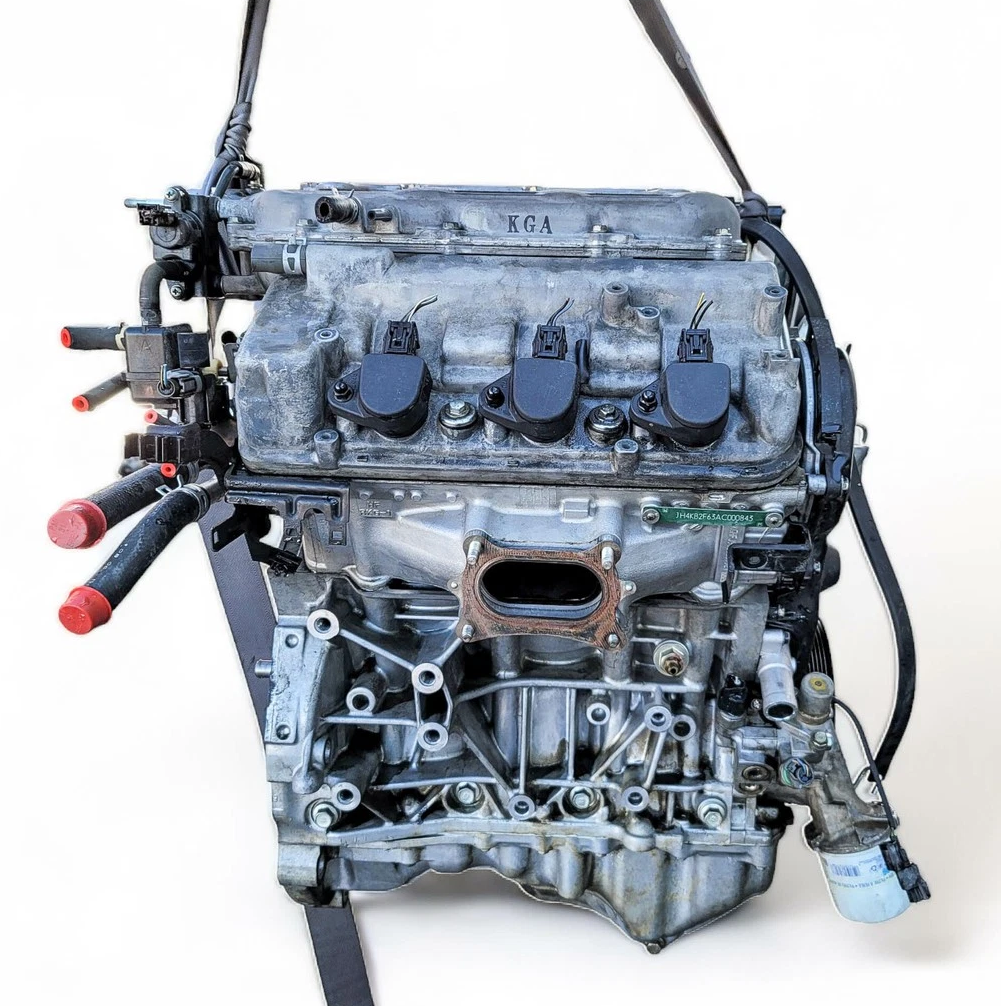
Core engineering features of the J37A2 include an aluminum alloy cylinder block and cylinder heads, contributing to its relatively light weight despite its displacement. The engine utilizes a single overhead camshaft (SOHC) valvetrain with Honda’s renowned Variable Valve Timing and Lift Electronic Control (VTEC) system, applied to the intake valves. Programmed Fuel Injection (PGM-FI) ensures precise fuel delivery, optimizing combustion efficiency and emissions. Further enhancements include a forged crankshaft, lightweight connecting rods, and a high 11.2:1 compression ratio, all designed to maximize power output and responsiveness.
This specific J37A2 engine variant saw primary deployment in several key Acura models. It powered the 2009-2014 Acura TL SH-AWD (Super Handling All-Wheel Drive), where it was instrumental in delivering the sedan’s flagship performance. Additionally, the J37A2 was utilized in the 2007-2013 Acura MDX (often designated J37A1 in the MDX, but shares core J37 characteristics; for the specific J37A2, focus remains on TL SH-AWD, and some ZDX variants) and the 2010-2013 Acura ZDX, primarily in configurations paired with Acura’s SH-AWD system, enhancing dynamic driving capabilities and traction.
Technical Specifications
| Specification | Value |
|---|---|
| Displacement (cc) | 3664 |
| Max Power (hp (kW) @ RPM) | 305 (227) @ 6300 |
| Max Torque (Nm (kg*m) @ RPM) | 370 (37.7) @ 5000 |
| Fuel Type | Premium Unleaded (91+ RON) |
| Fuel Consumption (l/100 km) | Approx. 11.2 (combined, varies by vehicle & driving conditions) |
| Engine Type | V6, SOHC VTEC |
| Compression Ratio | 11.2:1 |
| Cylinder Bore (mm) | 93 |
| Piston Stroke (mm) | 90 |
| Valvetrain | SOHC, VTEC (intake) |
| Valves per Cylinder | 4 |
| Additional Info | Aluminum alloy block and cylinder heads, Programmed Fuel Injection (PGM-FI) |
Common Problems & Reliability
- Increased Oil Consumption: The J37A2, particularly at higher mileages, can exhibit a tendency towards increased oil consumption. This is often attributed to issues with piston rings or the PCV (Positive Crankcase Ventilation) system. Regular monitoring of oil levels and timely top-ups are crucial to prevent engine damage. Addressing the root cause, such as replacing the PCV valve or, in severe cases, piston rings, can mitigate this issue.
- EGR System Clogging: The Exhaust Gas Recirculation (EGR) valve and associated passages can accumulate carbon deposits over time, leading to reduced engine performance, rough idling, or a “Check Engine” light. This issue is often exacerbated by frequent short trips or neglected maintenance. Regular inspection and cleaning of the EGR system are recommended preventive measures.
- VTEC Solenoid/Spool Valve Leaks: While the VTEC system itself is robust, the oil pressure switches and spool valve seals associated with it can degrade over time, leading to oil leaks or, less commonly, VTEC system malfunctions. Prompt attention to oil leaks and using the correct oil viscosity can help maintain the integrity of these components.
Under a regimen of diligent maintenance and proper care, the Acura J37A2 engine typically demonstrates excellent longevity. A realistic expected service life before requiring a major overhaul is well over 250,000 miles (400,000 km).
Maintenance Tips & Service Schedule
- Oil Changes: Perform oil changes every 5,000-7,500 miles (8,000-12,000 km) or according to the vehicle’s Maintenance Minder system. Use high-quality synthetic engine oil with a viscosity of 5W-20 or 0W-20, as specified by the manufacturer for the specific model year and climate. Consistent use of premium oil is vital for VTEC system health.
- Spark Plugs: Replace iridium-tipped spark plugs approximately every 105,000 miles (168,000 km). Adhering to this interval ensures optimal combustion efficiency and prevents misfires.
- Timing Belt Service: The J37A2 utilizes a timing belt, which is a critical component. Replacement is required every 105,000 miles (168,000 km) or every 7 years, whichever comes first. This service should comprehensively include the timing belt, water pump, timing belt tensioner, and idler pulleys to prevent catastrophic engine failure.
- Coolant Flush: Flush and replace the engine coolant every 5 years or 60,000-100,000 miles (96,000-160,000 km) with Honda/Acura-specific long-life coolant. This maintains cooling system efficiency and prevents corrosion.
- Valve Clearance Inspection: While not always necessary, an inspection of valve clearance is recommended at higher mileages, or if abnormal valvetrain noise is present. Consult the specific vehicle’s service manual for exact intervals.
Conclusion
The Acura J37A2 engine is a robust and powerful V6, celebrated for its smooth operation and strong performance characteristics within the Acura TL SH-AWD and other applications. For a used vehicle buyer, it represents a generally reliable choice, especially if a comprehensive service history is available. While potential issues like elevated oil consumption and EGR system carbon buildup are known, these are typically manageable with proactive maintenance and attention. When properly cared for, the J37A2 can provide many years and miles of dependable service, making it a sound investment for enthusiasts seeking a potent and refined powertrain.