
Overview & Design Features
The GMC LY7 engine, also widely recognized as the 3.6-liter High Feature V6, represents a significant milestone in modern powertrain engineering for General Motors. Introduced in the mid-2000s, this naturally aspirated V6 powerplant was developed to replace aging pushrod V6 architectures with a sophisticated, globally competitive engine. Offering a balance of refinement, power density, and emission control, the LY7 became a staple across several GM brands, particularly within mid-size and large crossover utility vehicles, sedans, and light trucks.
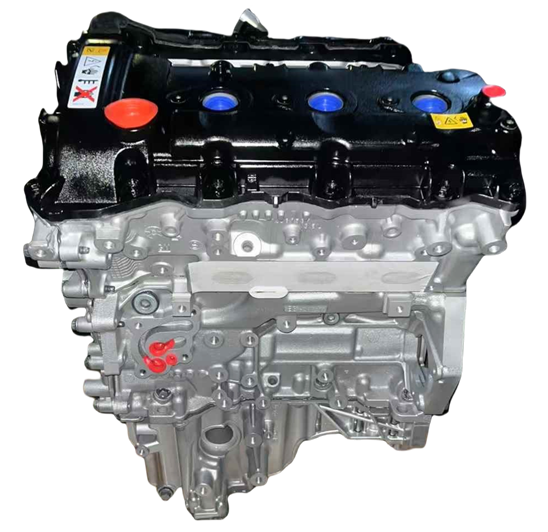
Engineered with a lightweight aluminum cylinder block and cylinder heads, the LY7 features a 60-degree V-angle configuration that minimizes secondary vibrations. It incorporates dual overhead camshafts (DOHC) operating four valves per cylinder. A hallmark of this engine is its continuously variable valve timing (VVT) on both the intake and exhaust sides, optimizing airflow across the entire rev range. Fuel delivery is handled by a sequential multi-port fuel injection system, which provides precise metering and reliable cold-start performance without the carbon buildup challenges often associated with direct-injection setups.
Within the GMC lineup, the LY7 engine was primarily utilized in the first-generation GMC Acadia from 2007 to 2008. Beyond GMC, the engine found widespread application in various GM stablemates, including the Cadillac CTS and STS, the Pontiac G8, the Saturn Outlook, and the Buick Enclave. These applications generally paired the engine with six-speed automatic transmissions to maximize fuel economy and driveability.
Technical Specifications
| Displacement (cc) | 3,564 cc (3.6 Liters) |
| Max Power (hp (kW) @ RPM) | 275 hp (205 kW) @ 6,600 RPM |
| Max Torque (Nm (kg*m) @ RPM) | 340 Nm (34.7 kg*m) @ 3,200 RPM |
| Fuel Type | Regular Unleaded Petrol (Gasoline) |
| Fuel Consumption (l/100 km) | Approx. 11.5 – 13.5 l/100 km (combined, vehicle dependent) |
| Engine Type | Naturally Aspirated 60-degree V6 |
| Compression Ratio | 10.2:1 |
| Cylinder Bore (mm) | 94.0 mm |
| Piston Stroke (mm) | 85.6 mm |
| Valvetrain | DOHC with Continuously Variable Valve Timing (VVT) |
| Valves per Cylinder | 4 (24 valves total) |
| Additional Info | Equipped with a 32-bit engine control module and coil-on-plug ignition |
Common Problems & Reliability
While the LY7 engine delivers respectable performance, it is susceptible to specific mechanical weaknesses. The most critical issue involves timing chain stretch. The engine utilizes a complex three-chain timing system that is highly sensitive to oil level and quality. Low oil levels or extended drain intervals accelerate wear on the timing chains, guides, and tensioners, leading to timing synchronization errors, check engine lights (specifically codes P0008 or P0017), and potential engine damage.
Another common concern is excessive oil consumption, often exacerbated by a restrictive positive crankcase ventilation (PCV) system. Clogged PCV ports cause pressure buildup, which forces oil into the combustion chamber and past the piston rings. This accelerated oil loss starves the timing chain system of necessary lubrication. With meticulous maintenance and proactive component replacement, a realistic expected service life for the GMC LY7 engine ranges between 150,000 and 200,000 miles (240,000 to 320,000 kilometers) before requiring a major mechanical overhaul.
Maintenance Tips & Service Schedule
To ensure longevity and mitigate the inherent risks of timing system wear, strict adherence to a professional maintenance schedule is paramount. Lubrication is the single most critical factor for this engine family.
- Oil Change Interval: Perform oil and filter changes every 5,000 miles (8,000 km) or six months. It is highly recommended to use premium full-synthetic 5W-30 engine oil meeting GM dexos standards. Relying solely on the vehicle’s onboard Oil Life Monitor is discouraged, as it often suggests intervals that are too long for this specific architecture.
- Timing Chain Inspection: Visually inspect the timing system components and check for timing-related diagnostic trouble codes at the first sign of abnormal engine noise or rattle during cold starts.
- PCV System Servicing: Inspect and clean the PCV valve and vacuum ports every 30,000 miles (48,000 km) to prevent oil sludge accumulation and crankcase overpressurization.
- Spark Plugs: Replace the spark plugs every 100,000 miles (160,000 km) with high-quality iridium plugs to maintain optimal combustion efficiency.
- Coolant Service: Flush and replace the Dex-Cool engine coolant every 5 years or 100,000 miles (160,000 km) to prevent internal corrosion and thermostat failure.
Conclusion
The GMC LY7 engine is a technically sophisticated power plant that offers a smooth power band and modern driving dynamics. However, due to its vulnerability to timing chain stretch and oil consumption, it is not a “buy-and-forget” engine. For a used vehicle buyer, the LY7 can be a viable purchase only if accompanied by an immaculate, fully documented service history proving frequent oil changes. Prospective buyers should exercise caution and conduct a pre-purchase inspection focusing heavily on the health of the timing chain and PCV systems.