
Only the second generation of the highly popular LT minibus was equipped with the 2.5-liter Volkswagen AHD engine, also known as the LT 2.5 TDI, which was manufactured between 1996 and 1999. This diesel engine was replaced by one with the ANJ index after it was upgraded to meet Euro 3 environmental standards.
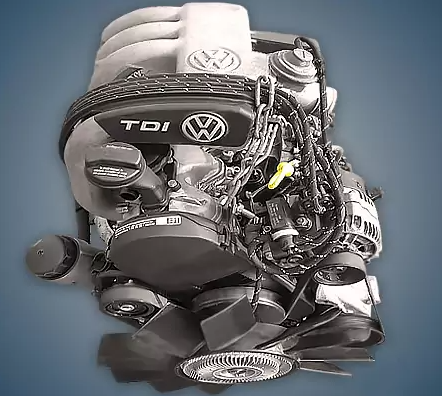
CN, AAS, AAT, 1T, AEL, AHD, BJK, and BJM are additional models in the EA381 series.
Specifications
| Production years | 1996-1999 |
| Displacement, cc | 2461 |
| Fuel system | direct injection |
| Power output, hp | 102 |
| Torque output, Nm | 250 |
| Cylinder block | cast iron R5 |
| Block head | aluminum 10v |
| Cylinder bore, mm | 81 |
| Piston stroke, mm | 95.5 |
| Compression ratio | 19.5 |
| Features | SOHC |
| Hydraulic lifters | yes |
| Timing drive | belt |
| Phase regulator | no |
| Turbocharging | BorgWarner K14 |
| Recommended engine oil | 5W-40 |
| Engine oil capacity, liter | 7.8 |
| Fuel type | diesel |
| Euro standards | EURO 2 |
| Fuel consumption, L/100 km (for Volkswagen LT2 1998) — city — highway — combined |
11.1 7.4 8.8 |
| Engine lifespan, km | ~450 000 |
The engine was installed on:
- Volkswagen LT 2 (2D) in 1996 – 1999.
Disadvantages of the VW AHD engine
This diesel engine is very resource-efficient and only causes problems at high mileage;
Fuel system issues, such as injection pumps and injectors, are frequently discussed in specialized forums.
Reducing lubrication frequently results in the replacement of hydraulic lifters or turbines; keep an eye on the timing belt’s condition because if it breaks, the valves will bend and the camshaft will break;
This dual-mass flywheel rapidly breaks the crankshaft pulley when it becomes worn.